Is Concreting a Trade? Why Treating It Like Unskilled Labour Costs You Money
Concreting is a recognised skilled trade in Australia. Learn what this means for your licence, pay rate, and ability to work on commercial sites.
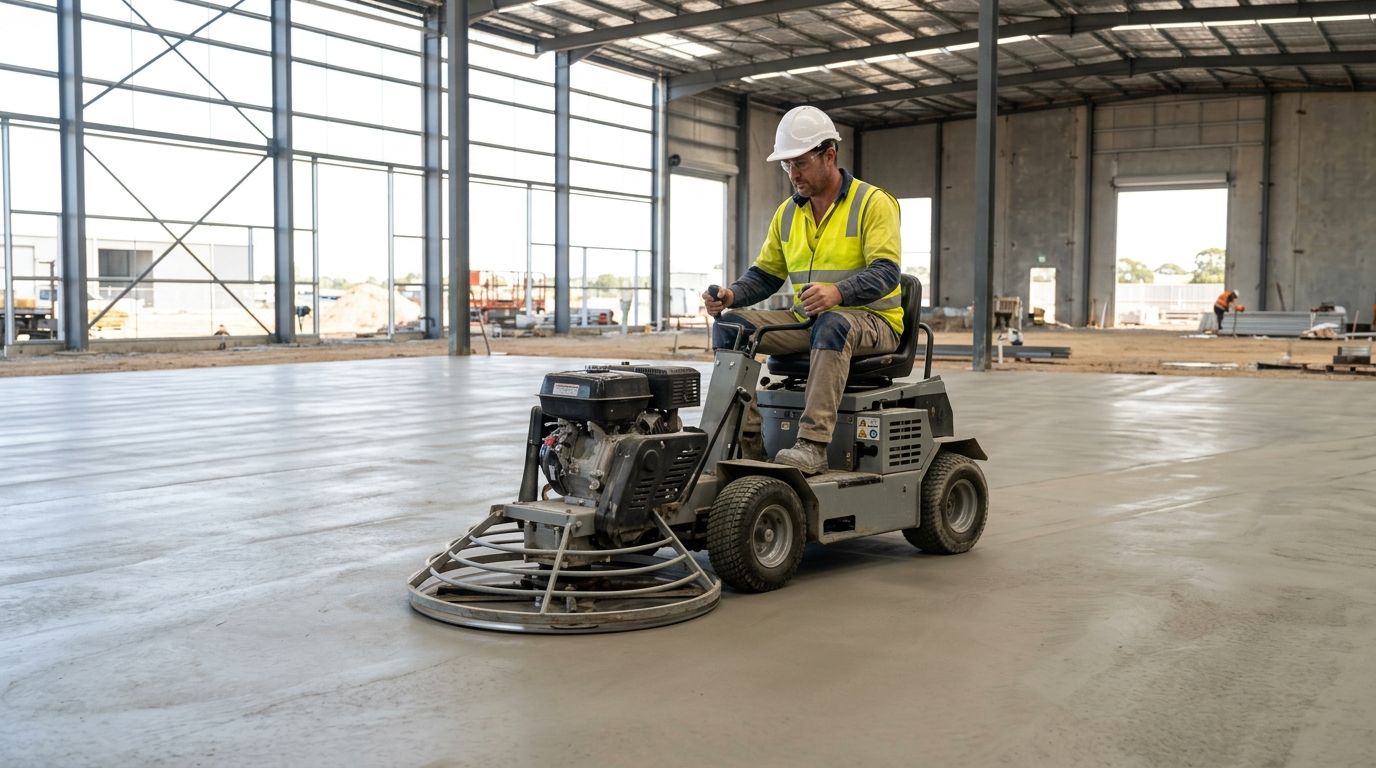
Yes, concreting is a skilled trade: what that actually means
Concreting is a trade. It has always been a trade. Australia's national training framework recognises it as one. The Certificate III in Concreting is the nationally recognised qualification defining the trade, a credential that sits within the same framework as carpentry, plumbing, and electrical work. This is not a grey area. It is not a matter of opinion. Concreting is a classified skilled occupation in Australia, and experienced concreters have every right to be recognised as such.
If you have spent years on the tools, reading structural drawings, placing reinforcement, managing pours, and finishing slabs to specification, you have been doing trade work. The question is not whether your work qualifies as a trade. The question is whether the formal system has caught up with what you already know.
What makes concreting a trade instead of labour
There is a persistent and costly misconception in the construction industry that concreting is something anyone can do: pick up a shovel, move some concrete, and you are done. This view is incorrect and expensive. It undervalues the workers who do the job and hurts the projects that suffer when technical knowledge is missing.
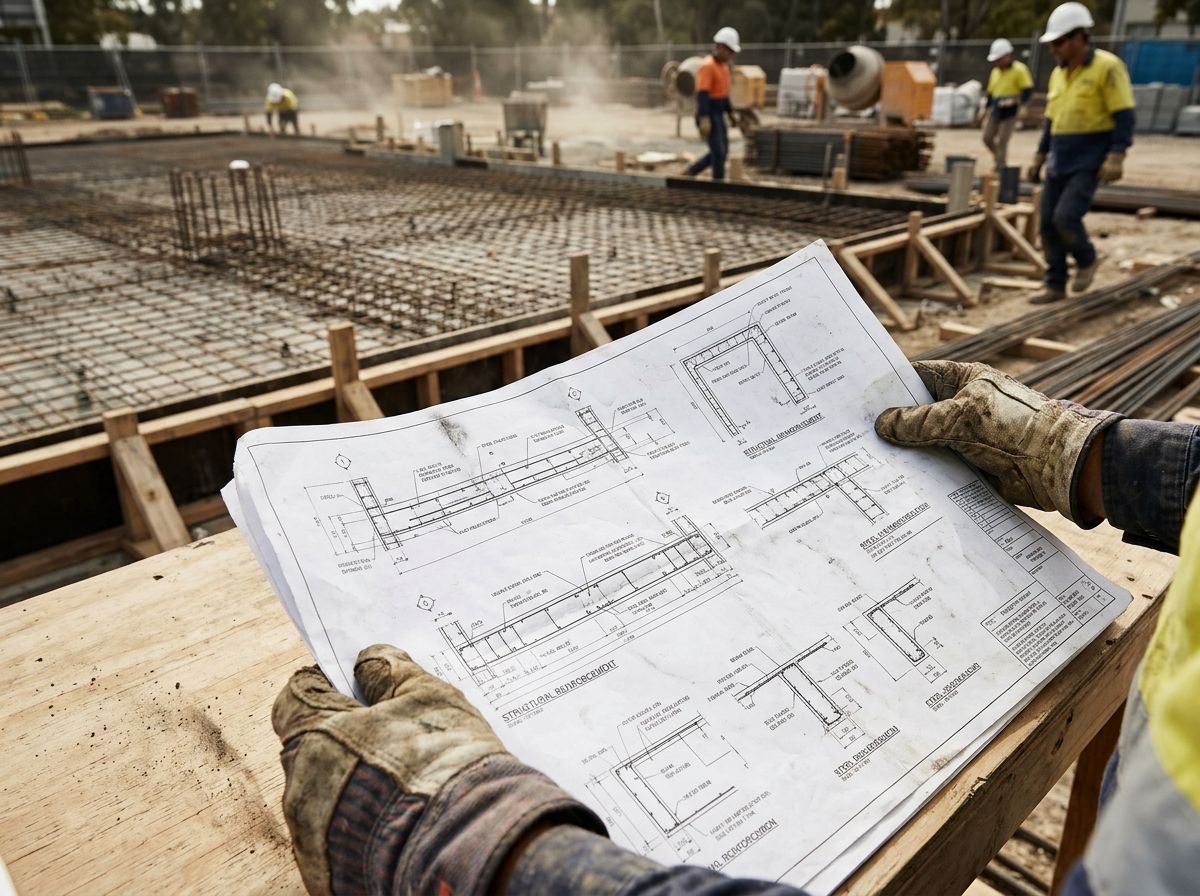
Concreting at a trade level requires technical knowledge that takes years to develop. A qualified concreter must understand mix design and know how to assess concrete quality before it leaves the truck. They must know how to read and interpret structural drawings, understand reinforcement placement requirements, and erect and dismantle formwork to specification. They must manage curing conditions, including temperature, humidity, and timing, because a pour that cures incorrectly can fail structurally. They must apply surface finishing techniques appropriate to the specification, whether that is a broom finish, a power-floated surface, or an exposed aggregate treatment.
These are trade skills, not labourer skills. The difference between a concreter who knows what they are doing and one who does not is visible in the slab, showing in the surface finish, the crack patterns, and the long-term structural performance. Builders and engineers who work with skilled concreters know this. The formal qualification system knows this. The real problem is that many experienced concreters have never had their knowledge formally recognised.
Why experienced concreters are still treated like day labour
You have poured more concrete than most engineers have ever specified. You know what a bad mix looks like before it comes off the truck. You can read a slab layout and identify a problem before the formwork goes up. Yet on paper, you may still be classified the same as someone who picked up a shovel last week.
This is not a reflection of your competence, but of a system that was not designed with experienced adult workers in mind. Many concreters who entered the trade years ago did so through on-the-job learning. They worked alongside experienced tradespeople, building skills through repetition and responsibility, rather than a formal training pathway. The qualification existed, but the pathway to it was not always clear, accessible, or affordable for workers already in the field.
The result is a large group of highly skilled concreters who carry years of genuine trade expertise but lack the qualification that commercial sites, insurance assessors, and tendering processes now require. They are doing trade work while being paid labourer rates. The gap between those two positions is widening as compliance requirements on commercial sites tighten.
The real cost of the qualification gap
The cost of working without a formal qualification is practical. It shows up in your pay rate, your access to work, and your business opportunities.
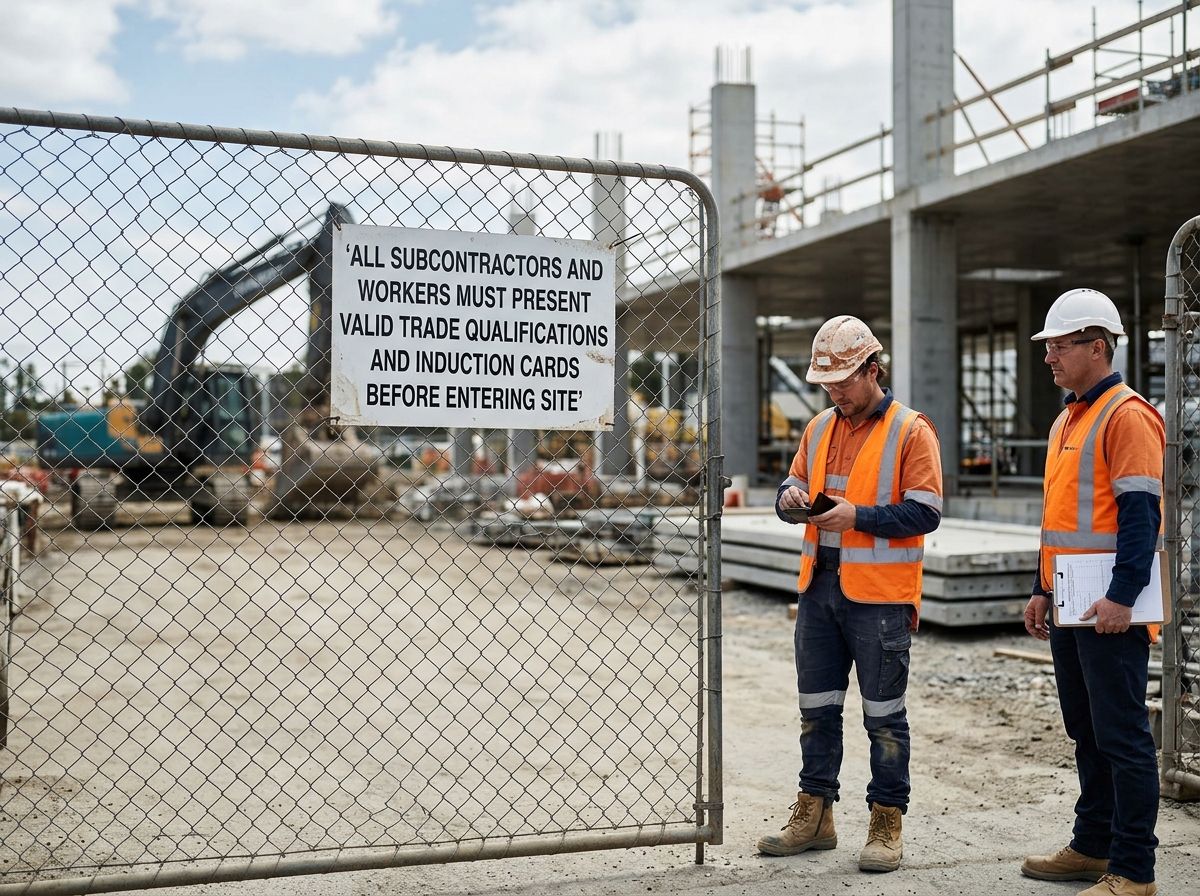
On a commercial construction site, the difference between a classified labourer and a qualified tradesperson is reflected in award pay rates under the relevant construction industry award. Tradespeople attract a higher classification and a higher hourly rate. Over a full working year, that difference compounds into a substantial income gap, meaning experienced concreters leave money on the table every week they remain unrecognised.
Beyond pay rates, the qualification gap affects the work you can access. Tier-one commercial sites increasingly require formal qualifications as part of their prequalification and site induction processes. Without the credential, you can be excluded from the sites that pay the best rates and offer the most consistent work. Government construction projects often specify qualified tradespeople in their tender requirements. If you want to tender independently as a concreting contractor, the qualification is necessary to do so.
There is also the insurance dimension. Operating without a formal qualification can affect your professional indemnity and public liability position. While this is a conversation to have with your insurer, the general rule is that a formal qualification strengthens your standing.
The financial ceiling that unlicensed tradies hit is common across construction. The same pattern plays out for glaziers, carpenters, and electricians: skilled workers doing trade work at labourer rates because their paperwork has not caught up with their capability.
Concreting in Victoria: what the licence pathway looks like
Victoria has specific requirements for construction work, and concreting is not exempt from the broader compliance framework that governs the industry. If you are operating as a concreting contractor in Victoria, running your own business, taking on jobs independently, or supervising concreting work, the qualification that establishes your professional standing is the Certificate III in Concreting.
The Certificate III in Concreting is a nationally recognised qualification under Australia's training framework. It covers the core competencies of the trade, including formwork, reinforcement, concrete placement, finishing, and curing. It is the qualification that formally defines what a concreter knows and can do.
For Victorian concreters, the relevant regulatory bodies include Consumer Affairs Victoria and the Victorian Building Authority. The specific licensing or registration requirements that apply to your situation depend on the work you perform and how you operate. What remains consistent is that the Certificate III in Concreting is the qualification supporting any formal recognition of your trade skills in this state.
If you are unsure whether a specific licence applies to your work in Victoria, check directly with Consumer Affairs Victoria or the Victorian Building Authority. Do not rely on informal advice about what is or is not required. The regulatory framework in construction has tightened, and the cost of getting it wrong has increased.
Your experience is evidence if you know how to present it
Here is what many experienced concreters do not know: you might not need to study for the Certificate III in Concreting. You may simply need to demonstrate what you already know.
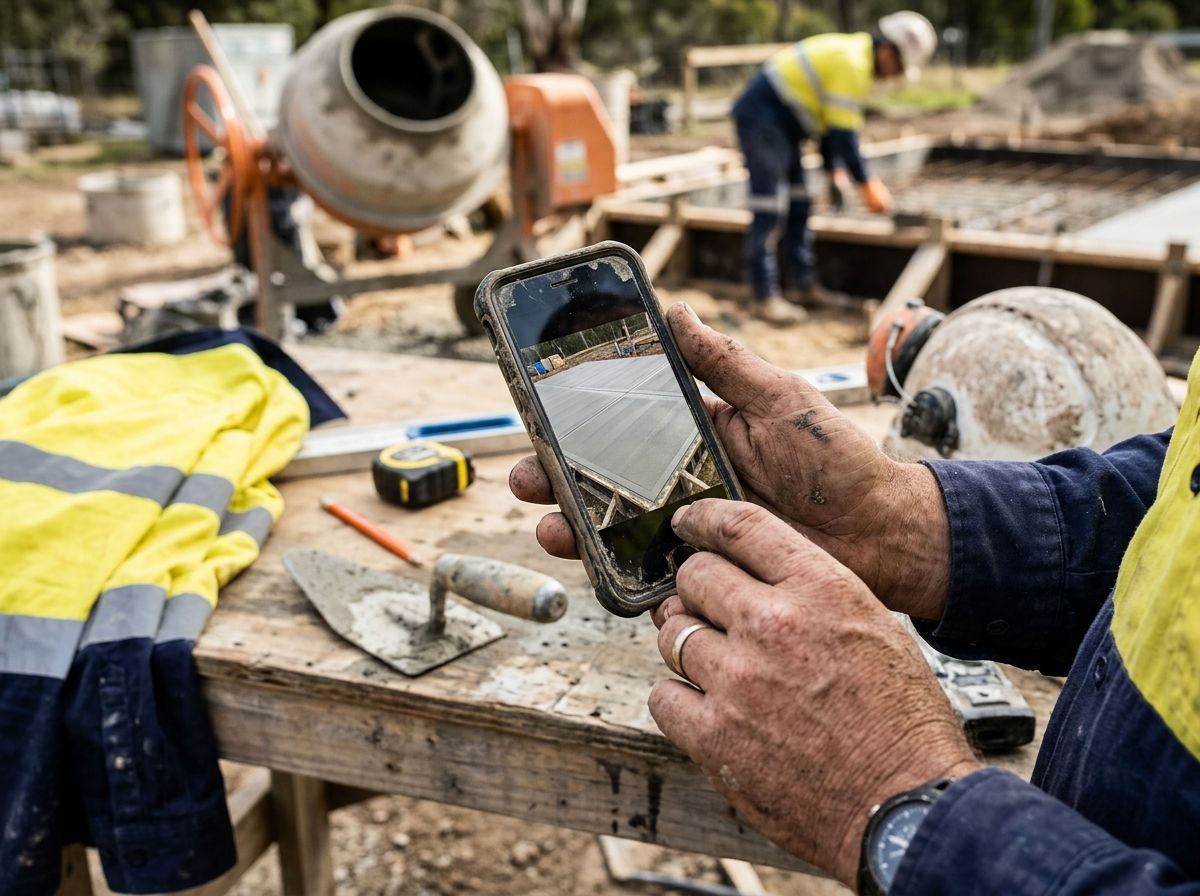
Recognition of Prior Learning (RPL) is a nationally recognised assessment pathway under Australia's qualifications framework. It does not ask you to learn what you already know, but rather to show what you have already done. An RPL assessment for a trade qualification evaluates your existing competency against the units of the qualification, using evidence drawn from your actual work history.
For a concreter, that evidence can include site photographs of pours you have managed, project records showing the scope of work you completed, references from builders or engineers who worked with you, and documentation of the concrete work you performed. The assessor's job is to determine whether your existing experience meets the standard, not to teach you the trade from scratch.
RPL is not a shortcut, but a rigorous assessment process. The assessor looks for genuine evidence of competency across the units of the qualification. If gaps are identified, additional training may be required. For an experienced concreter with years of documented site work, the evidence is often already there. It simply needs to be organised and presented in a way the formal system can assess.
What happens if you keep working without the qualification
Every year without the qualification is another year under the same ceiling. Commercial sites are getting stricter, compliance checks are more frequent, and the gap between what you earn and what you could earn continues to widen.
The direction in construction is clear: formal qualifications are becoming a baseline requirement rather than a differentiator. Tier-one contractors are tightening their prequalification processes, government projects specify qualified tradespeople, and insurance requirements are evolving. The window for an experienced concreter to operate without formal recognition and still access the best jobs is narrowing.
This is not a reason to panic, but a reason to act. The pathway exists, the qualification is nationally recognised, and the RPL assessment process is designed for experienced, capable workers who simply lack the credential that the system now demands.
The moment a site manager asks for your ticket is not the time to start thinking about this. Read what happens when skilled tradies are walked off commercial sites for not having their qualification in order.
The first step does not cost you anything
Before you make any decisions, find out where you stand.
The Free Skills Review is exactly that, a review. There is no cost and no commitment, just an honest assessment of whether your concreting experience is likely to qualify for formal recognition through RPL. You will find out how your work history aligns with the Certificate III in Concreting, what evidence you might need to gather, and what the steps forward look like for your specific situation.
You have the experience. The question is whether the formal system has recognised it yet. That is what this review is designed to determine.
The choice is yours.
Ready to Get Recognised?
Start with a free skills review to find out if RPL is right for you.