CPC60220 explained for construction managers who learned the job on-site, not in a classroom
CPC60220 is the Advanced Diploma of Building and Construction (Management). Learn what it covers and how your site experience maps directly to it.
By RPL it Australia6 min read
What CPC60220 actually is (in plain English)
You have probably seen this code on a form, a tender document, or an email from HR. CPC60220. There is rarely an explanation, just the code itself and an expectation that you will work it out.
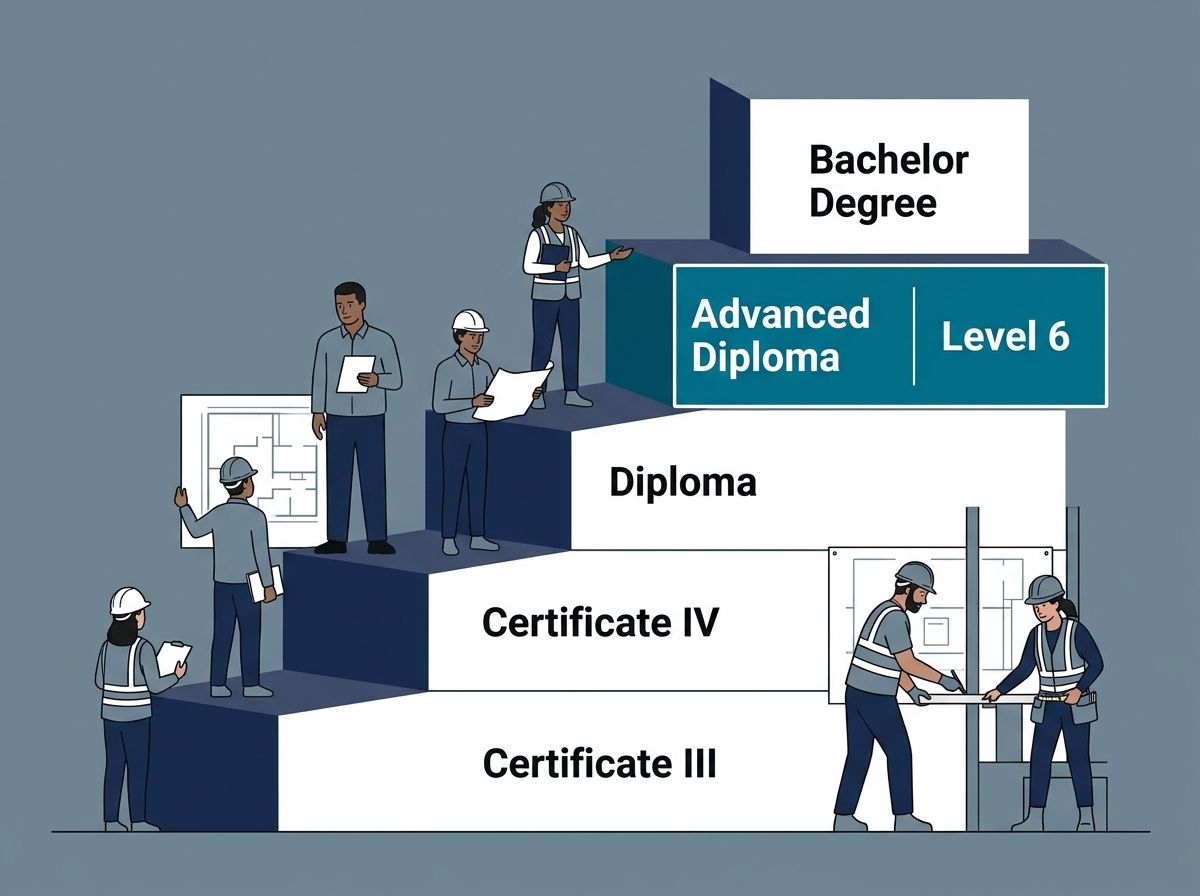
CPC60220 is the national qualification code for the Advanced Diploma of Building and Construction (Management). It sits at AQF Level 6 on the Australian Qualifications Framework, which is above a Diploma and below a Bachelor degree. In practice, this is the formal credential that recognises your ability to manage complex projects, administer contracts, oversee site operations, and lead project teams.
This is not a trade qualification or a site supervisor ticket. It is a management-level credential. If you have been managing construction projects for years, there is a strong chance the work you do daily maps directly to what this qualification requires.
The qualification is delivered by registered training organisations (RTOs) across Australia. Assessment and issuance are handled entirely by the delivering RTO, not by RPL it. Our role at RPL it is to guide you through the process of compiling and presenting your experience as evidence for that assessment.
Why you are seeing this code now
CPC60220 does not show up on your forms because someone thinks you need more training. It appears because a compliance requirement has been set, and your name is on the project list.
Advanced Diploma-level construction management qualifications are increasingly common in head contractor prequalification frameworks, government procurement processes, and employer compliance standards across Australia. When a new contract requires a qualified workforce, or when an employer audits credentials ahead of a tender, CPC60220 is typically the benchmark for management roles.
This is not a personal development goal; it is a compliance requirement. This distinction matters because the question is not whether you want to return to study, but whether your existing site experience can be formally recognised against the standard.
What the qualification actually covers: the core management domains
CPC60220 is structured around a set of competency units grouped into broad management areas. While the formal unit titles can sound academic, the underlying activities are things experienced construction managers handle every working day. Here is what each domain actually means on site.
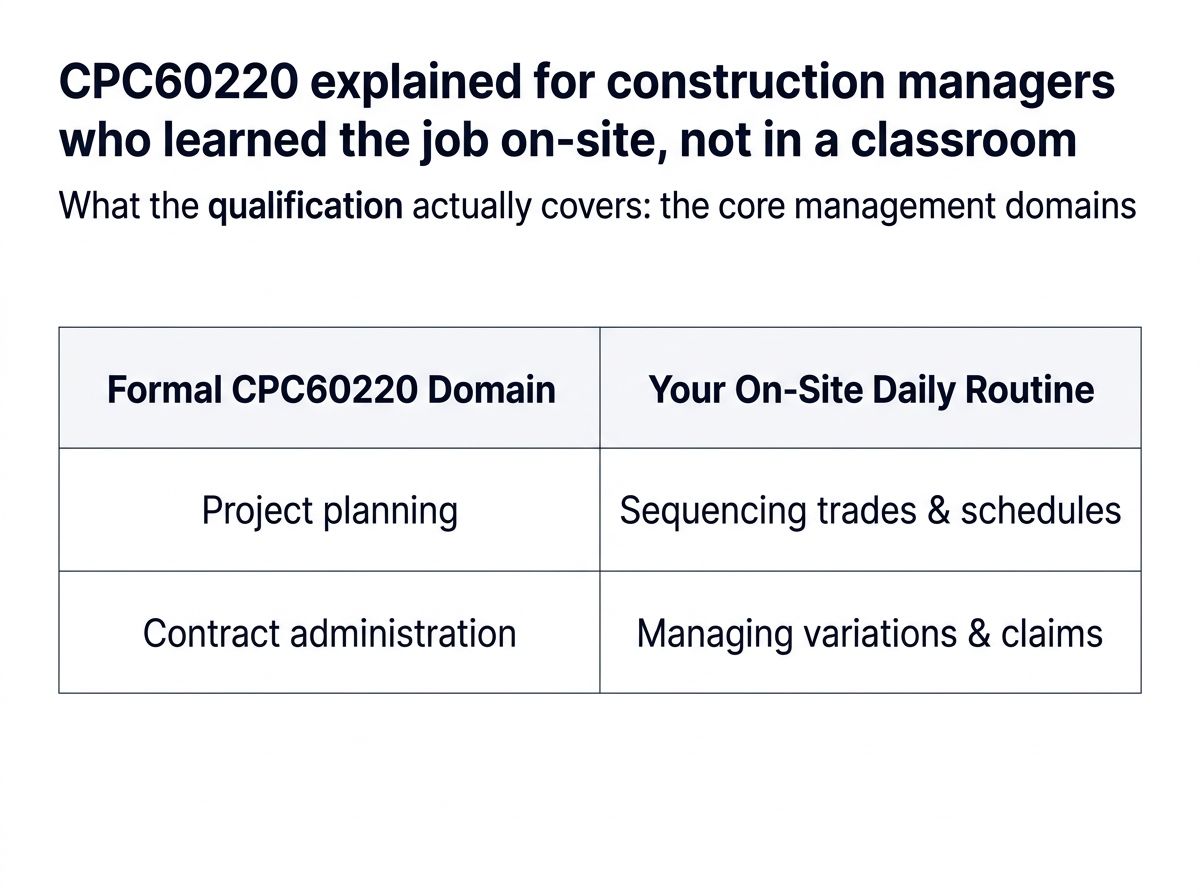
Project planning and programming. This covers the work of translating a contract into an executable project plan, which includes sequencing trades, setting milestones, managing schedule updates, and adjusting when site conditions change. If you have prepared or reviewed a construction programme, this is your territory.
Contract administration. This covers managing head contracts and subcontracts, including issuing instructions, managing variations, assessing claims, and maintaining the contractual record. If you have administered a construction contract from award to final account, this is your territory.
Site supervision and quality management. This involves overseeing construction work against specifications, drawings, and quality standards, including inspection regimes, defect management, and sign-off processes. If you have managed site quality on a commercial or civil project, this is your territory.
Work health and safety management. This covers implementing and monitoring WHS systems on site, including risk assessments, safe work method statements, incident management, and regulatory compliance. If you have held WHS responsibilities on a construction project, this is your territory.
Cost management and financial reporting. This covers tracking project costs against budget, managing cost forecasts, and reporting financial performance to stakeholders. If you have managed a project budget or prepared cost reports, this is your territory.
Stakeholder and team management. This covers coordinating project teams, subcontractors, clients, and consultants, including communication, dispute resolution, and relationship management. If you have managed a project team and dealt with clients or consultants, this is your territory.
Reading through those domains, most experienced construction managers will recognise their weekly routine. The formal qualification is not describing a different job; it describes your actual job using the technical language of the national training framework.
The self-check: does your site experience cover this?
Read through the following statements. Check off the ones that describe work you have actually done, rather than tasks you simply feel capable of doing.
- I have managed a construction project from contract award through to practical completion.
- I have prepared, reviewed, or updated a construction programme or project schedule.
- I have administered a head contract or subcontract, including managing variations and claims.
- I have overseen site operations and managed subcontractors to deliver work to specification.
- I have implemented or monitored a WHS management system on a construction site.
- I have managed a project budget, tracked costs, and reported financial performance.
- I have communicated with clients, consultants, or principal contractors on behalf of a project.
- I have managed a project team, including allocating work and resolving performance issues.
- I have prepared or reviewed project documentation, such as RFIs, site instructions, meeting minutes, and progress reports.
- I have managed the handover of a completed project, including defect rectification and close-out documentation.
If you checked most of those boxes, your experience is likely already at the CPC60220 level. The question is not whether you have the skills, but whether they are documented and whether that documentation can be presented as evidence in a formal assessment.
What RPL means for CPC60220 specifically
Recognition of Prior Learning (RPL) is the formal assessment pathway that allows experienced construction managers to have their existing skills assessed against CPC60220 without completing a full course from scratch.
RPL is not a shortcut; it is a rigorous assessment process. The difference is that the evidence you present is drawn from your actual work history, not from classroom coursework. If your experience is real and documented, the assessment process is designed to recognise it.
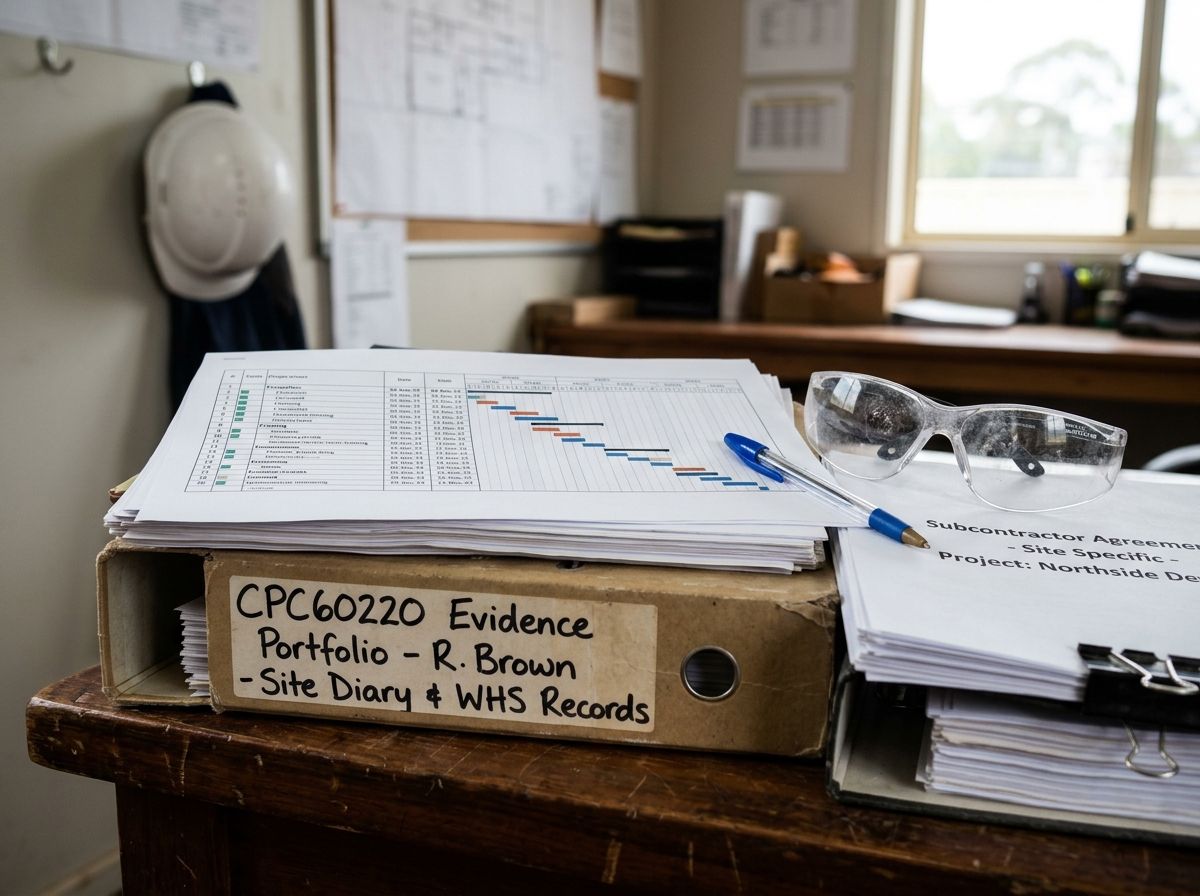
For a qualification at this level, RPL typically involves a skills review conversation, the preparation of an evidence portfolio drawn from your work history, and an assessor interview. The assessor employed by the delivering RTO evaluates whether your evidence demonstrates competency against the national standards.
It is worth being realistic about one point: gap training may be required. If your experience does not cover certain units, perhaps because your role has been focused on one type of project or a single phase of construction, the RTO may identify these gaps and provide targeted training to address them. This is a standard part of the process, not a failure. Where gap training is required, it is typically provided at no additional cost.
The assessment outcome and the qualification itself are determined by the RTO's assessor. While RPL it guides you through the process of presenting your experience, the formal credential is issued directly by the RTO.
What happens after the Free Skills Review
The Free Skills Review is the starting point and carries no obligation.
During the review, a member of the RPL it team will discuss your work history against the CPC60220 requirements. The outcome is an honest assessment of whether your experience is likely to meet the qualification standard, and whether RPL is the right pathway for your situation. If it is not, we will tell you directly.
You are not enrolling or committing to anything. You are simply finding out whether your existing experience is likely to count before you decide how to proceed.
The choice is entirely yours.
You can also explore the Advanced Diploma of Building and Construction (Management) qualification page for more detail on the CPC60220 assessment pathway.
General information only, current at the date shown. Licensing rules change, so check the current requirements with the relevant regulator before you rely on them. RPL it Australia is a student support service, not a Registered Training Organisation; qualifications are assessed and issued by our partner RTOs.