The Hidden Cost of Working Without a Glazing Certificate in Australia
Working under someone else's glazing licence costs you more than you think. Discover the financial, legal, and career price — and how your site experience already qualifies you.

You know the work. The certificate is the problem.
You have been doing this for years. Measuring up, cutting glass, fitting frames, sealing panels on commercial sites and residential jobs alike. You know the trade. You know the materials. You know what can go wrong and how to stop it. The glazing certificate is not about your competence — it never was. It is about the paperwork that formal systems require before they will recognise what you already know how to do.
For many experienced glaziers working across Australia, the gap between skill and credential is a daily reality. You show up. You do the work. But the licence on the paperwork belongs to someone else. That arrangement carries costs most people never add up until something forces them to.
This is not a lecture about compliance. It is an honest look at what working without a glazing certificate actually costs — financially, professionally, and in terms of the future you are building. And it is a look at why the solution may be closer than you think.
What it actually costs to work under someone else's name
When you work under a licensed contractor's name, a portion of the value you create goes to the licence holder — not to you. The exact amount varies depending on the arrangement, but the principle holds: the certificate holder captures margin that should be yours. You quote the job, do the work, carry the physical risk — and someone else's name is on the paperwork.
Beyond the margin, there is the matter of what you cannot do. You cannot quote directly for work that requires a licensed glazier. You cannot invoice a commercial client in your own name for licensed glazing work. You cannot build a business on your own terms. Every job you complete under someone else's licence builds their reputation, not yours.
The financial cost is real. But the opportunity cost is larger. Every year without a glazing certificate is a year of experience that the formal system refuses to count — not because the work was not done, but because it was not done under the right credential.
The compliance check you're dreading is already happening
Site compliance requirements across Australia's construction industry have tightened considerably in recent years. Major commercial projects and large residential builders increasingly require subcontractors to show formal qualifications at induction — not just a white card and a handshake. Glazing is not exempt from this.
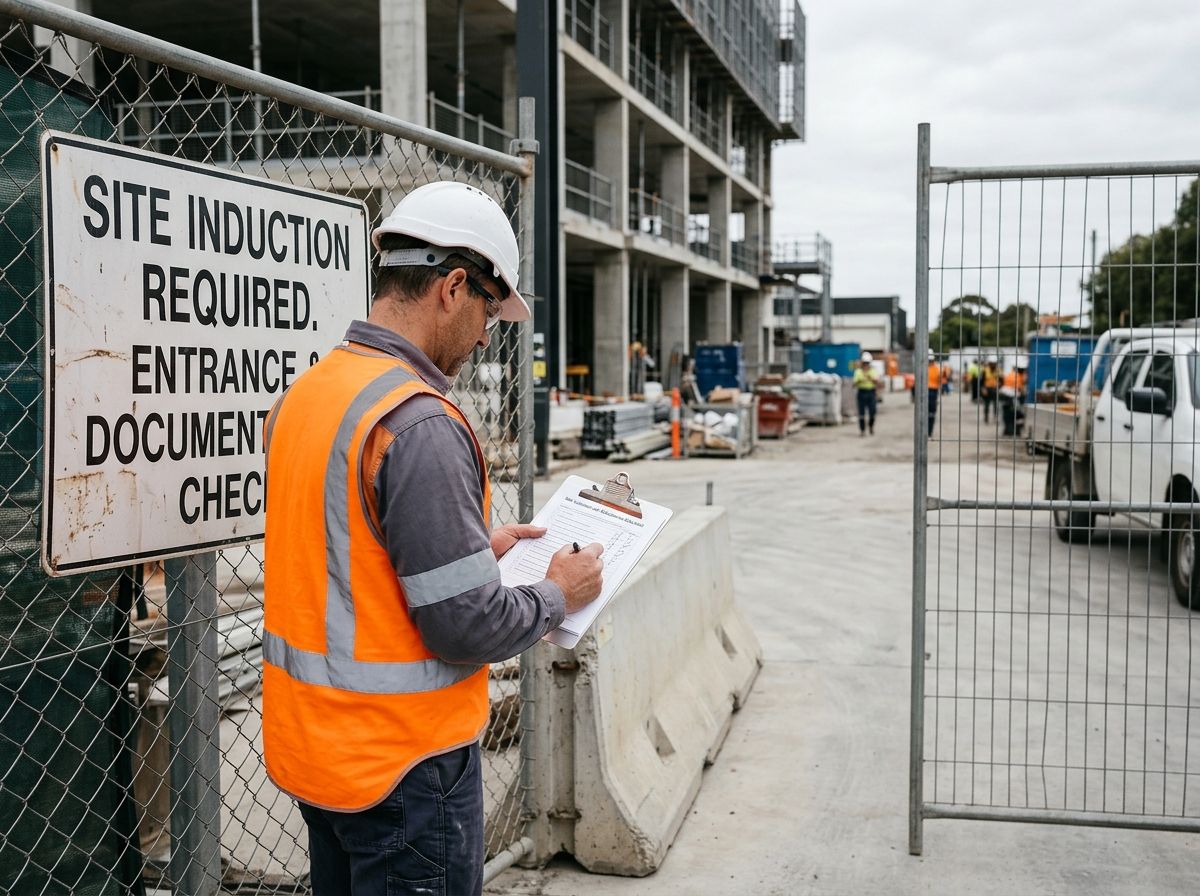
The check you have been quietly hoping to avoid is already happening on sites around the country. Site managers are asking for qualification evidence. Subcontractor agreements are including credential requirements. The informal arrangements that worked five years ago are becoming harder to sustain on tier-one projects.
Licensing requirements for glaziers vary by state and territory in Australia. If you are unsure what applies where you work, your state licensing authority — whether that is QBCC in Queensland, NSW Fair Trading, the Victorian Building Authority, or the equivalent in your state — is the right place to confirm current requirements. What is consistent across the industry is the direction: formal credentials are being asked for more often, not less.
The liability exposure nobody talks about
Working without a formal glazing qualification creates a liability exposure that most tradies do not think about until something goes wrong. If a glass panel fails, if someone is injured, if a client disputes the quality of the work — the question of whether the work was performed by a qualified glazier becomes immediately relevant.
Even if your insurance policy does not explicitly require a formal qualification, working without one may affect how a claim is assessed — particularly if the work is later found to be non-compliant with licensing requirements in your state. The absence of a glazing certificate does not just affect your ability to win work. It affects your position if something goes wrong on a job you have already completed.
This is the cost that tends to stay invisible until it is too late to do anything about it. The glazing certificate is not just a credential for getting work. It is part of the professional foundation that protects you when things do not go to plan.
The pay ceiling you cannot break without the certificate
There is a ceiling in the glazing trade that no amount of skill can break without formal qualification. Direct contracts with commercial clients. Supervisory and site management roles. The ability to run your own glazing business and quote in your own name. These are not available to glaziers working without a certificate — regardless of how good they are.
Glazing contractor licensing requirements vary by state, but across Australia, holding a formal qualification is typically a prerequisite for — or strong evidence toward — contractor licensing. Major commercial clients and builders are increasingly requiring it as a condition of engagement, even where state licensing does not mandate it directly. The market is moving in one direction.
The ceiling is not about your ability. It is about the credential that gives the formal system permission to recognise what you already do. Without the glazing certificate, you are permanently working within someone else's ceiling — not your own.
Your site work is already the evidence
Here is what the formal system does not tell you: your years of glazing work are not just experience. They are evidence. The Certificate III in Glass and Glazing (MSF30422) can be assessed through Recognition of Prior Learning — a formal pathway that evaluates what you already know and can do, rather than requiring you to repeat training you have already completed on the job.
Recognition of Prior Learning (RPL) allows experienced glaziers to have their existing skills formally assessed against the MSF30422 — without repeating training they have already done on the job. The assessment is conducted by a qualified assessor from a registered training organisation. It is rigorous. It is legitimate. And it starts with what you have already done.
The MSF30422 covers the core competencies of professional glazing work — measuring and cutting, installation, sealing, and working with different glass types and framing systems. If you have been doing this work on real sites, you have been demonstrating these competencies every day. The question is not whether you have the skills. The question is whether you have the documentation to support an assessment.
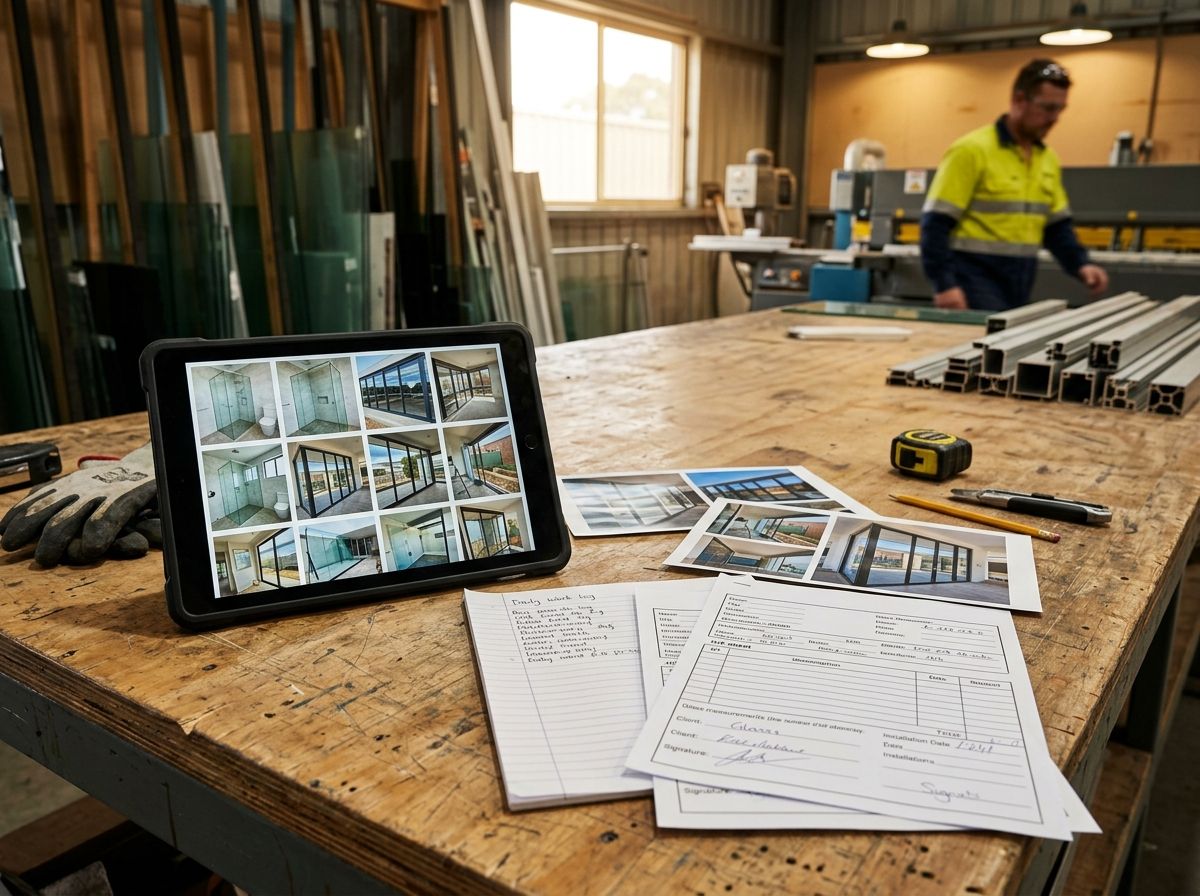
Evidence for glazing RPL typically includes site photos of completed work, employer or supervisor references, records of projects completed, and in some cases a practical demonstration or interview with an assessor. If you have been working in the trade, you likely have more of this evidence than you realise. A logbook, a portfolio of project photos, a reference from a site manager — these are the raw materials of an RPL assessment.
It is worth being honest about what RPL involves. It is a genuine assessment process, not a formality. If gaps are identified between your experience and the qualification requirements, gap training may be required — and a reputable provider will tell you that upfront. The goal is recognition that is earned and meaningful, not a credential that sidesteps the rigour the qualification deserves.
You can find out more about the Certificate III in Glass and Glazing and the RPL pathway on the qualification page.
Learn more about the Certificate III in Glass and Glazing (MSF30422) and whether your experience may support an RPL assessment.
What happens when you start the conversation
You do not need to commit to anything to find out where you stand. The first step is a Free Skills Review — a no-obligation conversation that looks at your glazing experience and gives you an honest read on whether it is likely to support an RPL pathway for the MSF30422.
If your experience aligns with the qualification requirements, you will know what the next steps look like. If gaps are identified, you will be told honestly — because the right outcome is recognition that is genuine, not enrolment in a pathway that is not right for you. Either way, you leave the conversation knowing more than you did going in.
Your skills speak. The question is whether the formal system has been given the chance to hear them. The decision is yours.
Ready to Get Recognised?
Start with a free skills review to find out if RPL is right for you.