The zero-downtime method to qualify your mechanical fitters
Qualifying your mechanical fitters does not mean losing them to TAFE. RPL ticks the compliance box without pulling your team off the tools.
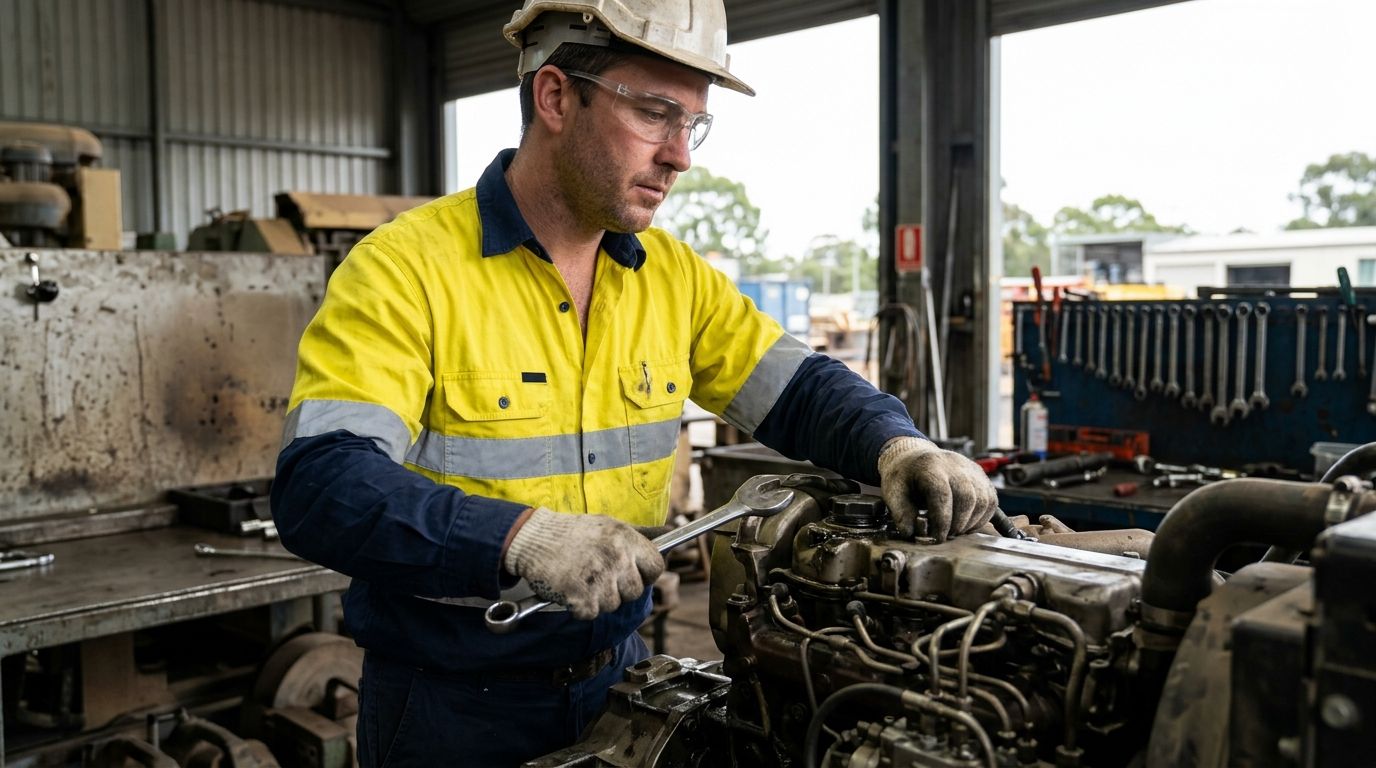
The tender is won, then the qualification clause lands
The contract is signed. The scope is agreed. Then someone in procurement sends through the compliance schedule, and buried in it is a requirement that your mechanical fitters hold a formal Certificate III in Engineering (Fixed and Mobile Plant Mechanic), qualification code MEM31419.
It happens in mining. It happens in oil and gas. It happens on government infrastructure projects and commercial maintenance contracts. Your team has done this work for years. The problem is the paperwork.
Your best fitter has been diagnosing and maintaining fixed and mobile plant since before some of the compliance officers writing these clauses were in the industry. Their skills are not in question. Their formal qualification is.
This is when most employers search for 'rpl mechanical fitter.' It is driven by urgency rather than curiosity. The question is whether a pathway exists that does not involve pulling your most experienced people off the tools for months.
There is, but it requires changing how you think about what a qualification actually means.
The default assumption: Block release or nothing
Most employers assume the only path to a formal trade qualification is traditional training. Block release, TAFE enrolment, and a structured program that takes an adult learner through the qualification unit by unit, week by week.
For a 22-year-old apprentice, that model makes sense. For an experienced mechanical fitter in their late thirties who has been maintaining heavy plant equipment for fifteen years, it is the wrong tool entirely.
The assumption is simple: qualification equals time away from the job. For a business running tight margins on a maintenance contract, time away from the job is money. It means lost productivity, project delays, and the cost of covering a skilled role with someone less experienced.
The qualification is mandatory. The downtime is not.
That distinction is the basis of Recognition of Prior Learning. It is a pathway many employers overlook when they first encounter a strict compliance requirement.
What RPL is, and why it changes the calculation
Recognition of Prior Learning (RPL) for mechanical fitters is a formal assessment pathway. A registered training organisation (RTO) evaluates whether a worker's existing skills and experience meet the competency standards of a nationally recognised qualification. For MEM31419, the Certificate III in Engineering (Fixed and Mobile Plant Mechanic), this means assessing whether your fitter's on-the-job experience demonstrates the required competencies.
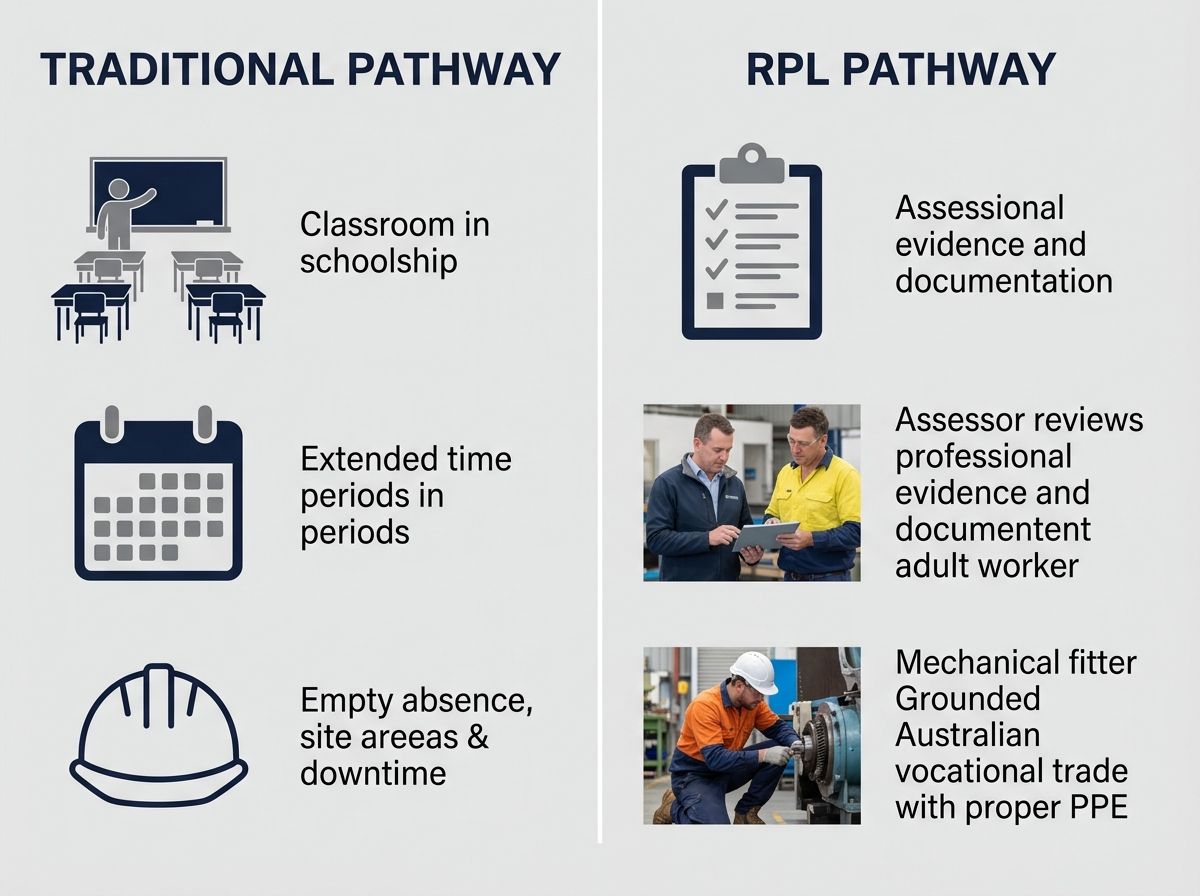
It is not a shortcut or a workaround. It is a rigorous assessment process within the Australian Qualifications Framework, which is the same framework that governs every nationally recognised qualification in this country.
The difference is what counts as evidence. In traditional training, evidence means attendance, assignments, and supervised practice in a classroom. In an RPL assessment, evidence is the work your fitter has already completed, such as maintenance records, logbooks, supervisor statements, photographs of completed work, and reports from colleagues or site managers who can verify their skills.
Instead of thinking about qualification as time in a classroom, consider it formal recognition of the work your fitter already performs. The competency exists. RPL is the process that documents it for the formal training system.
The qualification itself, MEM31419, covers competencies including plant maintenance and servicing, fault diagnosis, diesel engine systems, and workplace safety procedures. These are the same skills your experienced fitter demonstrates every day on site. The RPL assessment simply asks if they can provide evidence for them.
Qualifications are issued by the RTO conducting the assessment, not by RPL it. RPL it guides candidates and employers through the process. The assessment and the credential belong to the RTO.
What zero downtime looks like in practice
The RPL process for a mechanical fitter does not require extended absence from the job site. Evidence gathering fits around existing work schedules. The fitter continues working while the process unfolds.
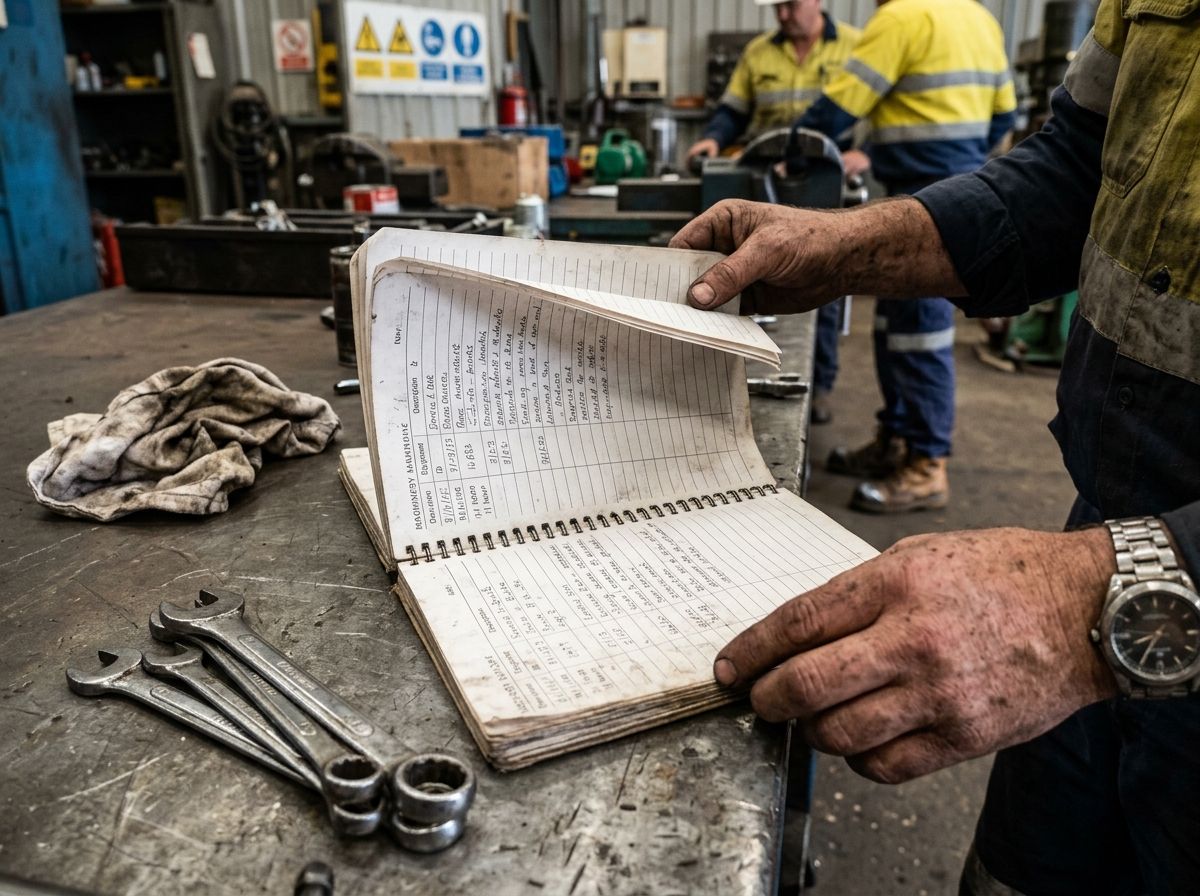
In practice, the process involves an initial skills review to assess suitability, followed by structured evidence gathering. This means compiling work records, logbooks, and supervisor statements that demonstrate competency against the MEM31419 units. An RTO assessor then reviews the evidence and may conduct an interview or workplace observation.
Indicative timeframes for RPL assessments for mechanical trade qualifications vary by individual and RTO, but the process is typically measured in weeks rather than months. The exact duration depends on how readily evidence is gathered and the RTO's assessment schedule. No specific timeframe is guaranteed, as that is the RTO's decision.
As an employer, your role in the process is practical and manageable. You may be asked to provide workplace access for an assessor visit, sign off on supervisor statements confirming your fitter's competency, and help compile existing records of work, such as maintenance logs, service records, or project documentation.
One important caveat: if the assessment identifies gaps in competency, where the fitter's experience does not yet meet the qualification standard, gap training may be required. This is part of a rigorous assessment process, not a failure. Gap training is targeted and focused on the specific units where evidence is insufficient, rather than a full re-enrolment in the course.
Your fitters have the skills. The work is the evidence. RPL is the pathway to recognition.
The business case: What qualified fitters unlock
A formally qualified workforce is more than a compliance checkbox. It is the credential that helps unlock the contracts your competitors are winning.
In mining, resources, and government infrastructure, formal trade qualifications are increasingly referenced in site access requirements, contractor compliance schedules, and procurement conditions. The specific requirements vary by project and client, so employers should verify the exact qualification requirements for any given contract. The direction is clear: regulated industries are tightening their workforce compliance expectations.
Beyond tender eligibility, there are operational risk considerations. Employing workers without formal qualifications in regulated plant maintenance roles can affect your liability exposure and insurance position. The details depend on your insurer, your industry, and the nature of the work, but the principle holds: a formally qualified workforce reduces your exposure. Employers should seek specific advice from their insurer or legal adviser.
There is also the single-point-of-failure risk. If your site compliance depends on one qualified supervisor, you are one resignation or absence away from a compliance issue. Qualifying additional fitters through RPL distributes that risk across your team.
Is your fitter a candidate? What the assessment looks for
Not every worker is suitable for RPL, and honest suitability guidance is central to how we operate. Enrolling someone in an RPL process when their experience does not yet meet the qualification standard wastes time and money for everyone involved.
A mechanical fitter who is a strong RPL candidate for MEM31419 typically has several years of hands-on experience with fixed and mobile plant equipment. This includes maintaining, servicing, and diagnosing faults across diesel engines, hydraulic systems, and related plant. They have worked in environments where their competency can be documented through existing maintenance records, supervisor references, and work that maps to the qualification's competency units.
The evidence that typically supports an MEM31419 RPL assessment includes maintenance and service logbooks, records of fault diagnosis and rectification, workplace safety documentation, references from supervisors or site managers, and in some cases, photographs or video of completed work.
The assessment looks for demonstrated competency rather than years of service. A fitter who has spent five years doing a narrow range of tasks may have less evidence to provide than one who has worked across a broader range of plant and systems in three years. The suitability review is the right place to make that determination before any commitment is made.
There may also be prerequisites or licensing requirements relevant to specific aspects of the qualification. The suitability review will identify these.
The next step: A free skills review, no commitment required
If you are managing a workforce compliance requirement and you are not yet sure whether RPL is the right pathway for your fitters, the Free Skills Review is the practical first step.
It is not an enrolment and it is not a commitment. It is an honest assessment of whether your fitter's experience is likely to meet the competency standards for MEM31419 before you invest time or money in the process.
The decision is yours. If you want to know whether your mechanical fitters are candidates for RPL, the Free Skills Review is where that conversation starts.
Ready to Get Recognised?
Start with a free skills review to find out if RPL is right for you.