The hidden cost of working without your Certificate III in Engineering - Mechanical Trade
Skilled mechanical tradespeople do the same work as qualified fitters for less pay. Learn what working without the MEM30219 costs you.
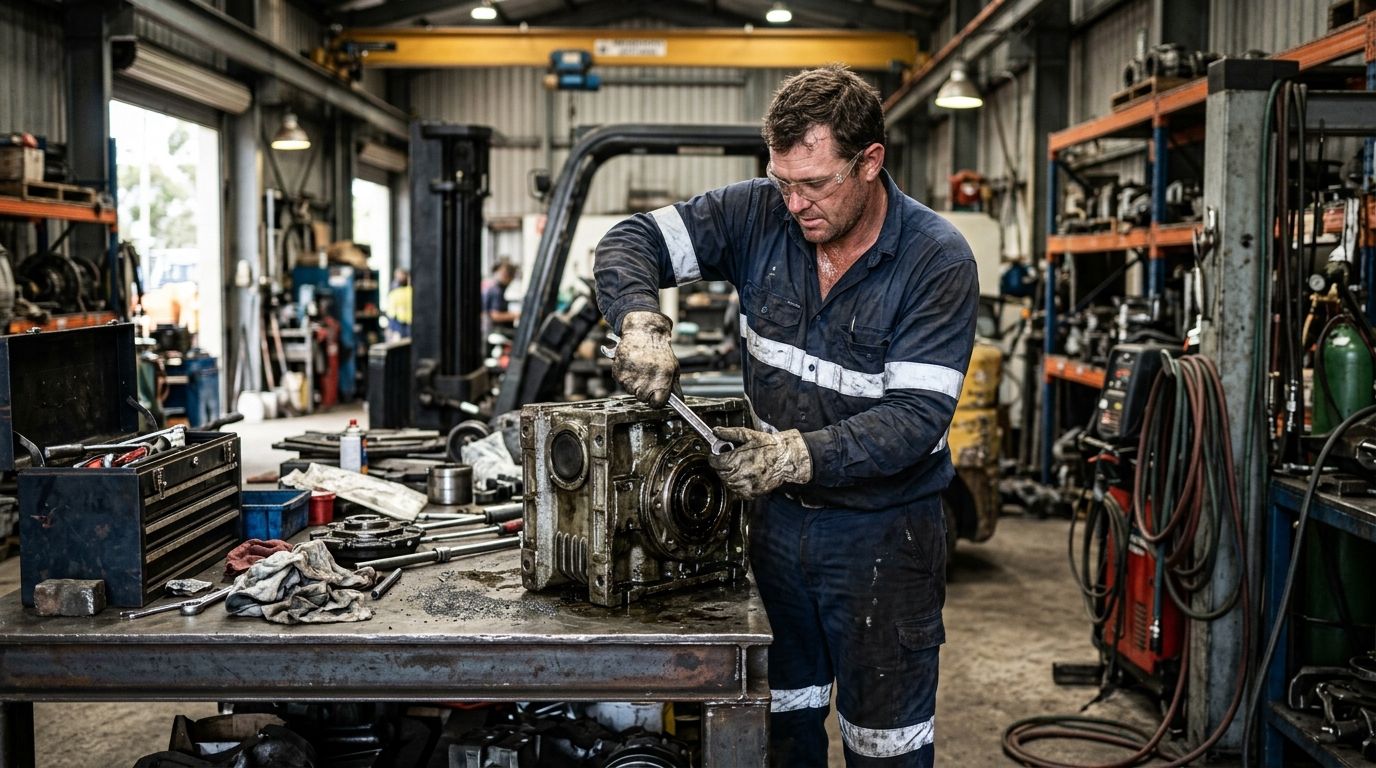
You are doing the work. You are just not getting paid for it.
You have the experience. Years of it on the tools. You can strip a gearbox, align a pump, read a hydraulic schematic, and diagnose a mechanical fault before the apprentice has found the right spanner. Indeed, you know this trade inside and out.
Yet on paper, you and a colleague with the same years on the tools but a formal qualification are not considered the same. They are classified differently. They can sign off on work you cannot, and tender for contracts you are excluded from. In many workplaces, they earn more — for doing the same job.
That is not a skills gap. It is a recognition gap. And it costs you money in every single pay cycle, month after month.
The Certificate III in Engineering – Mechanical Trade (MEM30219) is the nationally recognised qualification that closes that gap. This article covers what working without it is costing you, and what experienced mechanical tradespeople can do about it.
What the MEM30219 is and why it matters
The Certificate III in Engineering – Mechanical Trade, qualification code MEM30219, is the nationally recognised qualification for mechanical tradespeople in Australia. It covers the core competency areas that experienced fitters, maintenance workers, and plant mechanics work within every day: mechanical systems maintenance, fitting and assembly, precision measurement, and the servicing of hydraulic and pneumatic systems.
It is the qualification that site managers, principal contractors, and industrial employers check. It is the credential that determines pay classification under relevant modern awards and enterprise agreements. Without it, an experienced worker is, in the formal system, invisible — regardless of what they can actually do.
If you want to understand the qualification in detail before reading further, the Certificate III in Engineering – Mechanical Trade (MEM30219) product page sets out what the qualification covers and how the RPL pathway works.
The MEM30219 is not a theoretical qualification. It maps directly to the practical work that experienced mechanical tradespeople perform. That is why the recognition gap is frustrating — and why it is so straightforward to fix.
The pay ceiling is real, and it is getting harder to break through than ever before.
Australian modern awards and enterprise agreements in manufacturing, mining, and industrial maintenance structure pay grades around formal trade qualifications. A worker classified as a tradesperson with a Certificate III sits at a different pay point than one classified without it — even when the tasks they perform are identical.
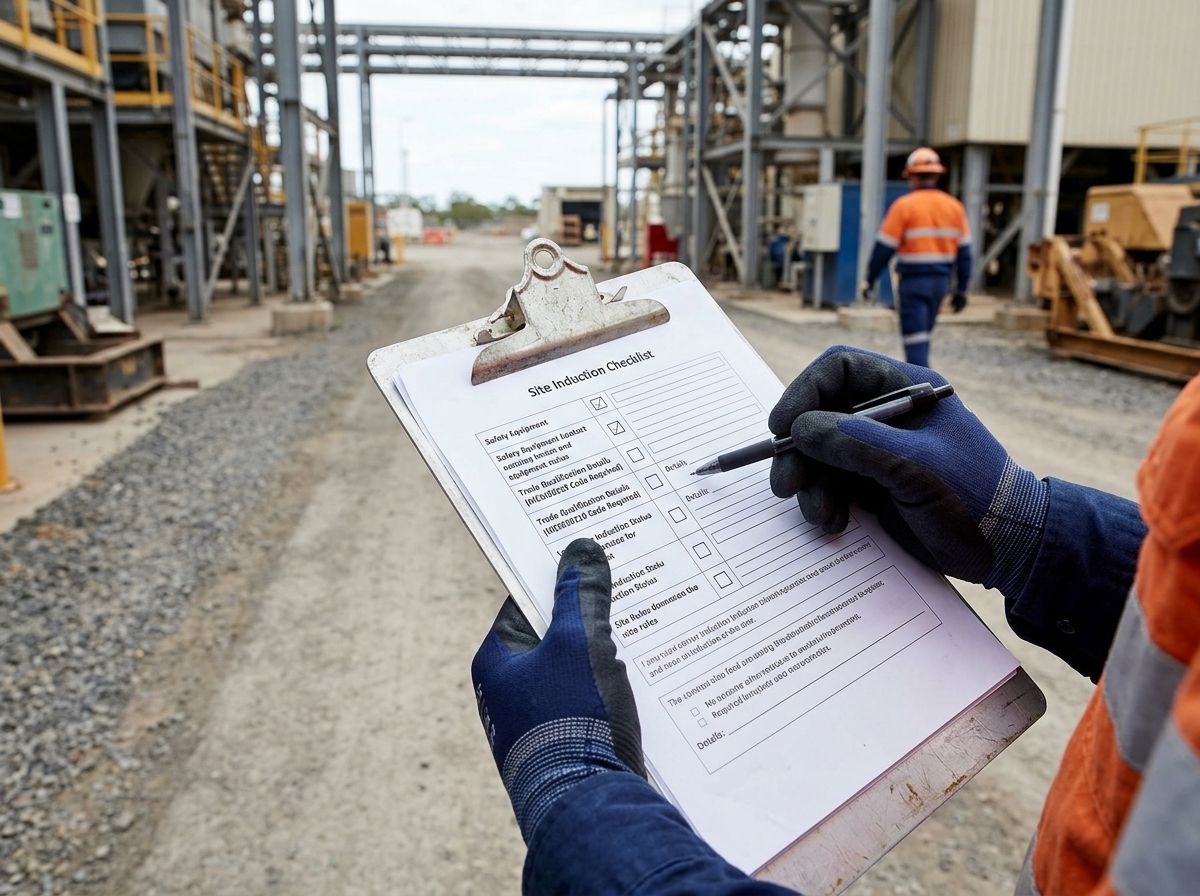
That structural link between qualifications and pay classification is not new. What is changing is the compliance environment around it.
Industrial and manufacturing sites across Australia are tightening their prequalification requirements. Principal contractors in mining, oil and gas, utilities, and heavy manufacturing increasingly require formal trade qualifications as a condition of engagement — not just for safety reasons, but for insurance, liability, and tendering purposes. The informal arrangement that once worked — where a skilled but unqualified fitter could get on site on the strength of their reputation — is becoming harder to sustain.
The Work Health and Safety Act 2011 framework, which applies across most Australian jurisdictions, places clear obligations on principal contractors to verify the competency of workers engaged on their sites. Formal qualifications are the clearest way that competency is demonstrated. As compliance expectations rise, the absence of a formal credential becomes a visible problem.
This pattern is not unique to mechanical trades. Experienced engineering practitioners across multiple disciplines find that skills alone are no longer enough — as explored in our piece on how experienced engineering practitioners are losing work to better paperwork.
Five years ago, your personal reputation may have been enough. Today, the site induction checklist has a box for your qualification code.
Working under someone else's licence: the hidden cost to your skills
Many experienced mechanical tradespeople work in an arrangement where they perform the technical work while a qualified colleague or employer holds the formal credential. The work gets done. The client is satisfied. But the arrangement comes at a cost that is easy to overlook until you add it up.
You do the work. Someone else signs off. Someone else holds the margin that comes with being the qualified party. You cannot tender independently or take on your own contracts. You are, in practical terms, working for someone else's credential as much as for your own wage.
The legal requirements for mechanical trade work vary by jurisdiction and by the specific type of work involved. Licensing obligations differ across states and territories, and the supervision provisions that apply to unqualified workers depend on the nature of the work and the regulatory framework in your state. If you are uncertain about your specific situation, your state licensing authority is the right place to check.
What is consistent across jurisdictions is the financial and career cost of the arrangement. The unqualified tradesperson in this situation is not building toward anything. They are not accumulating credentials or increasing their options. They are doing skilled work at a discount — and the discount compounds over time.
Your years on the tools are evidence, not a starting point
Recognition of Prior Learning (RPL) is the formal process by which an experienced mechanical tradesperson's existing skills, knowledge, and work history are assessed against the MEM30219 competency standards. It is a pathway established under the Australian Qualifications Framework (AQF) and delivered through registered training organisations (RTOs).
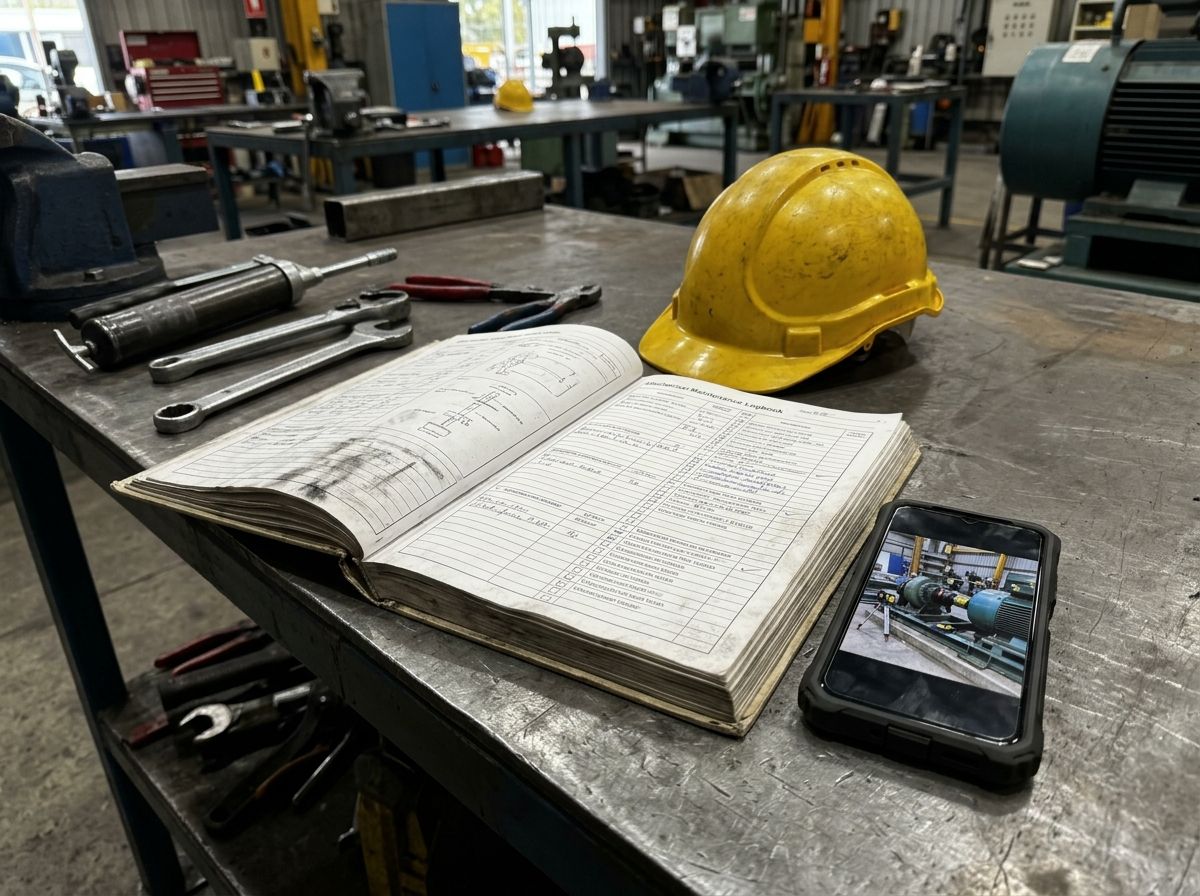
RPL does not require starting over. It does not require sitting in a classroom with apprentices or repeating tasks you have been performing for years. What it requires is demonstrating — through structured evidence — that you already meet the competency standards the qualification represents.
The types of evidence that typically support an RPL application include direct evidence such as work samples, photographs of completed work, and maintenance logbooks; indirect evidence such as employer references, supervisor statements, and third-party verification of your work history; and supplementary evidence such as records of professional development, safety training, and relevant industry experience. The specific evidence requirements depend on the units of competency being assessed and the RTO conducting the assessment.
It is important to be clear about what RPL is and is not. It is a rigorous assessment pathway — not a rubber stamp. A qualified assessor from the delivering RTO evaluates your evidence against the national competency standards. If gaps are identified during the assessment process, gap training is provided. The qualification is nationally recognised because the assessment is genuine.
But if you have been working as a mechanical fitter for years — maintaining plant equipment, fitting and aligning mechanical components, troubleshooting hydraulic and pneumatic systems — your existing work history is the foundation of an RPL application. The assessment evaluates what you already know and can do — not what you still need to learn.
What happens if you keep working without it
The cost of inaction is not a single event. It accumulates month after month.
Every pay cycle without the MEM30219 is another pay cycle at a lower classification than your skills warrant. Every tender you cannot submit independently is a contract that goes to someone with the same capability but the right credential. Every year the compliance environment tightens is a year the informal arrangements that have worked until now become harder to sustain.
The qualification gap does not close on its own. The compliance environment in Australian industrial sectors is not moving toward less scrutiny of formal qualifications — it is moving toward more. The question is not whether the credential matters. It is how long you are prepared to absorb the cost of not having it.
The experience of being walked off a site or losing access to work because of a missing credential is not hypothetical for many skilled tradespeople. The real cost of working without your ticket is worth understanding before it becomes your situation.
The final decision is yours. But the cost of waiting is not zero.
The first step in this process does not cost you anything.
Before committing to any process, the right question is whether your background is actually a strong match for the MEM30219 RPL pathway. Not every applicant is — and enrolling someone who is not a good fit wastes their time and money.
A Free Skills Review is an honest assessment of suitability. It is free. There is no obligation to proceed. It is not a sales call — it is a genuine look at whether your experience aligns with the competency standards the qualification requires.
If the match is strong, you will understand what the pathway looks like and what evidence you would need to gather. If there are gaps, you will know that too — before you have committed to anything.
Your skills are real. Your experience is real. The question is whether the formal record reflects what you already know how to do. A Free Skills Review is where that conversation starts.
Frequently asked questions
What is the Certificate III in Engineering - Mechanical Trade?
The Certificate III in Engineering – Mechanical Trade (MEM30219) is the nationally recognised qualification for mechanical tradespeople in Australia. It covers competency areas including mechanical systems maintenance, fitting and assembly, precision measurement, and hydraulic and pneumatic systems. It is the credential that determines trade classification, pay grade, and site access eligibility for mechanical workers across manufacturing, mining, industrial maintenance, and related sectors.
Who needs the MEM30219?
The MEM30219 is relevant to mechanical fitters, maintenance workers, plant mechanics, and other mechanical tradespeople who perform trade-level work in industrial and manufacturing environments. It is increasingly required as a condition of engagement by principal contractors and industrial employers, and it determines pay classification under relevant modern awards and enterprise agreements. Workers performing mechanical trade work without this qualification may face restrictions on the work they can sign off on, the contracts they can tender for, and the sites they can access.
What is Recognition of Prior Learning (RPL)?
Recognition of Prior Learning (RPL) is a formal assessment pathway under the Australian Qualifications Framework (AQF) that evaluates an individual's existing skills, knowledge, and work history against the competency standards of a qualification. For the MEM30219, RPL allows experienced mechanical tradespeople to have their existing capabilities assessed — rather than completing a full apprenticeship or training program from the beginning. The assessment is conducted by a qualified assessor from a registered training organisation (RTO), which also issues the qualification. RPL is a rigorous assessment process, not a shortcut.
What evidence is needed for an MEM30219 RPL assessment?
RPL evidence typically falls into three categories: direct evidence (work samples, photographs of completed work, maintenance logbooks, records of tasks performed), indirect evidence (employer references, supervisor statements, third-party verification of work history), and supplementary evidence (professional development records, safety training certificates, industry experience documentation). The specific evidence requirements depend on the units of competency being assessed and the RTO conducting the assessment. If gaps are identified, gap training is provided as part of the process.
What is a Free Skills Review?
A Free Skills Review is an initial, no-obligation assessment of whether your background and experience are a strong match for the MEM30219 RPL pathway. It is free and carries no commitment to proceed. The purpose is honest suitability guidance — to help you understand whether your experience aligns with the competency standards before you commit to any process. If the match is strong, you will understand what the pathway involves. If there are gaps, you will know that too.
Ready to Get Recognised?
Start with a free skills review to find out if RPL is right for you.