The Squeeze on Tradies: Why a Cert 2 Air Conditioning QLD is Becoming Non-Negotiable
Queensland HVAC tradies face tightening compliance rules. Why the Cert 2 Air Conditioning is now required — and how experienced installers get it through RPL.
By RPL it Australia8 min read
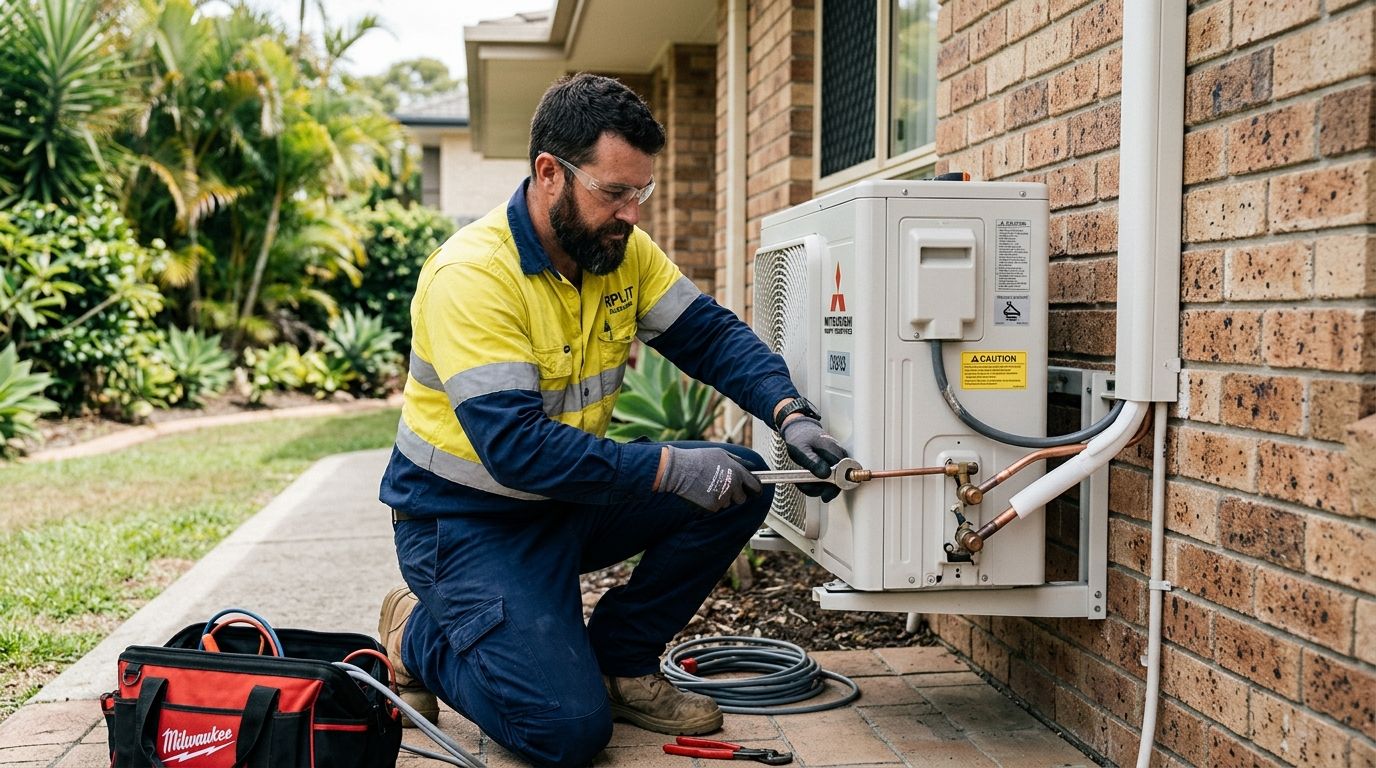
The job site has changed — even if the work has not
You have been installing split systems for years. The work is the same. The tools are the same. The units go up the same way they always have. But somewhere along the line, the paperwork around the job changed and now clients or principal contractors are asking to see your certificate.
It is happening across Queensland. Experienced HVAC workers who have been commissioning units, handling refrigerants, and wiring split systems safely are being told they need a formal qualification to keep doing the work they already know. The frustration is real, but the requirement is also real, and it is not going away.
This article is for the tradie who already knows the situation because they are living it. It identifies what is driving the compliance squeeze, explains what the qualification actually covers, and shows how experienced installers are getting it done without stopping work.
Why the Cert 2 Air Conditioning is now showing up everywhere in QLD
The qualification in question is the Certificate II in Split Air Conditioning and Heat Pump Systems (UEE20120). It is the recognised training credential for split system installation and commissioning work, and it sits at the centre of two overlapping compliance requirements that are tightening across Queensland.
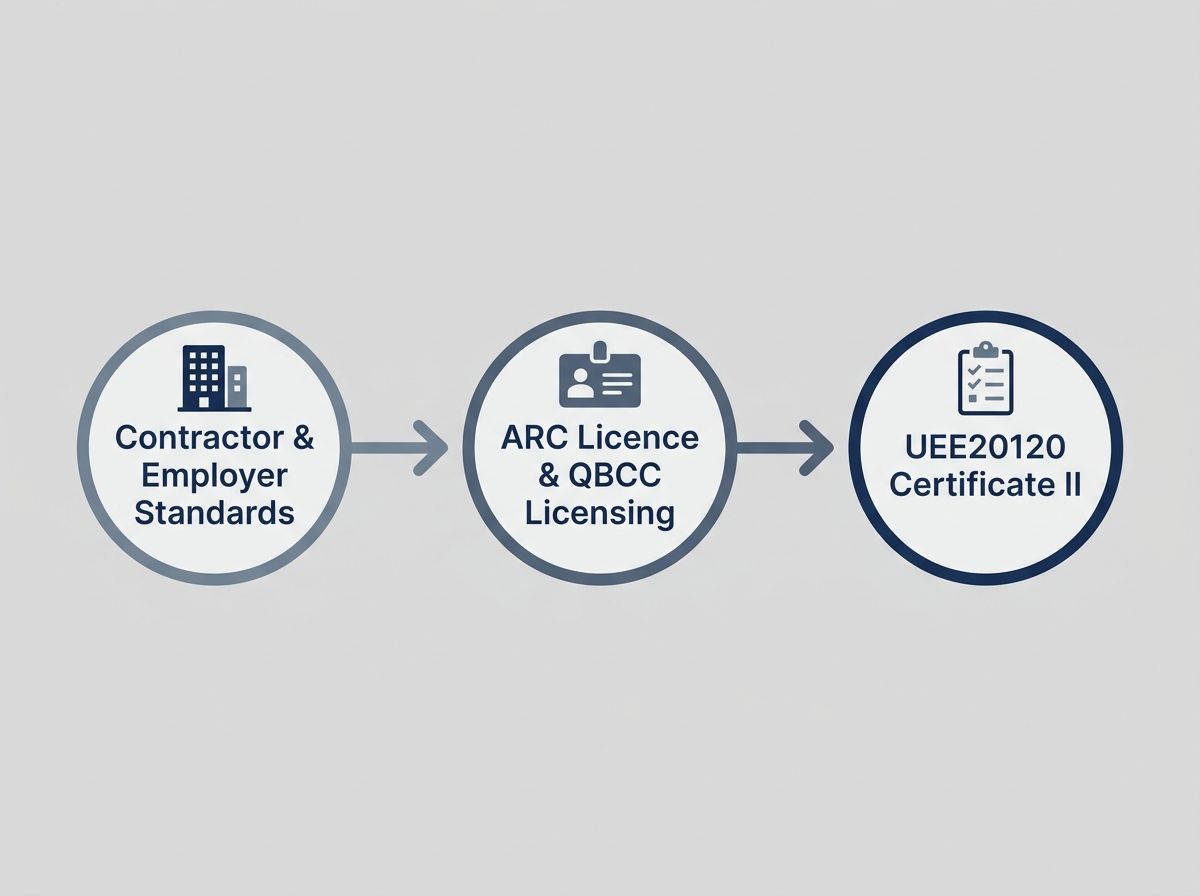
The first is refrigerant handling. Anyone working with fluorocarbon refrigerants in Australia — which includes the refrigerants used in virtually every residential and light commercial split system — is required to hold an ARCtick Refrigerant Handling Licence issued by the Australian Refrigeration Council. Completing UEE20120 is the training pathway that satisfies the requirements to apply for this restricted licence.
The national qualification register confirms that UEE20120 covers the competencies required to install, commission, and decommission single head split systems up to 18 kW, and that it meets the training component for a national restricted Refrigerant Handling Licence.
The second driver is contractor licensing. In Queensland, the QBCC (Queensland Building and Construction Commission) administers licensing for building and construction work, including mechanical services. The QBCC's technical qualifications framework specifies the qualifications required for various licence classes. For mechanical services work involving air conditioning and refrigeration, the framework references specific UEE qualifications as the acceptable credential base.
The QBCC's technical qualifications for licensing document sets out the acceptable qualifications for mechanical services licences in Queensland, including contractor and nominee supervisor categories.
Beyond the formal licensing framework, the compliance pressure is also coming from employers and main contractors. Commercial construction contracts increasingly specify that subcontractors must hold relevant qualifications. Insurance requirements are tightening. Site inductions now include qualification checks that were not standard practice a few years ago. The certificate is showing up everywhere because the regulatory environment around the work has changed.
The qualification and licensing framework for HVAC work in Queensland involves multiple layers: the national training qualification (UEE20120), the ARC refrigerant handling licence, and the QBCC contractor licensing framework. These are related but distinct requirements. The specific licence category that applies to your work will depend on the scope and value of the jobs you do. If you are unsure which requirements apply to your situation, the QBCC licensing team can provide definitive guidance for your specific circumstances.
You have been installing split systems for years. The system just caught up.
Here is the part that stings: you already know how to do this work. You have been doing it. The compliance requirement is not a reflection of your competence. It is a formal system catching up to work that has been done well for years without the paperwork to match.
That frustration is legitimate. Being told you need a certificate for work you have been doing competently, sometimes for a decade or more, is frustrating. The system values qualification paperwork over demonstrated ability. That is the reality.
But here is the practical reframe: the Certificate II in Split Air Conditioning and Heat Pump Systems is not a training program. It is a recognition mechanism. For experienced installers, the pathway is not to go back to school. It is to have your existing competency formally assessed.
The certificate is not asking you to learn split systems. It is asking you to demonstrate that you already know them.
What the Cert 2 Air Conditioning actually covers (and what it doesn't)
UEE20120, the Certificate II in Split Air Conditioning and Heat Pump Systems, is specifically scoped to split system air conditioning and heat pump installation, commissioning, and decommissioning. It covers single head split systems up to 18 kW.
For experienced split system installers, the scope of this qualification maps directly to work they are already doing. The units cover the practical competencies of the job: safe handling of refrigerants, installation and commissioning procedures, fault identification, and decommissioning. If you have been doing this work, you have been performing these competencies.
What UEE20120 does not cover is the full scope of refrigeration and air conditioning trade work. That is a higher-level qualification, the Certificate III in Air Conditioning and Refrigeration, which covers a broader range of systems and is the qualification referenced in the QBCC framework for contractor licensing in mechanical services. If your work extends beyond single head split systems into commercial refrigeration, ducted systems, or broader HVAC work, a different qualification pathway may be more appropriate for your situation.
For the tradie whose work is primarily residential and light commercial split system installation, which describes a significant portion of the Queensland HVAC workforce, UEE20120 is the qualification that matches the work.
How experienced HVAC workers are getting the cert without stopping work
The short answer to the question every experienced installer is actually asking: yes, you can pursue this qualification without stopping work. The mechanism is Recognition of Prior Learning (RPL).
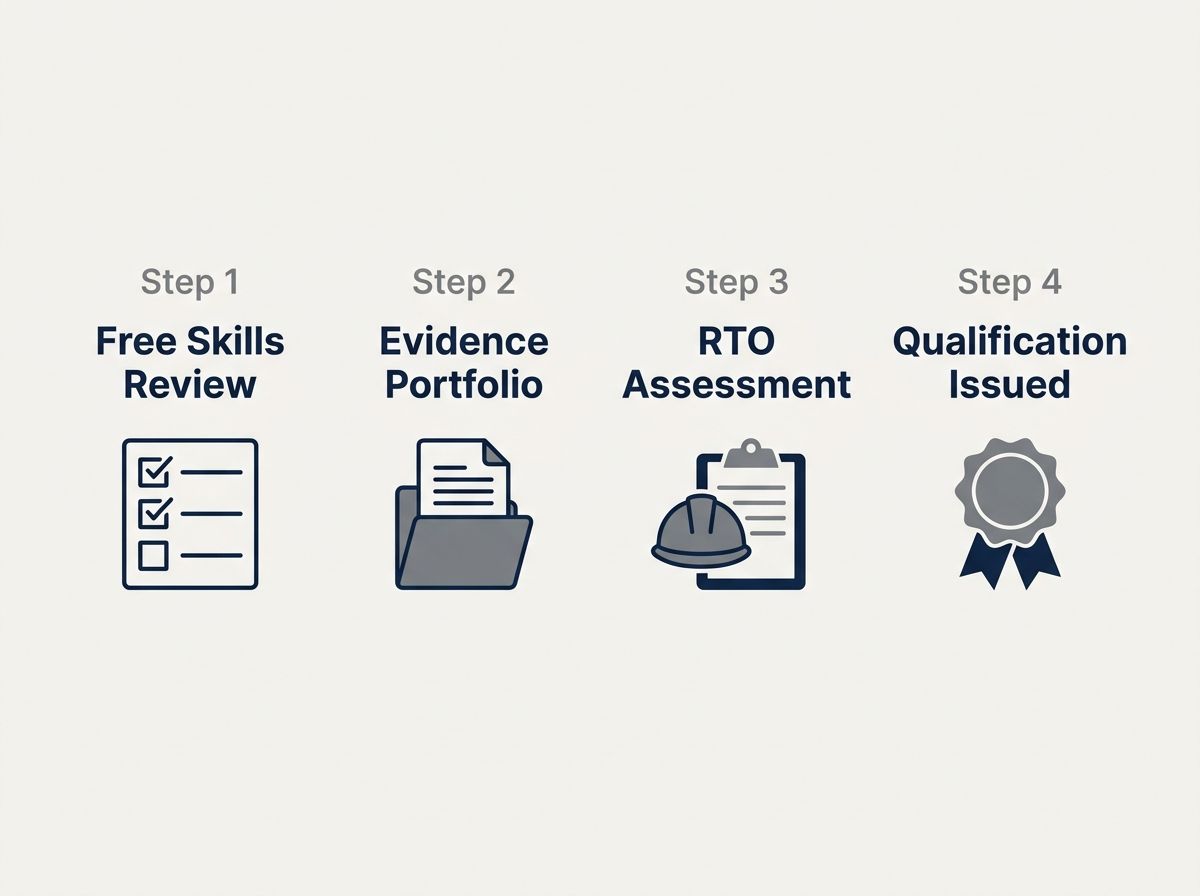
RPL is a nationally recognised assessment pathway under the Australian Qualifications Framework. Rather than completing a training course from scratch, RPL assesses whether you already hold the competencies required for the qualification, using evidence of your existing skills and experience. For experienced split system installers, that evidence typically includes documented work history, employer or supervisor statements, and a practical skills demonstration assessed by a qualified assessor from a registered RTO.
The assessment is conducted by a qualified assessor from the delivering RTO. RPL it guides candidates through the process, but the assessment and qualification issuance are the RTO's responsibility. This is important to understand: the qualification you receive is nationally recognised precisely because the assessment is genuine, conducted by a qualified professional against the units of the qualification.
Gap training may be required. If the assessment identifies areas where your documented experience does not fully cover the required competencies, additional training will be needed before the qualification can be issued. This is not a failure; it is the system working as designed, and it is worth knowing upfront. Honest suitability assessment before you begin is far better than surprises partway through.
The RPL process is designed to work around existing employment, not require time away from it. Evidence gathering happens in the context of your current work. The practical assessment is scheduled to fit your availability. For experienced installers with a solid work history, the pathway is built for people in exactly your situation.
If you have been installing split systems and want to know whether your experience is likely to support an RPL pathway for UEE20120, the Free Skills Review is the first step. It costs nothing and commits you to nothing. It simply tells you where you stand before you commit to anything.
The compliance squeeze is not easing — it is tightening
The push toward formal qualification in HVAC and electrical trades is structural, not temporary. The compliance pressure experienced by Queensland split system installers today reflects a broader national direction that has been building for years and shows no sign of reversing.
At the national level, discussions about harmonising electrical trade licensing across states have been ongoing, with the general direction being toward greater consistency in qualification requirements. Refrigerant regulations are also tightening. Changes to the types of refrigerants permitted in new systems are already in train, which will require installers to be familiar with new technologies and handling procedures. Formal qualification is increasingly the baseline expectation.
The practical implication for experienced installers is straightforward: waiting does not make the requirement go away. The window for experienced workers to have their skills formally recognised on their own terms, through RPL, is open now. The longer the delay, the more likely that compliance pressure from an employer, a contractor, or a licensing body becomes the forcing function instead.
Your experience is the starting point — not the problem
The certificate requirement is not a judgment on your competence. It is a formal system that has caught up to work that has been done well for years. Your experience is real. The skills you have built on the job are genuine. The qualification is how the system formally recognises them.
Experience can be evidence. That is the foundation of RPL, and for experienced split system installers in Queensland, it is the most practical pathway to getting the certificate without disrupting the work that pays the bills.
The Certificate II in Split Air Conditioning and Heat Pump Systems (UEE20120) is the qualification. RPL is the pathway. The Free Skills Review is where you find out whether your experience is likely to support it, at no cost and with no obligation. The decision is yours.
Learn more about the Certificate II in Split Air Conditioning and Heat Pump Systems (UEE20120) and the RPL pathway available through RPL it.
General information only, current at the date shown. Licensing rules change, so check the current requirements with the relevant regulator before you rely on them. RPL it Australia is a student support service, not a Registered Training Organisation; qualifications are assessed and issued by our partner RTOs.