From Side-Hustle Lawns to Licensed Landscaper: The Pathway Nobody Mentions
You have been landscaping for years. Learn about the pathway to a formal Victorian landscaper licence that most experienced operators never hear about.
By RPL it Australia6 min read
The landscaper who doesn't know they are already qualified
You have the experience. The system simply has not counted it yet.
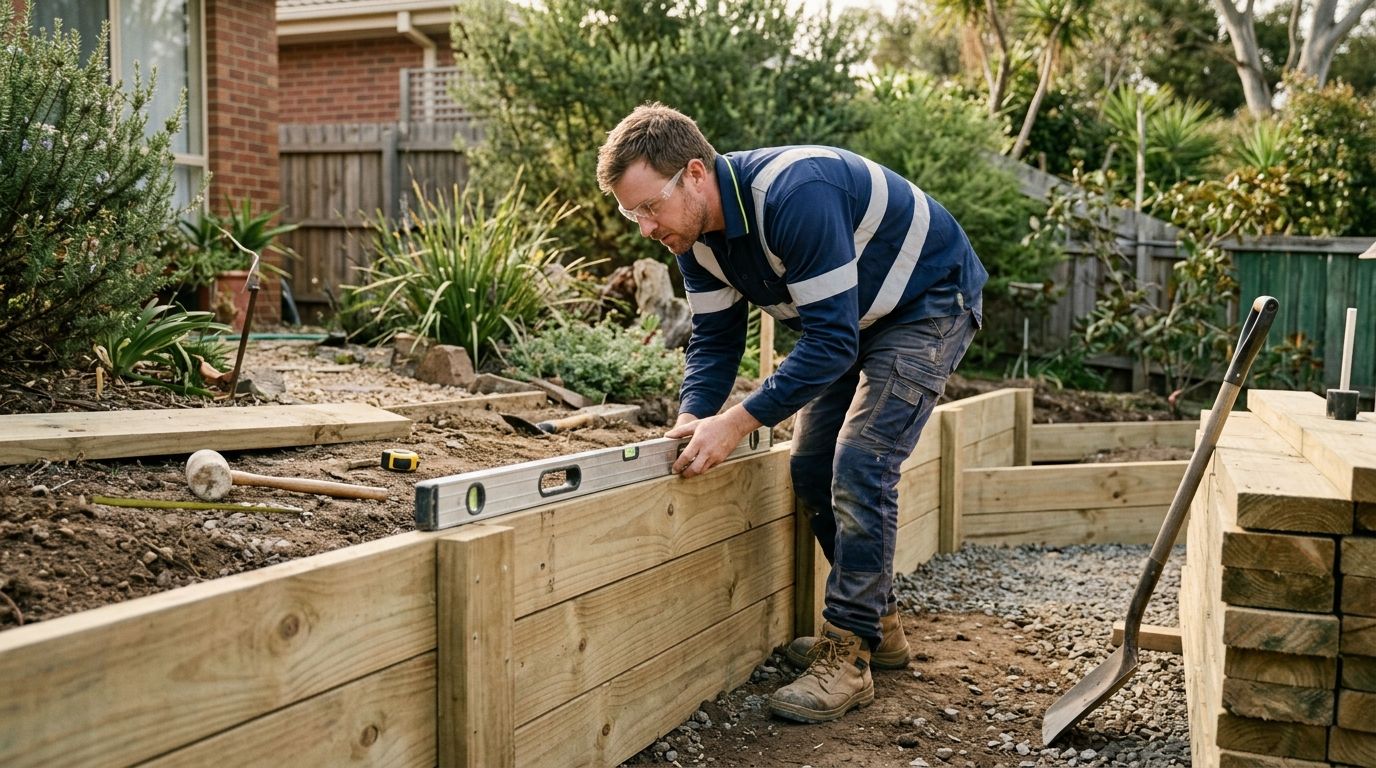
Across Victoria, many landscapers have been doing professional-grade work for years. This includes running side businesses, subcontracting, or moving from other trades. They know how to read a site, manage a crew, communicate with clients, and deliver a finished garden that lasts. What they often do not realize is that the evidence of this everyday work may be enough to support a formal trade licence application.
The training system rarely explains this. Most assume the only path to formal qualification is a standard course, which means spending months in a classroom learning things they already do daily. That assumption costs them valuable time.
Why the side hustle stays a side hustle
The work is professional. The recognition is not yet formal.
In Victoria, domestic building work generally requires a registered building practitioner once the total value of labour and materials reaches a specific threshold. State guidance commonly cites $10,000 as the point where domestic building work triggers registration requirements. This figure is indicative, and you should confirm the current threshold directly with the Victorian building regulator before relying on it for compliance.
A state-by-state trade licensing reference notes that Victoria's domestic building threshold is commonly cited at $10,000, meaning a registered building practitioner is required above that amount. Because these limits can change, you must confirm the latest rules with the regulator.
Landscaping is not automatically a licensed trade in Victoria, but the scope of your work changes the legal requirements. Structural work like retaining walls, major earthworks, and large-scale paving can bring projects under the domestic building framework. Connecting irrigation to mains water can also trigger plumbing licensing rules. The line is not always clear, and this uncertainty keeps many experienced operators from expanding.
Victorian licensing guidance explains that structural landscaping is classed as limited domestic builder work, similar to carpentry. This means the specific type of landscaping work you perform, and not just the dollar value of the project, determines whether you need a licence.
Most operators doing this work assume that getting qualified means starting from scratch. They imagine a full Certificate III course, weekly classroom sessions, and tests on theory they have already been practicing on site for years. While that is true for the traditional pathway, it is not the only option available.
What changes when you get licensed
A formal Victorian landscaper licence is more than just paper. It changes the scale of projects you can legally accept, how you tender for work, and how clients and insurers view your business.
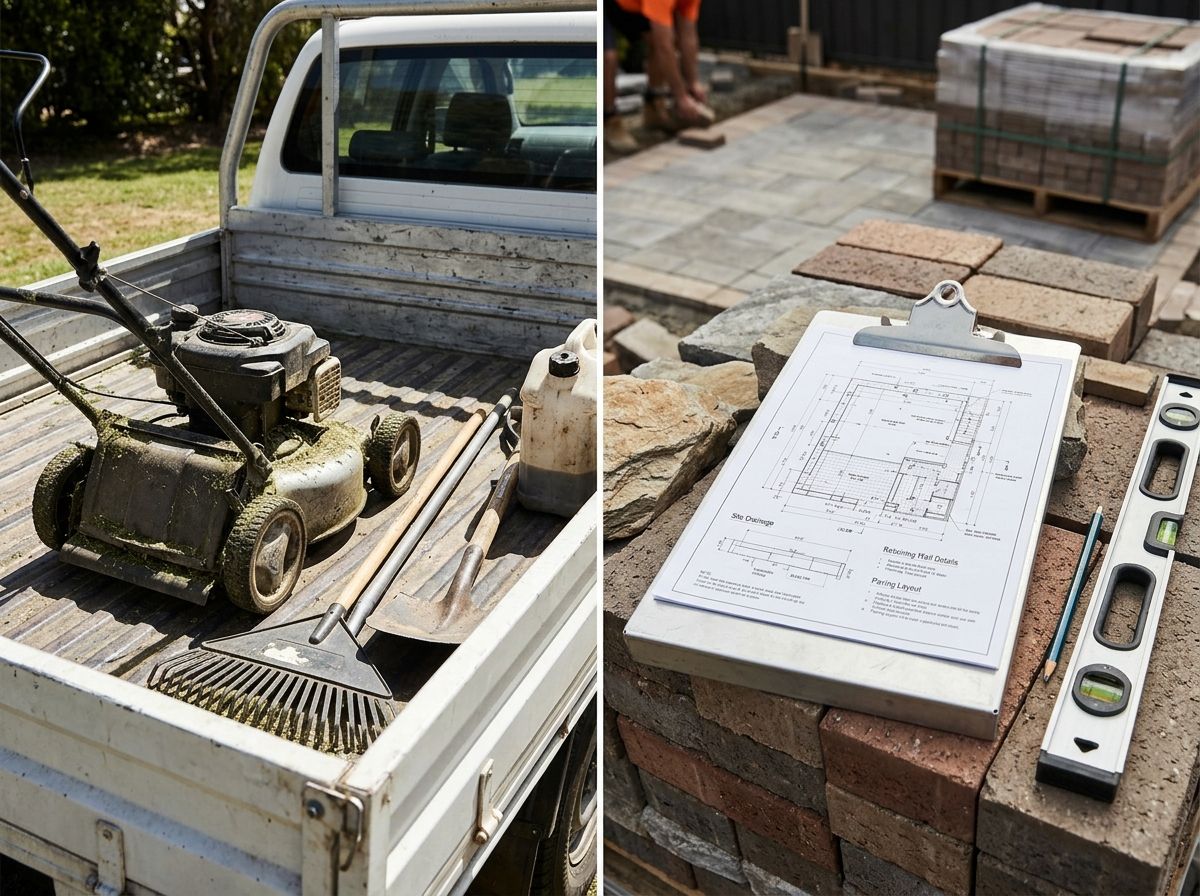
Without registration, landscapers working above the domestic building threshold face real issues. Beyond the regulatory risk, there is a clear limit on business growth. Unlicensed contractors cannot tender for major contracts, secure insurance for high-value projects, or win jobs from clients who require formal credentials.
Getting licensed changes these limits. You can run projects as a primary contractor instead of working as a subcontractor. You can take on work above the regulatory threshold. You can show clients and insurers the official qualification that matches your practical skills.
Your work is valuable. Getting licensed is how the industry officially recognizes it.
The pathway most experienced landscapers never hear about
There is an assessment path built specifically for tradespeople who have done the work but do not have the qualification. It does not require you to start your training again. Instead, it asks you to show what you already know.
Recognition of Prior Learning (RPL) is the official process where a registered training organisation (RTO) measures your current skills against a national qualification. If your work history meets the standard, the qualification is issued based on your experience, without requiring classroom study.
For Victorian landscapers, the benchmark qualification is the Certificate III in Landscape Construction. RPL is a formal pathway to earn this certificate. Once completed, the qualification can support your application for a trade licence with the Victorian regulator. RPL is not a shortcut around assessment; it is the assessment itself. The difference is that your evidence is drawn from your trade history, not from exams or classroom exercises.
Your experience acts as your evidence. That is the basic principle, though few landscapers are told they can use it.
What kind of experience actually counts
Assessors look at your practical skills, not your job titles. What matters is whether your project history shows evidence of the specific units in the qualification.
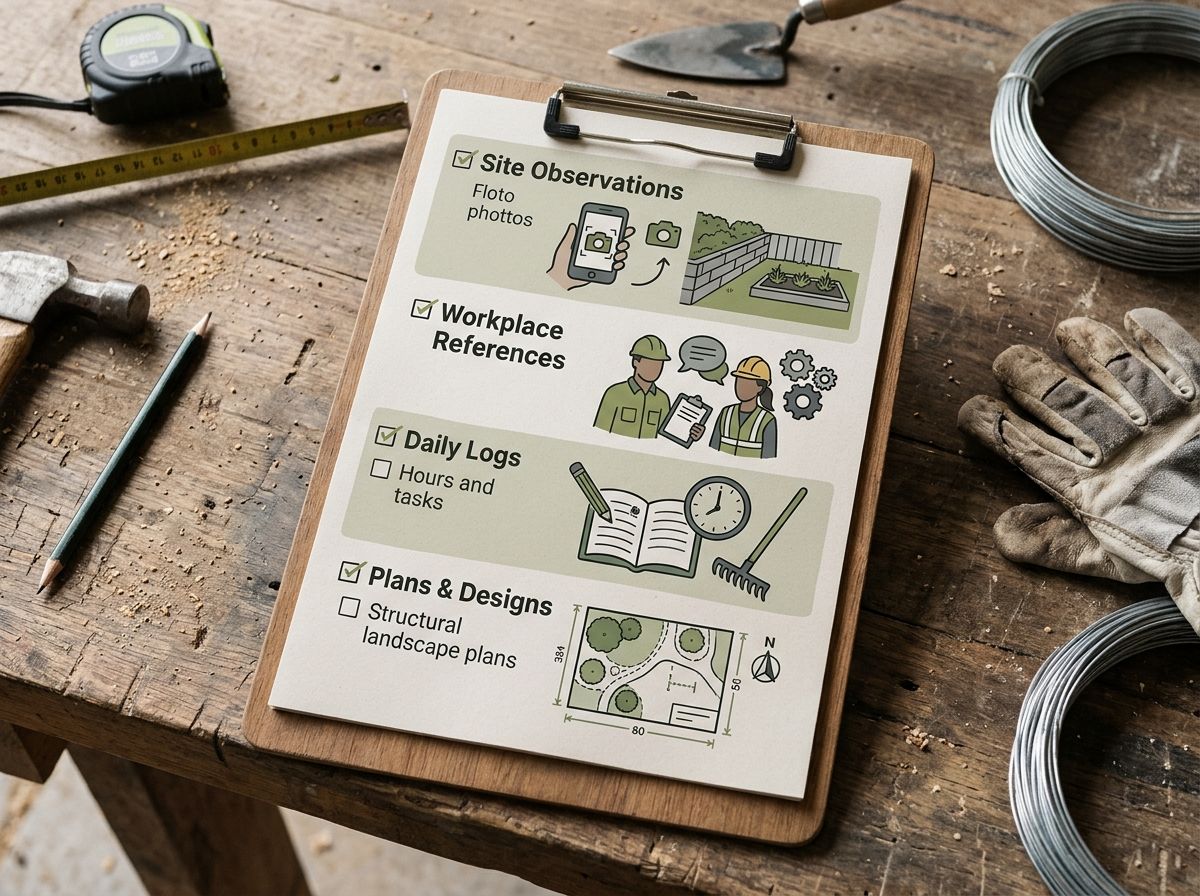
For a Certificate III in Landscape Construction, the assessment covers the practical and business aspects of daily trade work. If your work history includes these areas, you are a strong candidate for an RPL assessment:
- Managing domestic or commercial landscaping jobs from initial plans to final sign-off
- Building structural features like retaining walls, paving, decks, and irrigation systems
- Supervising or coordinating other workers on-site
- Estimating, ordering, and managing landscaping materials
- Working directly with clients to price jobs, manage projects, and deliver the work
- Operating machinery and heavy equipment safely on site
- Running an independent landscaping business, even as a subcontractor
The evidence for an assessment usually includes employment history, references from supervisors or clients, photos of your completed projects, logbooks, and confirmation of your role on site. If you have been working in the trade, you likely have this evidence already. It simply needs to be compiled and presented to the assessor.
The question is straightforward: have you been performing the daily work of a qualified landscaper? If you have, the next step is determining if your evidence meets the benchmark. The Free Skills Review is designed to answer that question for you.
RPL is not for everyone
RPL is a thorough assessment process. It is not an automatic pass, and it is not suitable for everyone who has done occasional landscaping work.
If your experience is limited to occasional weekend jobs or basic tasks that do not cover the full scope of the qualification, RPL might not be the correct starting point. A gap training program may be a better option, and an assessor will tell you this directly before you make any decisions.
Getting qualified should not mean starting your career over, but you do need real evidence of your work. The Free Skills Review is designed to show you exactly where you stand before you make any choices. It is better to find the correct path early than to enrol in an unsuitable program.
Taking the first step costs nothing
Moving from running side jobs to holding a formal Victorian landscape licence starts with assessing your current skills. It is about whether your experience already meets the standard.
The Free Skills Review is a clear, simple way to check. It is completely free, carries no obligation, and is not a sales call. It is a practical assessment of your suitability for RPL before you commit to any enrolment.
If you have years of experience, your work history already proves your capability. The Free Skills Review helps you map that history to an official qualification.
The choice is entirely yours. If you already have the skills and experience, it is worth finding out if you can convert them into a qualification.
General information only, current at the date shown. Licensing rules change, so check the current requirements with the relevant regulator before you rely on them. RPL it Australia is a student support service, not a Registered Training Organisation; qualifications are assessed and issued by our partner RTOs.