You don't need to go back to tech school to get your certificate
Your employer needs you qualified. RPL means proving what you already do on the job rather than sitting in a classroom. Here is how the process works.
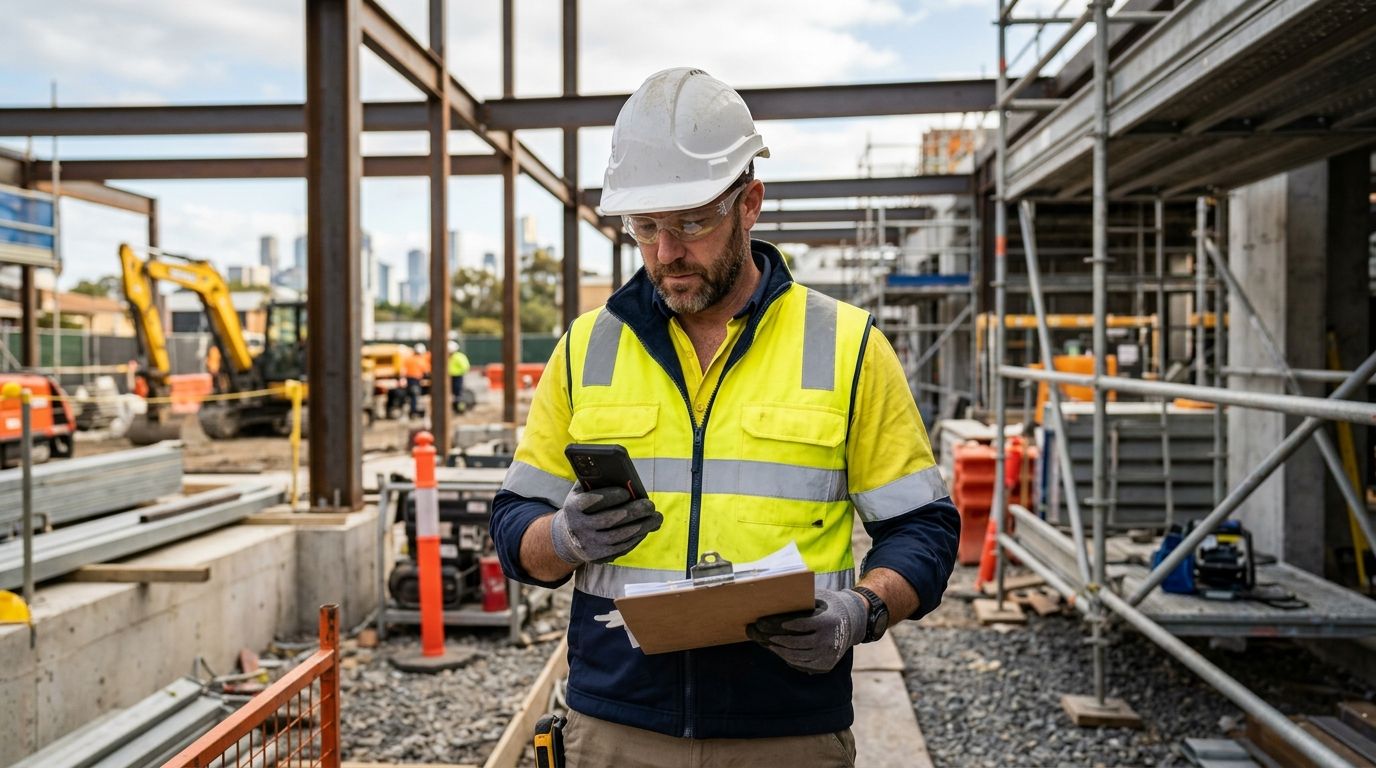
The moment your boss tells you to get qualified
You've been doing this work for years. You know the job. You have trained people who now hold certificates you don't. Then the message comes down from HR, your site manager, or a new contract requirement: you need a formal qualification to keep doing your job.
The dread that follows is common. When most experienced workers hear 'you need to get qualified,' they think it means going back to school. Taking time off work. Sitting in a classroom with people half their age. Studying things they already know. Spending months or even years repeating tasks they mastered a decade ago.
This assumption is understandable, but it is also incorrect. Realising why it is wrong changes how you approach the requirement.
What getting qualified actually means in Australia
There are two ways to earn a nationally recognised qualification in Australia. The first is the path most people picture: you enrol in a course, attend classes, and complete assessments. That pathway exists and works well for people starting out in an industry.
The second pathway is Recognition of Prior Learning (RPL). This is a formal assessment process that evaluates the skills and knowledge you have already gained through actual work experience, rather than requiring you to study. RPL is not a shortcut or a concession. It is a legitimate, nationally recognised pathway built into the Australian training system specifically for people who have already done the work.
The qualification you receive through RPL is identical. You get the same certificate with the same national recognition. The only difference is how you demonstrate competence: you show evidence of what you have already done, rather than doing coursework from scratch.
The work you did yesterday is already the qualification
For experienced workers, the qualification is not something you need to learn. It is something you need to prove.

The skills already exist. You use them every day. The RPL process is about gathering evidence that those skills meet the formal standards, rather than teaching you new ones.
What does this evidence look like in practice? For an experienced worker, it typically includes materials you already have or can easily gather:
- Records of work completed, such as job sheets, project documentation, or work orders
- Site photos showing work you have completed to industry standard
- Statements from supervisors, employers, or colleagues who can confirm your competence
- Logbooks or records of your hours and tasks
- Safe Work Method Statements or similar documentation you have prepared
- A practical demonstration, where an assessor observes you performing the work
None of this requires you to leave the job site for an extended period. None of it requires you to sit in a classroom. The evidence is drawn from the work you are already doing.
Why RPL exists and who it was designed for
RPL was not created as a loophole. It exists because the Australian training system recognises a simple reality: competence is built outside the classroom. Years of on-the-job experience and practical problem-solving produce genuine skills, and the formal training system needs a way to recognise those skills.
The pathway was designed specifically for workers in your position: people who learned by doing, who built their expertise through experience rather than formal study, and who now need that experience formally recognised.
The qualification issued through RPL carries the same national recognition as one earned through traditional study. It is assessed and issued by a Registered Training Organisation (RTO), which is registered under the national framework to conduct formal assessments. RPL it guides candidates through the process and supports the evidence gathering, but the assessment itself is conducted by a qualified assessor from the delivering RTO. The outcome is genuine because the assessment is rigorous.
This matters for Marcus and for anyone in his position: the qualification you receive is portable, recognised by employers across Australia, and carries the same weight as any other nationally recognised certificate at that level.
What the process actually looks like
The RPL process is straightforward and is not designed to catch you out. Here is how it works:
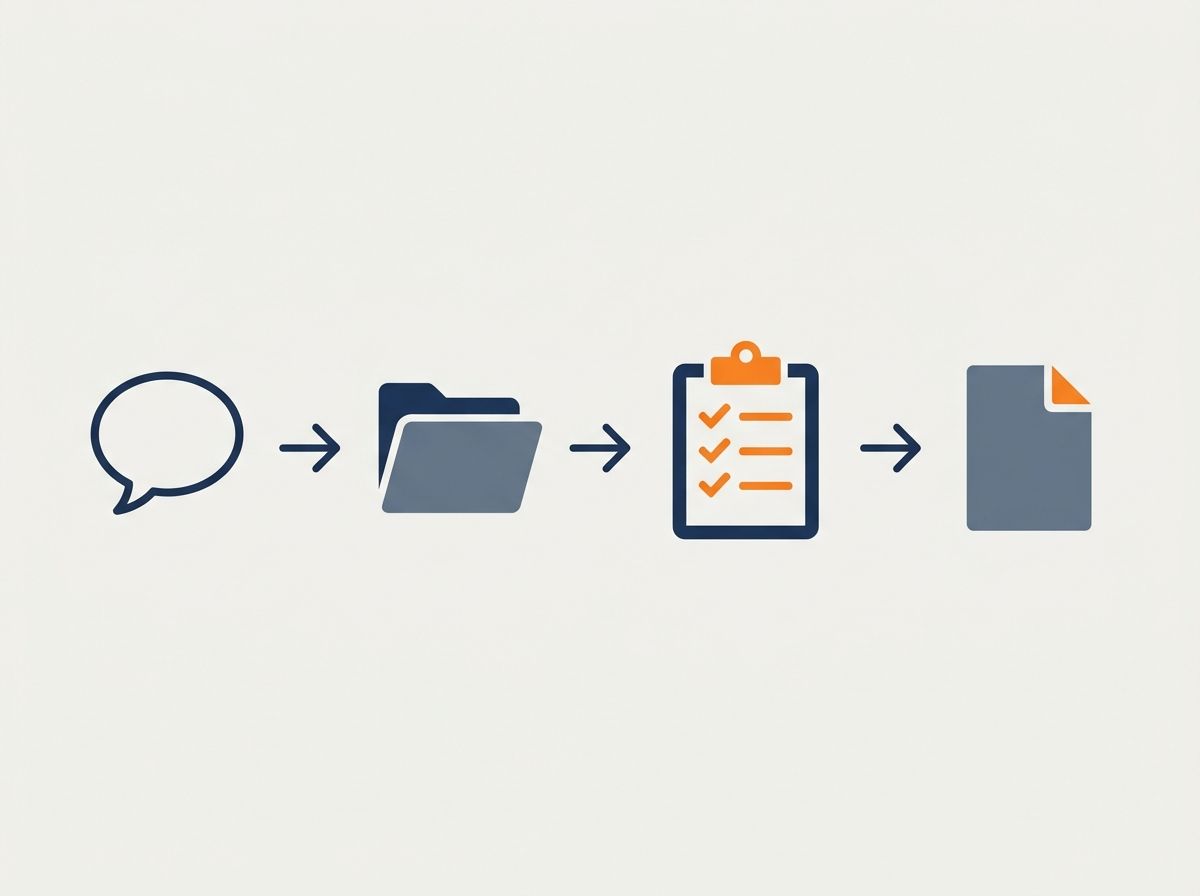
- A Free Skills Review: an initial conversation to assess whether your experience is likely to meet the qualification requirements. This costs nothing and carries no obligation. It is an honest check, not a sales pitch.
- Evidence gathering: working with a guide to identify and compile the documentation that demonstrates your competence. This happens around your existing work schedule.
- Assessment by a qualified assessor from the delivering RTO: the assessor reviews your evidence and may conduct a practical demonstration or structured conversation to verify your skills.
- Outcome: either the qualification is issued, or we identify gap training. If gaps exist, they are addressed through targeted training that covers only what you cannot yet demonstrate.
The process is designed to be manageable for someone working full-time. It does not require taking extended leave or sitting through material you already know. The timeline varies depending on the qualification and the individual, but the process is structured around your existing work life, not the other way around.
One important note: the assessment is conducted by the RTO, not by RPL it. Our role is to guide you through the process, helping you understand what evidence is needed, how to gather it, and what to expect. The formal assessment and the qualification itself are the RTO's responsibility.
The difference between studying and proving
Studying means learning new skills. Proving means demonstrating the skills you already use daily.
For someone facing an employer mandate, the question is not what you need to learn. It is what evidence you already have, and what you can easily gather.
A common concern at this point is that you lack formal records. This worry is usually more manageable than it first appears. Evidence does not have to be formal paperwork. It can include:
- Photos of completed work on your phone
- A letter or statement from a current or former employer
- References from supervisors or colleagues who have observed your work
- Records of projects you have managed or contributed to
- Copies of SWMS or other safety documentation you have prepared
- Your own account of your work history, structured to address the qualification requirements
You already have the experience and the evidence. You simply need an assessor to review it.
What happens if there are gaps
RPL is a genuine assessment. That means it is possible for gaps to be identified where your experience does not yet fully meet the formal standard for the qualification.
This is not a failure. It is the system working as it should. A rigorous assessment that identifies gaps is far more valuable than one that does not.
When gaps are identified, gap training is provided to address them. Gap training is targeted: it covers only the specific areas where competence needs to be demonstrated, not the entire qualification. It does not mean starting over. It means filling in the specific pieces that are missing.
The qualification you receive at the end of the process is nationally recognised because the assessment is genuine. An assessor has verified your competence, and that verification is what gives the certificate its value.
Your experience has already done the work
You were told you need a qualification. That is true. But the assumption that you have to go back to school to get it is not.
The work you have done is real. The skills you have developed are real. RPL is the process that translates them for formal systems that require documented evidence.
You do not need to repeat what you already know. You just need to prove it.
To understand why on-the-job experience is legitimate evidence of competence, this article on rethinking the RPL certificate in Australia addresses the classroom assumption directly.
The decision is yours. The first step costs nothing and commits you to nothing.
Ready to Get Recognised?
Start with a free skills review to find out if RPL is right for you.