Stop treating HVAC as a new trade: Translating your existing skills into split systems
Already working in refrigeration, electrical, or plumbing? Your skills may already meet UEE20120 requirements. Here's how to translate them without retraining.
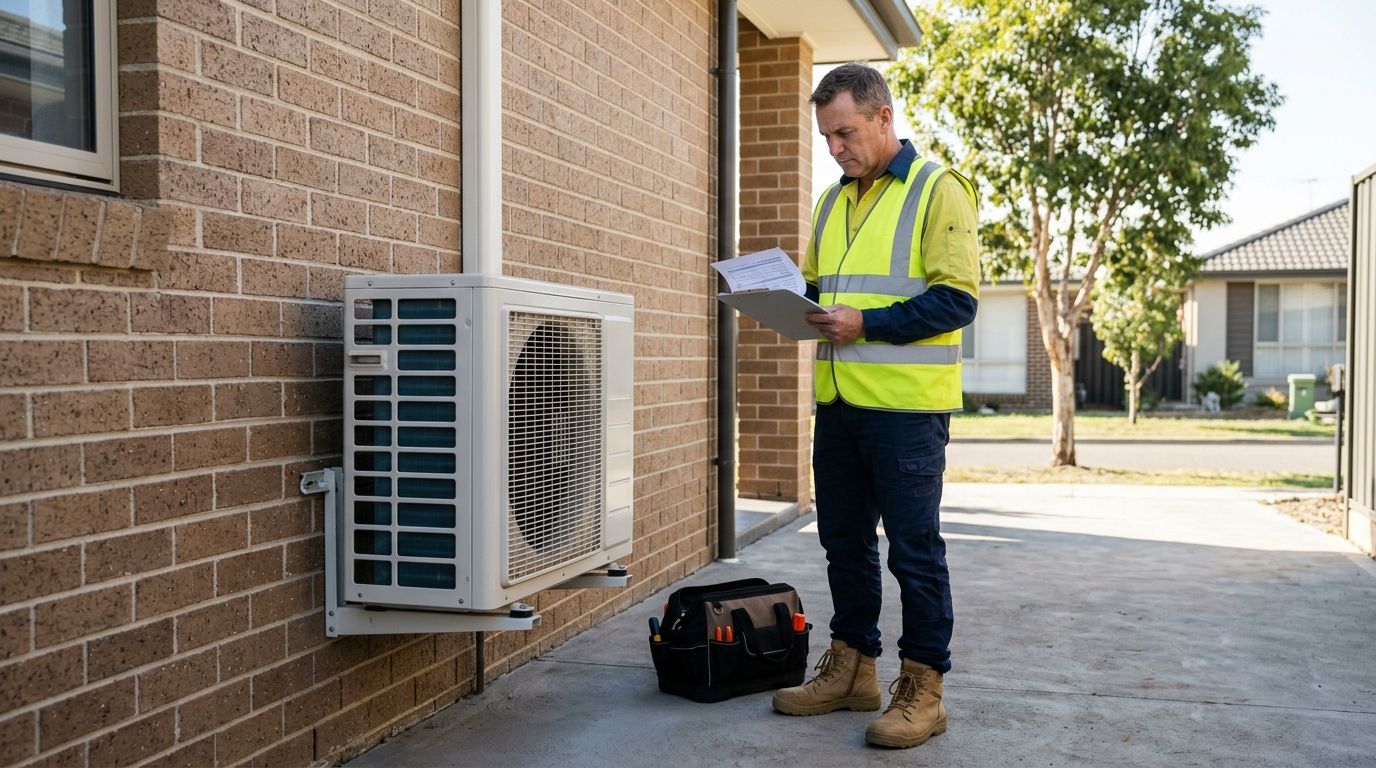
The wrong question tradespeople ask about HVAC
You have the experience. The question is whether the system can see it.
Most experienced tradespeople approaching split system work ask the same question: what do I need to learn? It is the wrong question. If you have spent years in refrigeration, electrical work, or plumbing, the more useful question is: what do I already know that counts toward the Certificate II in Split Air Conditioning and Heat Pump Systems?
The assumption that HVAC is a completely separate trade, requiring you to start from scratch, is one of the most common reasons skilled tradespeople avoid the pivot entirely. They look at the qualification code, UEE20120, and assume it means a classroom, a course, and months of learning things they already do on every job site. That assumption is often wrong.
This is not a retraining problem. For many tradespeople from related fields, it is a translation problem. Your skills are real. Your experience is deep. The question is whether it has been presented in the language the qualification framework requires. That is a very different challenge from starting over.
What the Certificate II in Split Air Conditioning actually covers
Before the reframe can land, it helps to understand what UEE20120 actually assesses. This is not a course description; it is a skills inventory. Read it as a list of things the qualification expects you to be able to demonstrate, and ask yourself how many of them you already do.
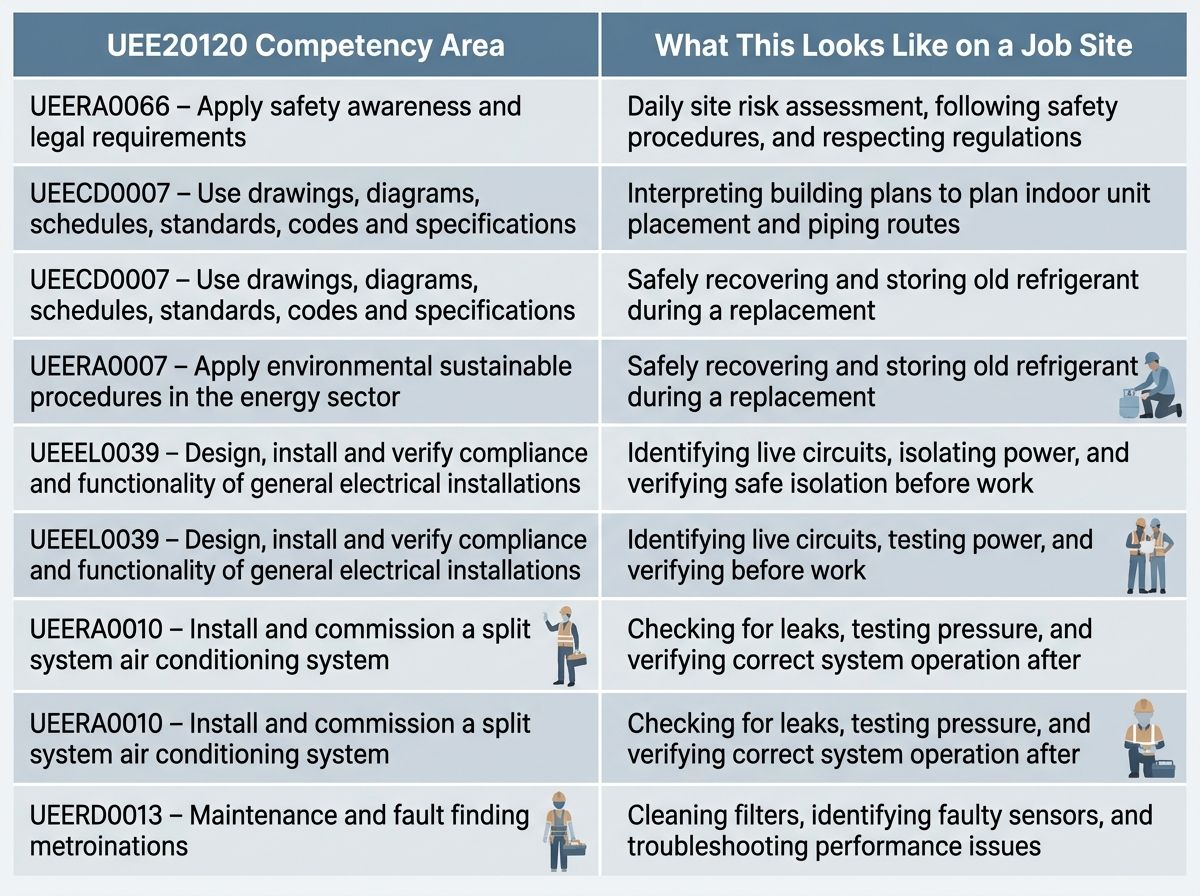
The Certificate II in Split Air Conditioning and Heat Pump Systems is a nationally recognised qualification under the UEE Electrotechnology Training Package. It covers the installation, commissioning, and servicing of split system air conditioning and heat pump equipment. The core competency areas include safe work practices and electrical safety compliance, handling and recovering refrigerants in accordance with regulatory requirements, mounting, connecting, and commissioning indoor and outdoor units, testing and fault-finding on installed systems, and completing the documentation required for compliance and handover.
If you have been commissioning split systems, you already understand most of what that list describes. If you have been recovering refrigerants under an ARC licence, you understand the regulatory framework around refrigerant handling. If you have been completing electrical connections on HVAC equipment, you understand the safety requirements. The qualification is not asking you to learn these things. It is asking you to demonstrate that you already do them to a standard that a registered assessor can verify.
The skill translation map: where your trade already overlaps
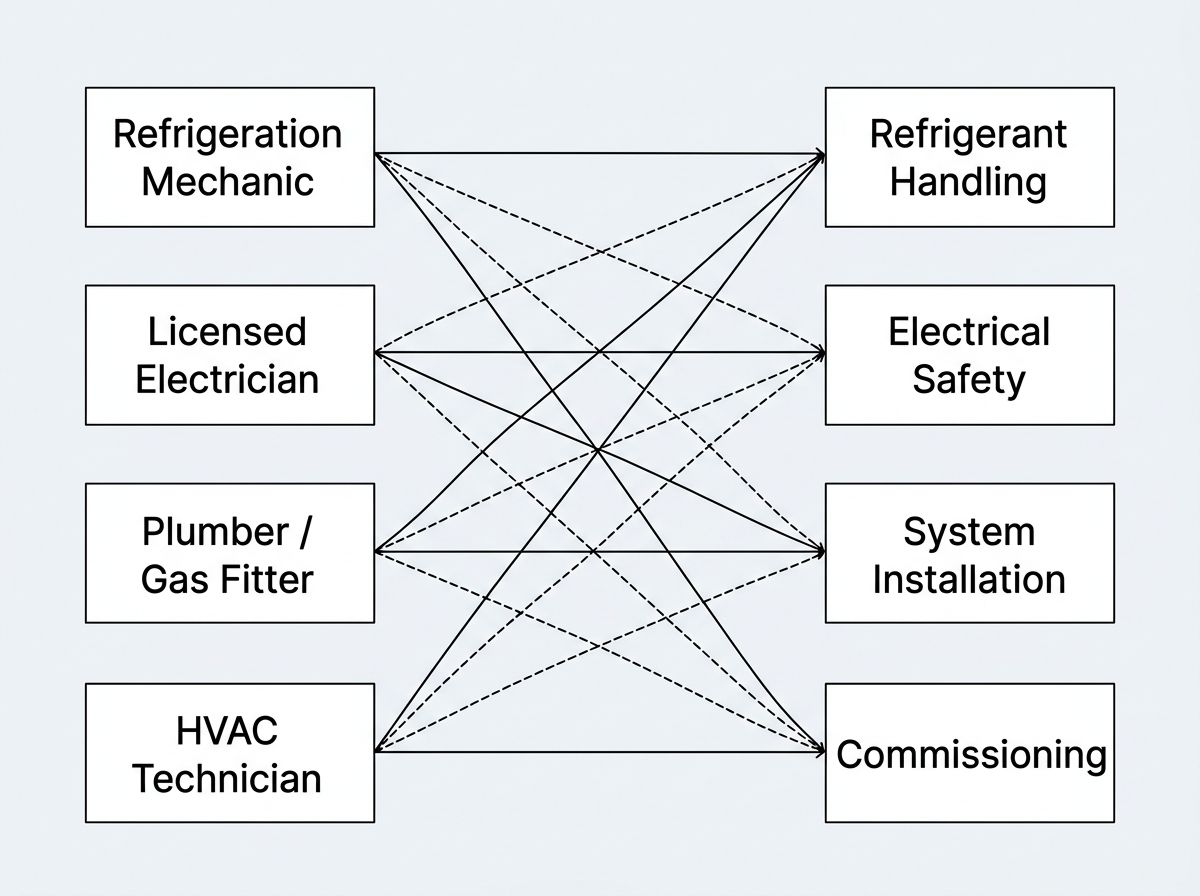
This is where the transition becomes concrete. For tradespeople from related fields, the overlap with UEE20120 competencies is often substantial. The gaps are real but specific, and knowing where they are is far more useful than assuming you need to start from scratch.
Refrigeration mechanics
If you hold a Certificate III in Refrigeration and Air Conditioning or equivalent, your overlap with UEE20120 is likely the strongest of any trade background. Refrigerant handling, recovery, and recharging procedures map directly to the refrigerant-related units in UEE20120. System commissioning and fault diagnosis are core to both qualifications. Your understanding of refrigeration cycles, pressure testing, and leak detection translates directly. The most common gap for refrigeration mechanics is around the electrical connection and compliance documentation requirements specific to split systems, particularly the electrical safety units and the handover documentation expected under state electrical licensing frameworks. This is a specific, bounded gap and not a reason to start over.
Licensed electricians
If you hold a Certificate III in Electrotechnology Electrician (UEE30820), your electrical safety knowledge, wiring compliance, and testing procedures map strongly to the electrical components of UEE20120. You understand safe work practices, isolation procedures, and compliance documentation at a level that exceeds what UEE20120 requires in those areas. The most common gap for electricians is on the refrigeration side, specifically refrigerant handling regulations, ARC licence requirements, and the mechanical aspects of split system installation. If you have been doing electrical connections on HVAC equipment without holding an ARC licence or refrigerant handling authorisation, that is the area most likely to require additional demonstration or gap training.
Plumbers and gas fitters
Plumbers and gas fitters often have strong overlap in the areas of system installation, pressure testing, and compliance documentation. If you have been installing heat pump hot water systems, your understanding of refrigerant circuits, commissioning procedures, and system testing is directly relevant. The gaps for plumbers typically fall in two areas: the electrical connection requirements (which require electrical licensing in most states) and the refrigerant handling authorisation. These are not insurmountable, but they are real, and they are worth understanding before you begin an RPL process.
HVAC maintenance technicians
If you have been maintaining, servicing, and fault-finding on split systems without holding the installation qualification, your practical knowledge of how these systems work is often the deepest of any cross-trade candidate. Fault diagnosis, refrigerant top-up, filter maintenance, and system performance testing are all directly relevant. The gap for maintenance technicians is typically around the installation and commissioning units. This includes the structured process of mounting, connecting, and commissioning a new system from scratch, along with the documentation that process requires. If your experience has been primarily in servicing rather than installation, that is the area to focus on.
What translation actually looks like in an RPL assessment
Recognition of Prior Learning is the formal mechanism for translating existing competence into a qualification. For UEE20120, an RPL assessment is not a test of whether you can do the job. It is a structured process of verifying that you already do it, to the standard the qualification requires.
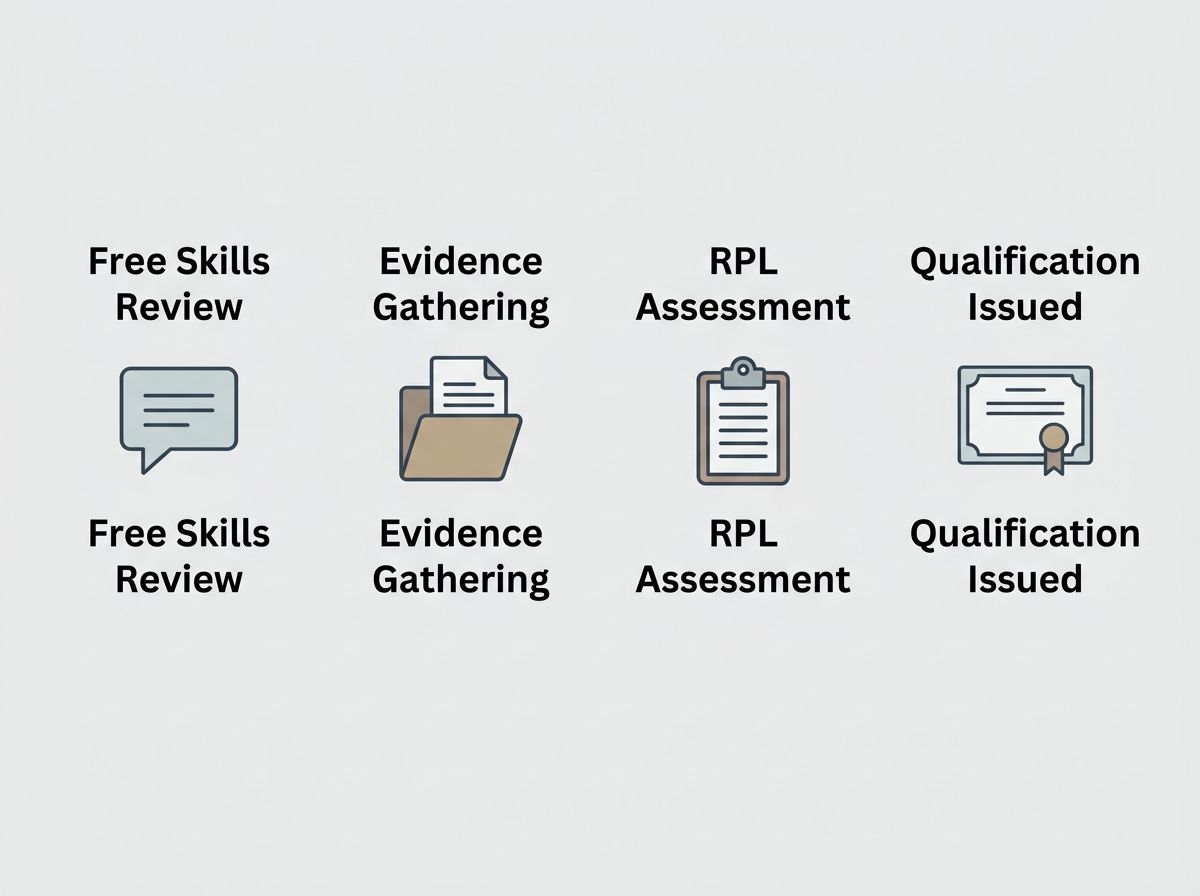
The process typically begins with a skills review: a conversation about your background, your current work, and how your experience maps to the qualification's competency areas. From there, evidence is gathered. For UEE20120, that evidence commonly includes records of split system installations you have completed, documentation of refrigerant handling procedures, employer or supervisor statements confirming your work, photographs of completed installations, and any relevant licences or authorisations you currently hold.
The assessor's job is to match that evidence to the qualification's units. Where the evidence is strong, the unit is recognised. Where the evidence is thin or a gap is identified, gap training may be required. Gap training is a normal, supported part of the RPL process. It is not a failure, and it does not mean starting over. It means filling a specific, identified gap in an otherwise strong portfolio.
It is worth being clear about what RPL is not. It is not a shortcut. It is not a way to bypass genuine assessment. The qualification is nationally recognised precisely because the assessment is genuine: a registered assessor from a registered training organisation makes an independent professional judgement about your competence. That rigour is what makes the qualification worth having.
For a detailed look at what an RPL assessor looks for in a split air conditioning portfolio, this article covers the evidence-gathering process specifically.
The honest gap: what you may still need to demonstrate
Not every tradesperson from a related field will have a complete overlap with UEE20120. Being honest about that is important for your own planning and for making a sound decision about whether to proceed.
The most common gaps for cross-trade candidates fall into three areas. First, refrigerant handling authorisation: if you have been working with refrigerants without a formal authorisation, that is a gap that needs to be addressed for your ongoing compliance as well as the qualification. Second, electrical safety documentation: the specific compliance documentation required for electrical work on split systems varies by state, and candidates from non-electrical backgrounds often need to demonstrate this more formally. Third, installation commissioning records: if your experience has been primarily in servicing or maintenance rather than new installations, you may need to demonstrate the full installation and commissioning process with appropriate documentation.
These gaps are specific and bounded. They do not mean you lack competence; they mean there are particular areas where the formal evidence needs to be stronger. A good RPL process identifies these gaps early, before you commit to anything, so you can make an informed decision about whether and how to proceed.
Your next step: a Free Skills Review
You have the experience. The question is whether it translates. The only way to answer that question for your background is to have someone map it properly.
A Free Skills Review is exactly that: a no-cost, no-obligation conversation about your background and how it maps to the Certificate II in Split Air Conditioning and Heat Pump Systems. It is not a sales call. It is not an enrolment process. It is the first step in finding out whether your experience matches the requirements of UEE20120, and if it does not, what would need to change.
The decision is yours. Finding out costs nothing.
Ready to Get Recognised?
Start with a free skills review to find out if RPL is right for you.