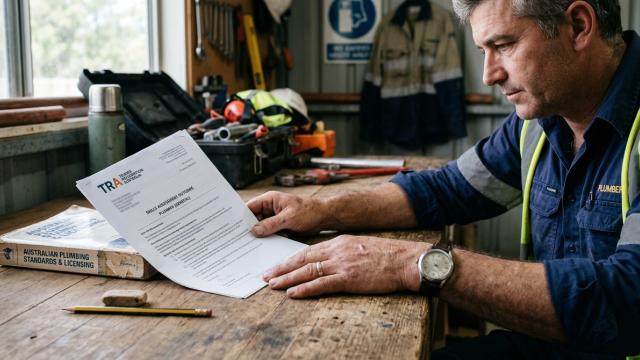
Your site supervisors are already doing the job: the ACT licence has not caught up
ACT site supervisors may be working without the formal licence. Learn what this compliance gap costs and how to close it through RPL.
By RPL it Australia7 min read
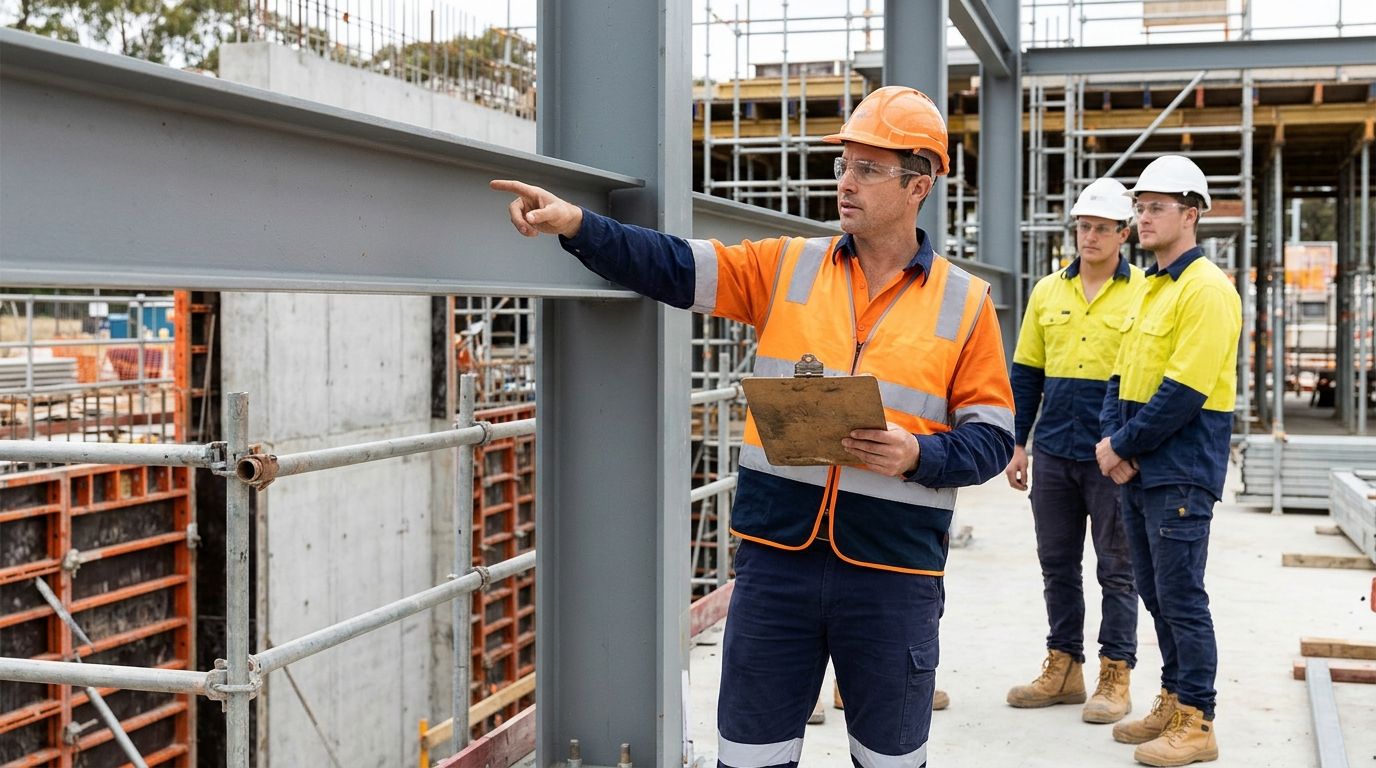
The compliance gap most ACT construction businesses miss until it is too late
You have a site supervisor who knows the job completely. They direct the crew, manage safety, coordinate subcontractors, and keep the programme moving. They have been doing this for years. You trust them, and that trust is well earned.
But there is a necessary question to ask: do they hold the formal ACT Construction Supervisor licence?
For many ACT construction businesses, the honest answer is no. This is not because the supervisor lacks the skill, as they clearly have it, but because they never formally obtained the licence. The business assumed that demonstrated competence was the same as regulatory compliance. In the ACT, that assumption is incorrect.
This pattern is common. It is more frequent than most employers realise, and it tends to stay invisible until something forces it into view. This might be a tender submission, an insurance review, or a compliance audit. At that point, the gap is no longer a distant risk. It is a present problem.
What the ACT Construction Supervisor licence covers
The ACT requires that construction supervision above certain thresholds be carried out by, or under the authority of, a person holding the appropriate construction licence. The Construction Supervisor licence is the specific credential that authorises a person to direct and supervise construction work in the territory.
This is not a voluntary certification or an industry standard. It is a legal licensing requirement. The licence defines who is legally authorised to supervise. A supervisor who is competent but unlicensed is not compliant, regardless of how well they perform their work on site.
The ACT Construction Supervisor licence is administered through the construction occupations licensing framework of the territory. Applicants must demonstrate both relevant qualifications and appropriate experience. The specific qualification requirements, licence classes, and application process are set by the licensing authority. Employers and supervisors should confirm current requirements directly with Access Canberra or the relevant ACT government body, as these details are subject to change.
For an overview of the ACT Construction Supervisor licence pathway, including the qualifications typically associated with it, see the RPL it product page.
The three-stage pattern that creates the compliance gap
The compliance gap does not appear overnight. It develops in stages, and each stage feels reasonable at the time.
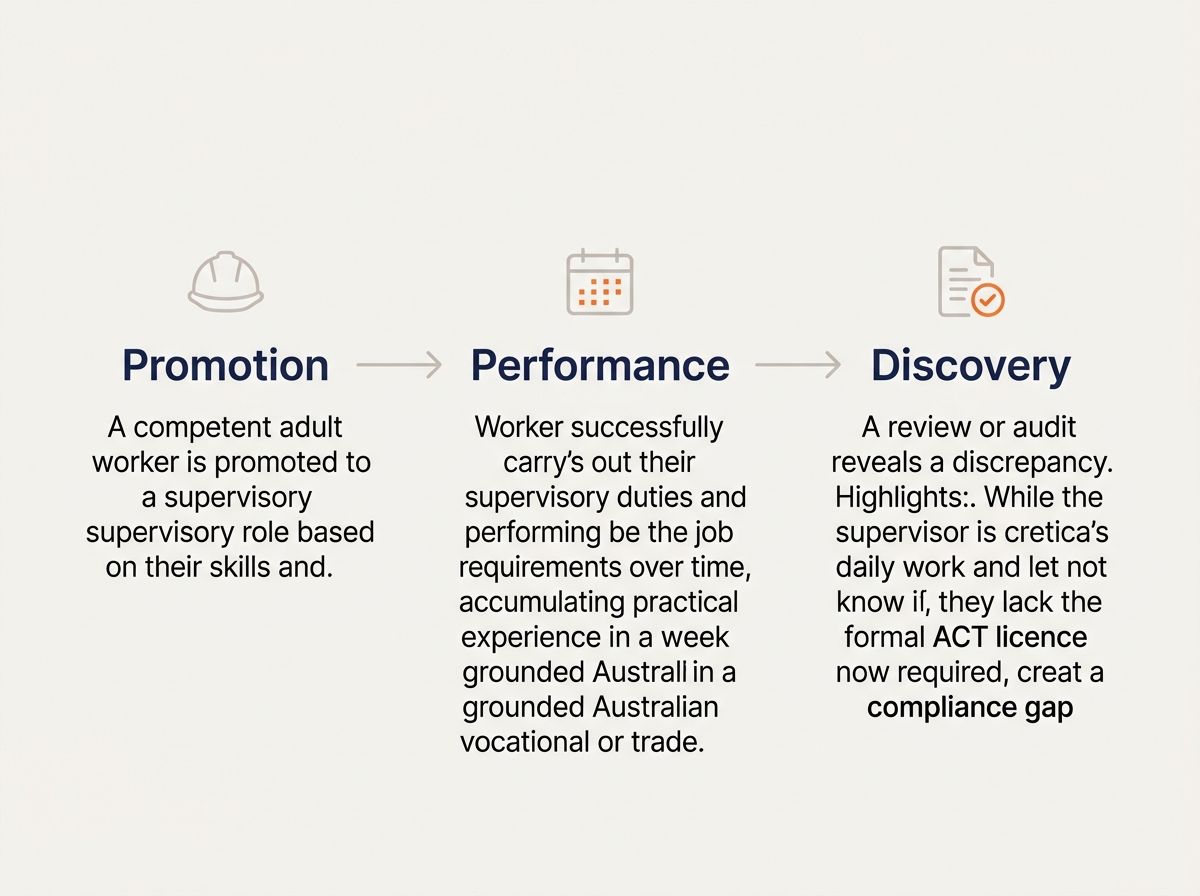
In stage one, a skilled tradesperson or experienced site worker is promoted to a supervisory role. The decision is based on demonstrated competence because they know the work, they know the site, and the team respects them. The promotion makes sense. The licence question does not come up because the focus is on capability rather than credentials.
In stage two, the supervisor performs the role effectively. They manage safety, direct subcontractors, sign off on work, and keep the project on track. Months pass, and sometimes years. The business grows while the supervisor takes on more responsibility. Nothing goes wrong, so nothing prompts a review of their formal credentials.
In stage three, something changes. A tender requires proof of licensed supervision, or an insurer asks for evidence of compliance. A workplace incident might trigger a regulatory review, or the business decides to audit its compliance position before bidding on a larger contract. At that point, the question is asked, and the answer creates a problem that retroactively covers the entire supervision period.
The gap was always present. It was simply not visible until it mattered.
What the gap costs: compliance, tenders, and insurance
This unlicensed supervision gap creates exposure across three areas. Each area is significant on its own, and they compound when combined.
Regulatory exposure is the first issue. Operating without a required licence in the ACT is a breach of the construction occupations licensing framework. The consequences can include fines, stop-work orders, and reputational damage with the licensing authority. The specific penalties are set by ACT legislation. Employers should confirm current provisions with Access Canberra or seek appropriate legal advice, as this article does not constitute legal counsel.
Tender ineligibility is the second risk. Many construction contracts, particularly those involving ACT government work or larger commercial projects, require that supervision be carried out by a licensed person. If your supervisor does not hold the licence, your business may be ineligible to bid, or you may be in breach of contract conditions on work already underway. This is a commercial risk that can materialise without warning when a new tender opportunity arises.
Insurance exposure is the third issue. Construction insurance policies commonly include conditions related to licensed supervision. Where a claim arises from work supervised by an unlicensed person, the insurer may have grounds to reduce or reject the claim. Employers should review their policy conditions and seek advice from their broker. This article cannot confirm the specific conditions of any individual policy.
The common thread across all three is clear: performing the role is not the same as holding the licence. The licensing system does not assess how well the work was done. It assesses whether the formal credential was in place.
Why the compliance gap persists: the competence assumption
The gap persists because construction employers often conflate competence with compliance.
A supervisor who manages a site well, passes safety audits, earns the trust of their crew, and delivers projects on time is demonstrably capable. Their competence is real, their experience is deep, and the employer's confidence in them is justified.
But the ACT licensing system does not assess raw competence. It assesses whether the formal credential has been obtained. A supervisor can be the most capable person on the site and still be unlicensed. These are distinct issues, and the system does not make exceptions for demonstrated performance.
This is not a flaw in the supervisor. It is a gap between what the supervisor has, which is years of real, demonstrated experience, and what the licensing system requires as evidence. That evidence must be a formal qualification, assessed by a registered training organisation, confirming that their experience meets the required standard.
Experience is not the same as evidence in the eyes of the licensing system. That distinction is the root of the compliance gap.
Closing the gap: how RPL converts site experience into the ACT licence
Recognition of Prior Learning (RPL) is the formal pathway that converts demonstrated site supervision experience into the qualification required to support an ACT Construction Supervisor licence application.
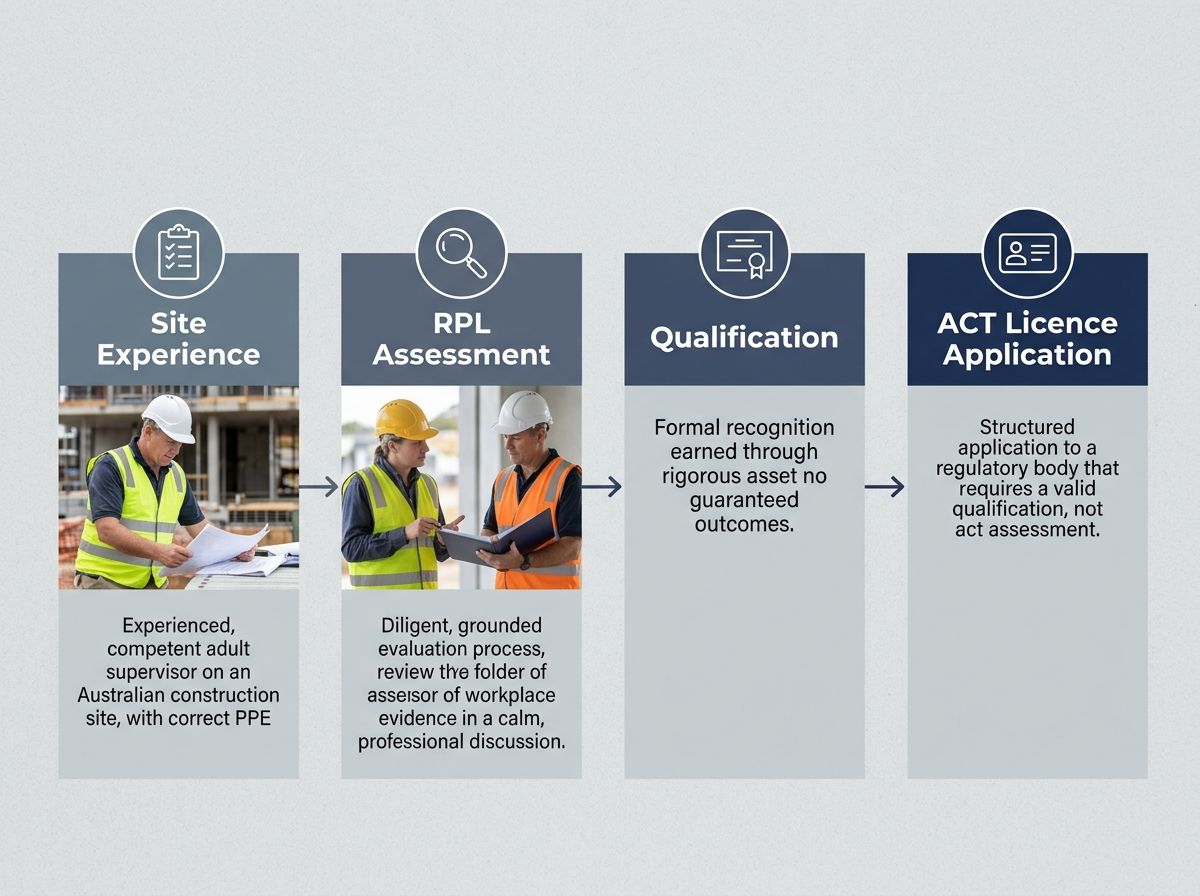
RPL does not require the supervisor to re-learn what they already know. It requires them to demonstrate, through structured evidence, that their knowledge meets the standard of the relevant qualification. The assessment is conducted by a qualified assessor from a registered training organisation (RTO). RPL it guides candidates through the evidence gathering and documentation process, while the RTO conducts the formal assessment and issues the qualification.
For a site supervisor with years of relevant experience, the evidence base is typically already there. It exists in the work they have already done, including project records, site documentation, safety management records, references from colleagues and clients, and records of decisions made and problems solved on site. The RPL process structures that evidence into a form the assessor can evaluate against the competency requirements of the qualification.
Where gaps are identified, meaning areas where the evidence does not fully meet the standard, gap training may be required. This is part of a rigorous assessment process rather than a shortcut. The qualification that results is nationally recognised precisely because the assessment is genuine.
Once the qualification is obtained, it supports the application for the ACT Construction Supervisor licence through the relevant licensing authority. Employers and supervisors should confirm the specific qualification requirements for the licence directly with Access Canberra, as requirements are subject to change and this article cannot guarantee their currency.
For more detail on the ACT Construction Supervisor licence pathway and the qualifications typically associated with it, visit the RPL it product page.
What to do if your supervisor is already in the role
If your supervisor is already performing the Construction Supervisor role without the ACT licence, the priority is to formalise their credential before this gap becomes a liability.
The RPL pathway allows this to happen without removing them from the site. The evidence gathering process works around their existing schedule. They continue doing the job while the documentation of their existing knowledge is structured into a form the assessor can evaluate.
The first step is understanding whether their experience is sufficient to support an RPL assessment. That is what a Free Skills Review establishes. It is a no-cost, no-obligation conversation that maps their experience against the qualification requirements and gives you a clear picture of where they stand before any commitment is made.
Your supervisor has the experience. The question is whether that experience has been formally recognised. If it has not, the pathway exists to change that, starting with an understanding of what the evidence already shows.
General information only, current at the date shown. Licensing rules change, so check the current requirements with the relevant regulator before you rely on them. RPL it Australia is a student support service, not a Registered Training Organisation; qualifications are assessed and issued by our partner RTOs.