WA Construction Firms Are Sitting on Unlicensed Capability They Could Formalise This Quarter
WA construction firms often employ experienced supervisors without a formal Builders Licence. Here's the compliance pattern — and the faster path to formalisation.
By RPL it Australia8 min read
The pattern WA construction firms keep repeating
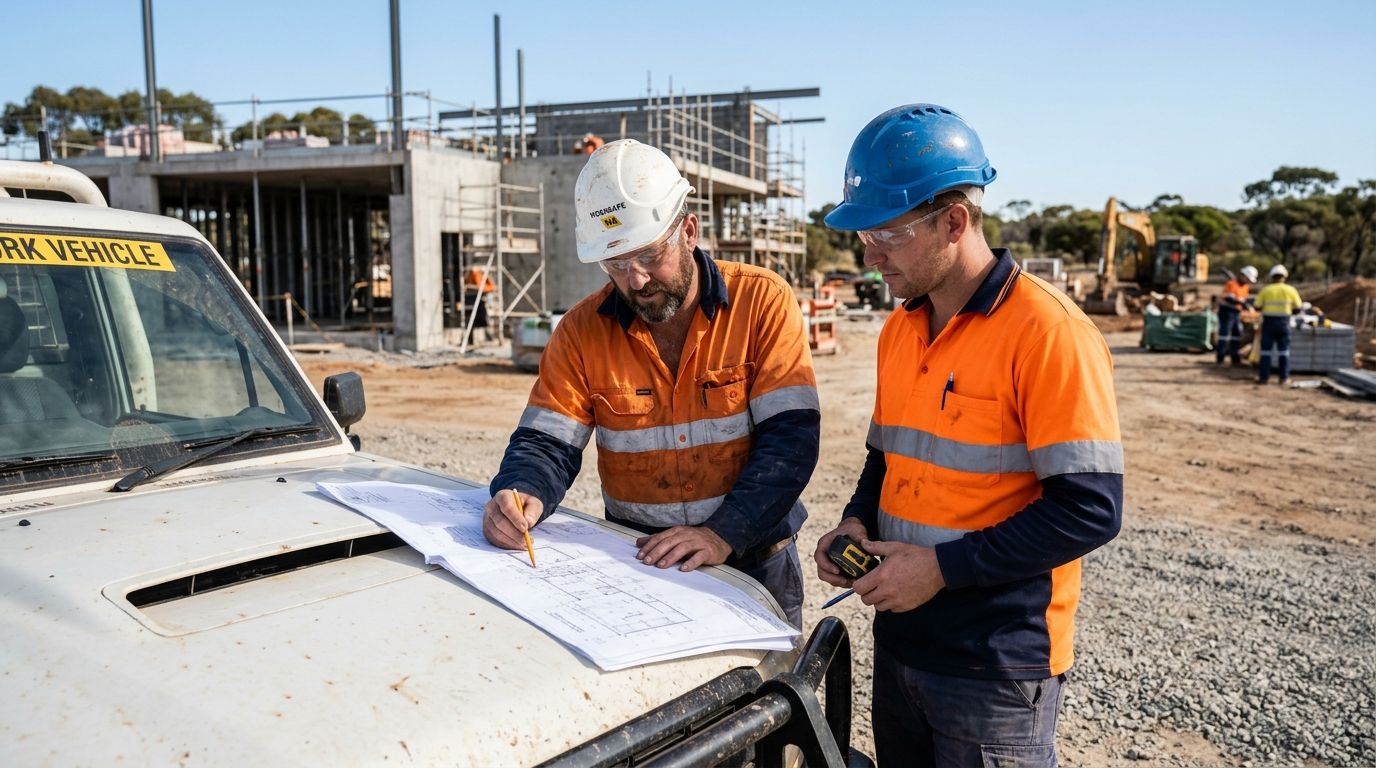
There is a pattern that repeats across WA construction businesses of every size. An experienced site supervisor joins the team. Their track record is strong. Their technical knowledge is obvious from the first week. The question of a formal Builders Licence comes up briefly during onboarding, gets noted as something to address later, and is quietly set aside as the work takes over.
Later never quite arrives.
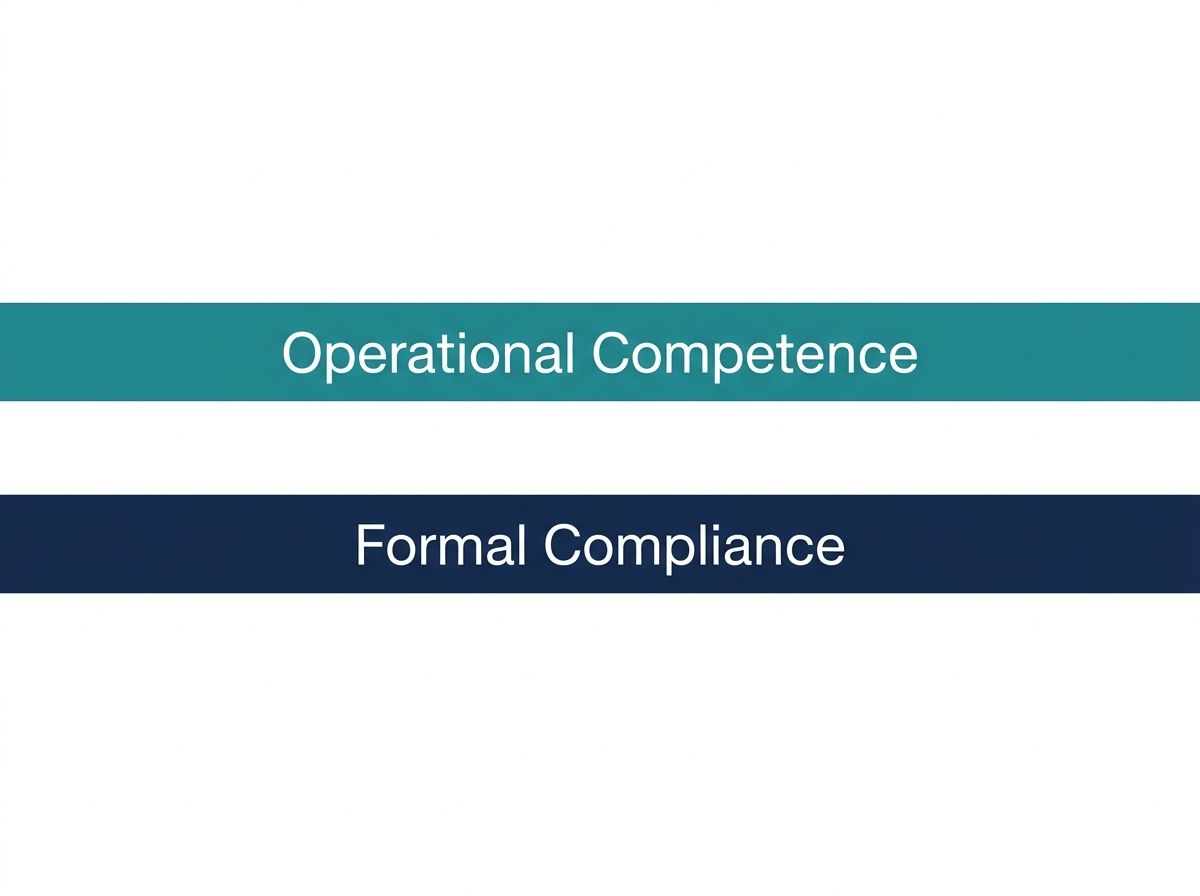
The supervisor delivers. Projects are completed. Clients are satisfied. The business grows. And somewhere in the background, a compliance gap accumulates — not because anyone was negligent, but because the assumption was that experience and formal registration were roughly equivalent. They are not.
This is not an isolated oversight. It is a recurring pattern across WA construction, and it creates a specific kind of exposure: the kind that is invisible until a trigger event makes it suddenly, urgently visible.
The capability is real. The paperwork has not caught up. That gap is what this article is about.
Stage 1: the experienced hire who does not have the licence
The pattern begins at the point of hire. A site manager or supervisor comes with years of project delivery behind them. They have managed crews, navigated subcontractors, read structural drawings, and solved the kind of problems that only come with time on site. Their competence is not in question.
The Builders Licence — or more precisely, the formal registration required under WA's building services legislation — is identified as a gap during the hiring process. The business makes a reasonable call: this person is clearly capable, the work needs doing, and the registration can be sorted once things settle down.
That is not an unreasonable decision in isolation. The problem is that 'once things settle down' rarely arrives on a construction site. The next project begins before the last one closes. The compliance gap persists, and the experienced supervisor continues to operate in a role that, in WA, may legally require a registered individual to be named.
The capability exists. The formal recognition does not. The business has not yet felt the difference.
Stage 2: the compliance exposure builds quietly
Construction licensing in WA is governed by the Building Services (Registration) Act 2011. The Act establishes the framework for who must hold a licence or registration to carry out or supervise building work in Western Australia. Operating outside that framework — or having unlicensed individuals in roles that require registration — carries legal consequences.
The specific penalty provisions of the Act are a matter of public record via the WA legislation website, and businesses operating in this space should be familiar with them. What matters here is the structural reality: unlicensed building work in WA can expose a business to regulatory penalties, create complications with insurance coverage, and — in some circumstances — affect the enforceability of contracts.
None of this is visible while the work is going well. The exposure accumulates quietly. The experienced supervisor continues to perform. The projects continue to deliver. The compliance gap continues to widen.
This is the nature of the pattern. The risk is real before it is felt.
Stage 3: the trigger that makes the gap visible
The pattern stays invisible until something forces it into view. In WA construction, that trigger typically takes one of several forms.
- A tender arrives requiring all named supervisors to hold current registration or licence documentation. The form asks for a licence number. There is no licence number to provide.
- An insurance renewal requires evidence of qualifications for supervisory staff. The insurer asks questions the business cannot answer cleanly.
- A client contract includes a clause requiring that all supervisory personnel hold appropriate registration for the work being performed. The clause was not noticed at signing.
- A Building Commission audit — whether proactive or complaint-triggered — requires the business to demonstrate that the right people hold the right credentials for the work being supervised.
At that moment, the gap that has been accumulating quietly becomes an urgent problem. The experienced supervisor — the one who has been delivering for months or years — cannot be named on the project. The business has to make a decision under pressure that it could have made at its own pace.
This is the moment the pattern becomes visible. It is also the moment most businesses find that their assumption about requalification was wrong.
Stage 4: the assumption that requalification is the only option
When the gap becomes visible, the instinctive response is to look at traditional requalification pathways. The supervisor would need to enrol in a Certificate IV in Building and Construction — the qualification that typically underpins the educational requirement for Builders Registration in WA — and complete the course through a registered training provider.
The business then works out what that means in practice. Months of study. Time off site. Disruption to project delivery. Cost. And for a supervisor who has been doing this work for a decade, the prospect of sitting through units covering material they already know and apply every day.
The calculation produces a number that feels too high. The fix is deferred. The pattern repeats.
The assumption driving that calculation is understandable. It is also incorrect. Traditional study is not the only pathway to the Certificate IV in Building and Construction. Recognition of Prior Learning exists precisely for this situation — and for many experienced construction supervisors, it is the more appropriate path.
What construction licences in Australia actually require — and where WA sits
Construction licensing in Australia is regulated at the state and territory level. There is no single national construction licence. Each jurisdiction has its own framework, its own regulatory body, and its own requirements for who must hold a licence and what that licence covers.
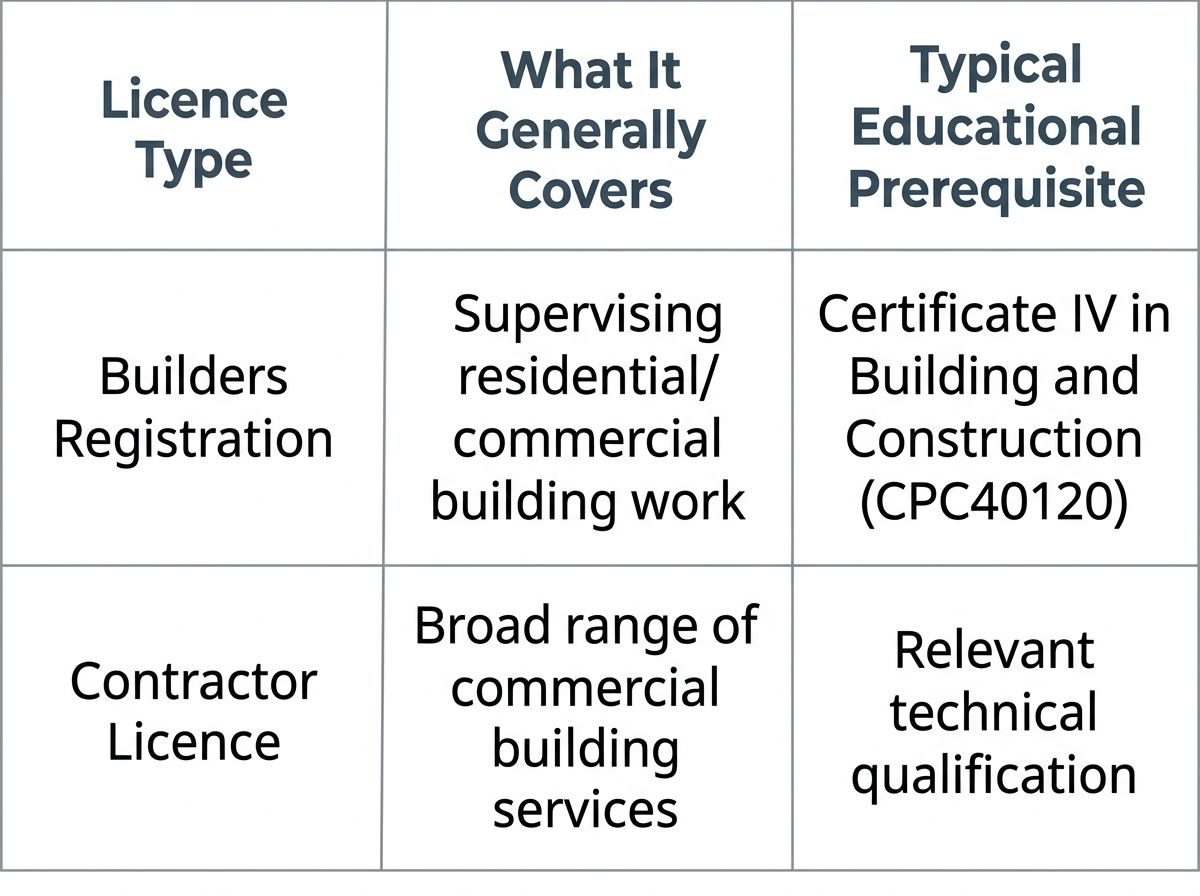
In Western Australia, the relevant framework is the Building Services (Registration) Act 2011, administered by the Building and Energy division of the Department of Mines, Industry Regulation and Safety — commonly referred to as the WA Building Commission. The Act establishes two primary categories of registration relevant to most construction businesses: Builders Registration and the Contractor Licence.
Builders Registration is generally required for individuals who carry out or supervise residential building work above a certain value threshold. The Contractor Licence covers a broader range of building services work. The specific activities covered by each, and the thresholds that trigger the requirement, are set out in the Act and associated regulations.
For the purposes of this article, the key point is this: in WA, the person supervising certain categories of building work is typically required to hold appropriate registration — not just the company they work for. This is the structural reason why an experienced but unregistered supervisor creates a compliance exposure for the business, not just for themselves.
The educational prerequisite for Builders Registration in WA typically includes a relevant qualification — with the Certificate IV in Building and Construction (CPC40120) being the qualification most commonly associated with the pathway. Businesses should confirm current requirements directly with the WA Building Commission, as requirements can change and individual circumstances vary.
RPL as the formalisation path: what it means for WA construction employers
Recognition of Prior Learning — RPL — is a formal assessment pathway within Australia's national vocational education and training system. It allows an individual's existing skills and knowledge to be assessed against the requirements of a qualification, without requiring them to repeat learning they have already effectively completed through years of practice.
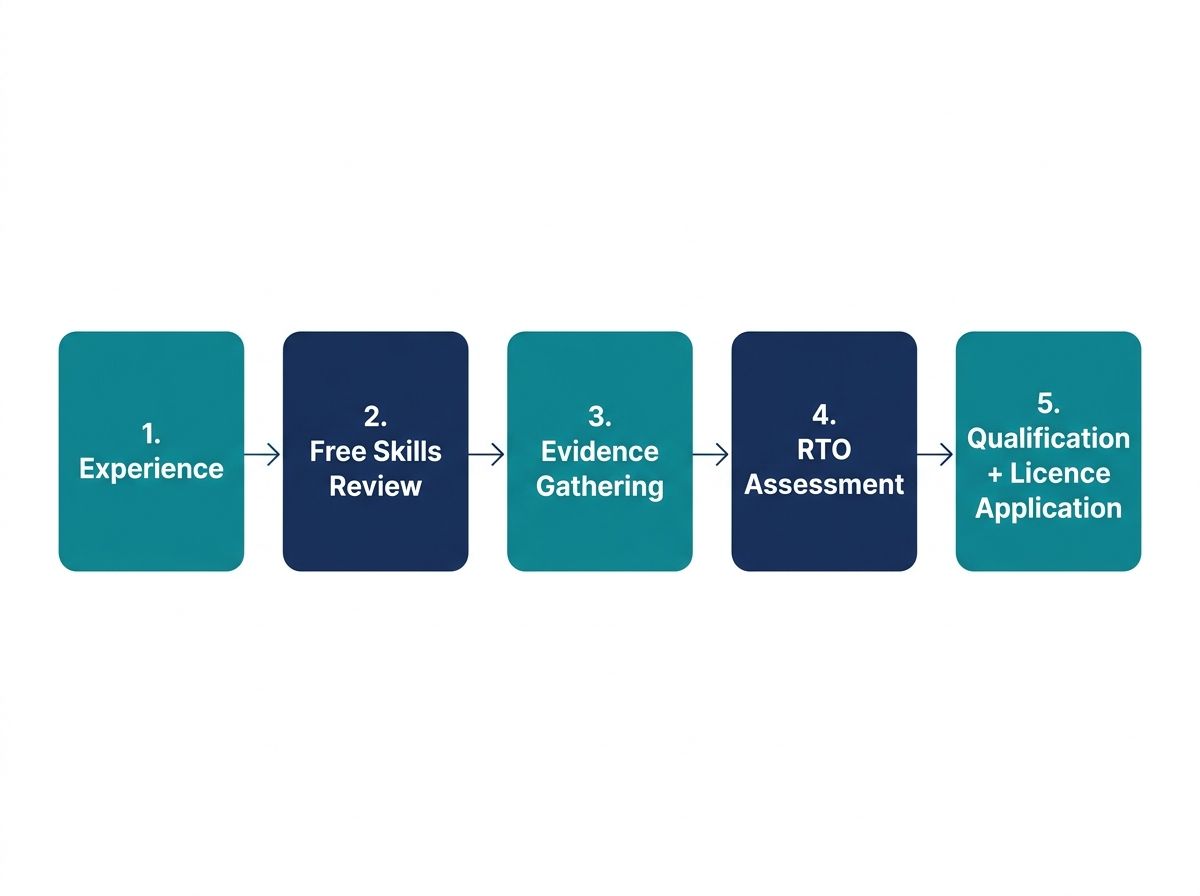
For an experienced construction supervisor who has spent a decade managing sites, reading plans, coordinating trades, and solving structural problems, the Certificate IV in Building and Construction does not represent new knowledge. It represents a formal articulation of knowledge they already hold. RPL is the mechanism by which that existing knowledge is assessed and, if demonstrated to the required standard, recognised through a nationally accredited qualification.
The assessment is conducted by a registered training organisation (RTO). RPL it guides candidates through the process — helping them identify and document the evidence that demonstrates their existing competency, and supporting them through the assessment. The qualification, if awarded, is issued by the RTO. It is nationally recognised because the assessment is genuine.
It is worth being clear about what RPL is and is not. It is not a shortcut. It is not a way to bypass legitimate assessment. If gaps are identified during the process — areas where the candidate's existing experience does not fully meet the qualification requirements — gap training is provided. The assessment is rigorous. The qualification, when awarded, reflects real competency.
For WA construction employers, the practical implication is this: an experienced supervisor who holds the Certificate IV in Building and Construction — whether through traditional study or through RPL — has satisfied the educational component of the pathway toward Builders Registration. Whether an RPL-assessed qualification satisfies the WA Building Commission's current requirements should be confirmed directly with the Commission, as this is a regulatory determination that sits outside RPL it's scope.
If you are looking at the WA Builders Licence pathway specifically, RPL it has a dedicated page covering what the process looks like for experienced construction professionals.
This quarter is the window
The pattern described in this article is not inevitable. It is a cycle that repeats because businesses defer a decision they could make now, before the trigger event forces it under pressure.
The window is the gap between the current compliance exposure and the next tender, audit, or insurance renewal. For many WA construction businesses, that window is open right now.
RPL assessment timelines vary depending on the individual candidate, the RTO, and the complexity of the evidence required. For experienced construction supervisors with strong project records and documented site experience, the process can move meaningfully within a quarter — though timelines depend on individual circumstances and should be discussed with the assessing RTO. What is clear is that acting before the trigger is less costly, less pressured, and more controlled than reacting after it.
Your supervisors have the experience. The question is whether the paperwork catches up before the next trigger does. The decision is yours.
General information only, current at the date shown. Licensing rules change, so check the current requirements with the relevant regulator before you rely on them. RPL it Australia is a student support service, not a Registered Training Organisation; qualifications are assessed and issued by our partner RTOs.