Who can actually issue a glazing certificate in QLD (and why it's probably not you yet)
Only a licensed glazier can issue a glazing certificate in Queensland. If you're experienced but unlicensed, here's what that means and how to change it.
By RPL it Australia8 min read

Only a licensed glazier can issue a glazing certificate in QLD
In Queensland, only a person holding a current QBCC trade licence in the glass, glazing and aluminium class can issue a glazing certificate. This is a strict licensing requirement, not an industry convention. If you do not hold that specific licence, you cannot legally issue the certificate, regardless of how long you have been doing the work or how skilled you are.
That is the direct rule. This guide explains what this means for your daily work, and whether the gap between your current practical experience and the formal licence is smaller than you think.
What is a glazing certificate?
A glazing certificate is a formal compliance document. It confirms that safety glazing work has been completed by a licensed glazier and meets the required Australian Standards. It is not a training certificate or a product warranty; it is the licensed tradesperson's formal declaration that the finished work complies with the law.
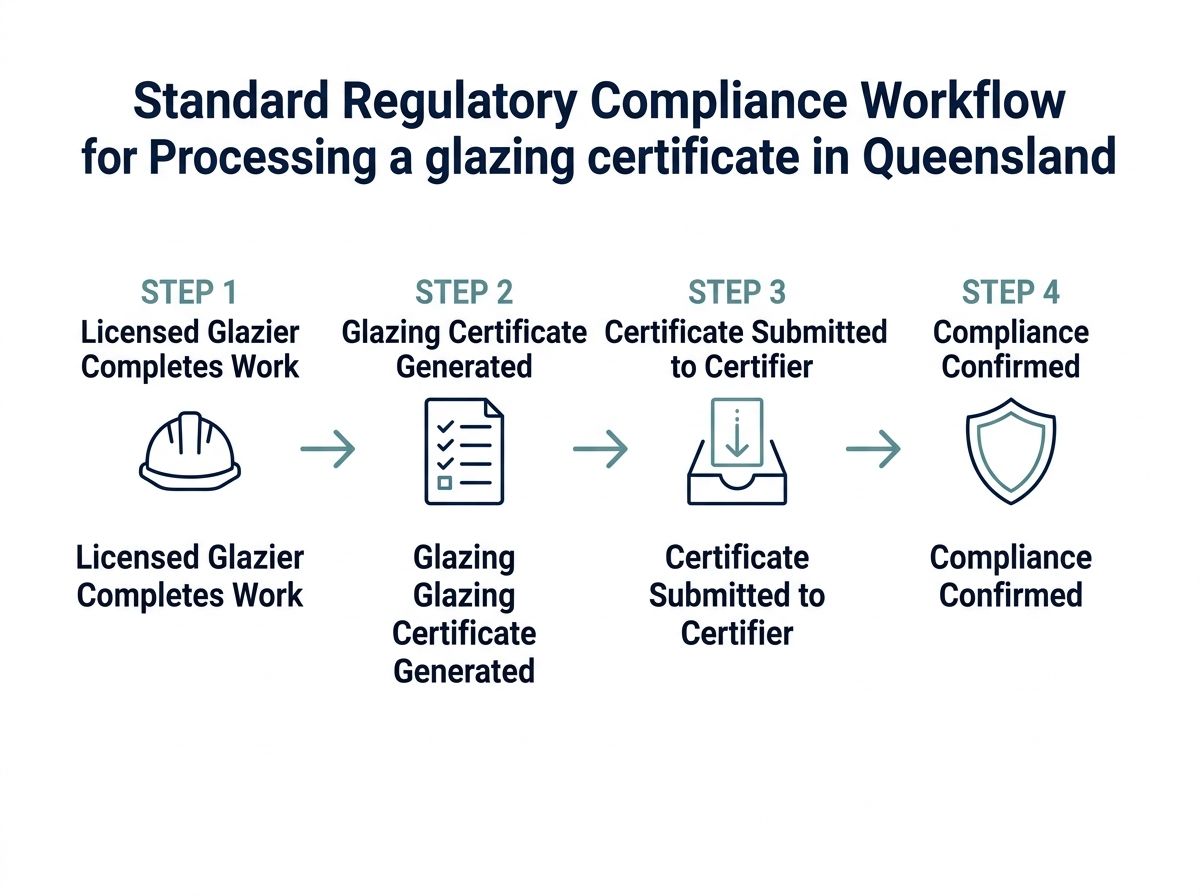
Glazing certificates are typically required for safety-critical glazing installations. This includes glass in doors, windows, balustrades, and other areas where glass failure could cause injury. Building certifiers and clients rely on these documents as part of the official compliance record for a building project. The certificate is only valid if it is issued by someone holding the correct licence class.
This is why the rules around who can issue certificates are so critical. It is not just a bureaucratic technicality. It is the difference between work that is legally certified and work that is not. In Queensland, that line is determined entirely by whether you hold the required licence.
The QBCC licensing requirements for glass and glazing
The Queensland Building and Construction Commission (QBCC) is the statutory body that issues trade licences for glass, glazing and aluminium work in Queensland. The QBCC lists this as a distinct trade licence class.
To hold a QBCC licence in this class, you must meet the qualification and experience requirements set by the QBCC. The Certificate III in Glass and Glazing (MSF30422) is the nationally recognised trade qualification for glaziers in Australia, and is the primary qualification pathway associated with this licence class.
It is important to understand what this means in practice. The QBCC sets its own standards for licence applications, and these criteria can change over time. Before you apply, you should verify the current qualification and experience requirements directly with the regulator. However, the core fact remains that the Certificate III in Glass and Glazing is the recognised trade qualification for this work, and glazing is a licensed activity in Queensland.
The QBCC publishes the full list of available trade licence classes, including glass, glazing and aluminium, on its official website.
For a detailed overview of the Queensland glass and glazing trade licence pathway, including what the process involves and how RPL fits in, visit the RPL it Trade Licence QLD Glass Glazing page.
Where does your experience sit?
Most people looking up who can issue a glazing certificate are not asking out of academic curiosity. They are trying to figure out where they stand in the industry. You can use these categories to identify your position.
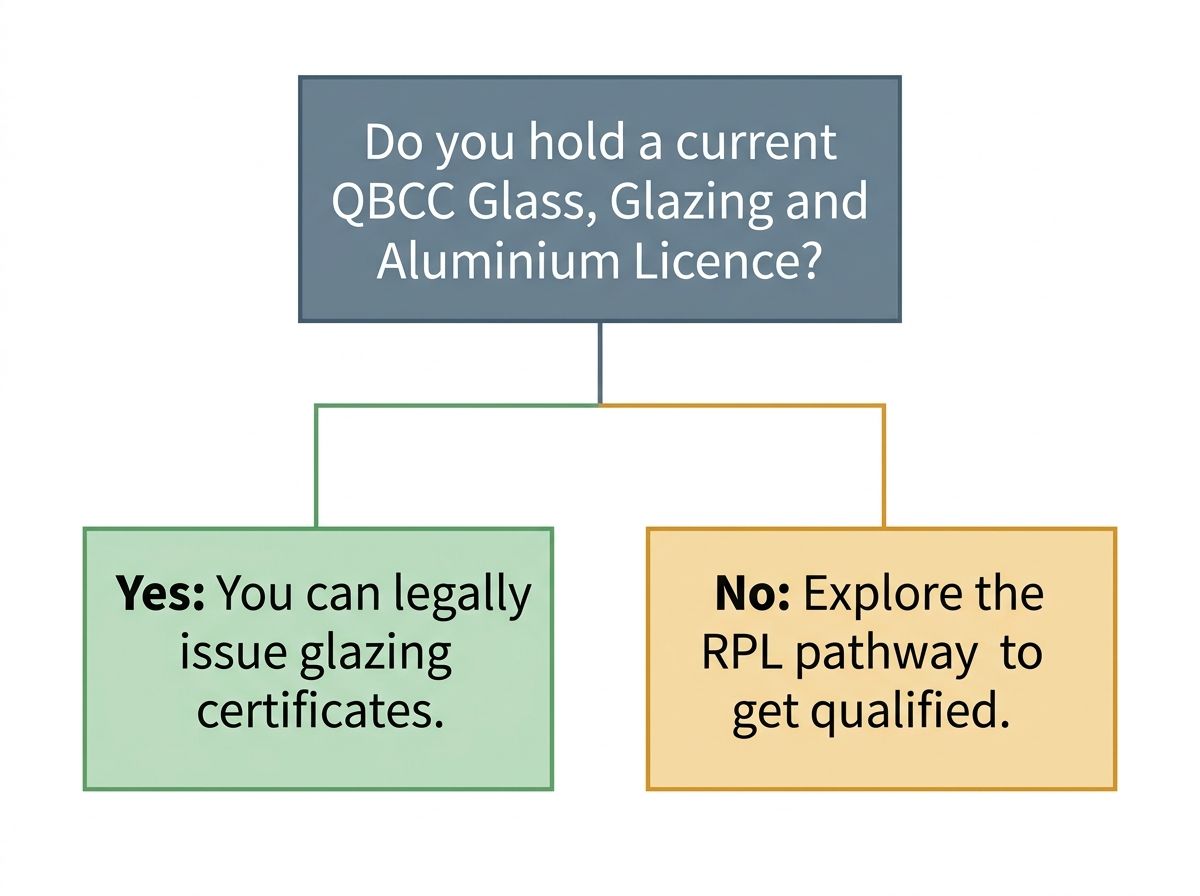
- If you hold a current QBCC licence in the glass, glazing and aluminium class, you can issue a glazing certificate. You are already on the licensed side of the line.
- If you work for a licensed glazier and complete work under their supervision, the certificate is issued by the licence holder, not by you. Your work is covered by their licence, but you cannot sign off the certificate yourself.
- If you run your own glazing business or work as an independent subcontractor and issue your own certificates, you must hold the licence in your own name. Working under someone else's licence does not allow you to provide independent compliance certification.
- If you have years of glazing experience but have never applied for a QBCC licence, you are likely in the gap. Your skills are real, but the formal paperwork is not yet in place.
This is a common position to be in. Many experienced glaziers operate in exactly this situation. They do the work, they do it well, but they find themselves in a licensing grey area. The real question is how you can resolve it.
Why experience alone is not enough to issue certificates
This is the central issue for many trade professionals. You may have installed hundreds of glazing systems over the years. You might know the Australian Standards for safety glass better than many people who already hold the licence. You may have even trained other glaziers on site. However, none of that practical experience automatically gives you the legal right to issue a glazing certificate in Queensland.
The right to certify comes from holding the licence. The licence requires a qualification. The qualification is the formal system's method of verifying that your competency has been assessed against a national standard.
Your experience is real, and the gap is not about what you can do on site. It is about what the licensing system can verify on paper. This distinction matters because it means your barrier is administrative, not competence-based. It is a paperwork issue, not a skills issue.
This same pattern plays out across various licensed trades. Experienced tradespeople working without formal credentials are very common, and the pathway to resolving this situation does not require you to start your training from scratch.
How experienced glaziers can get licensed in QLD
The Certificate III in Glass and Glazing (MSF30422) is the nationally recognised trade qualification for glaziers. It covers the skills involved in manufacturing, processing, moving, and installing glass products across both residential and commercial projects.
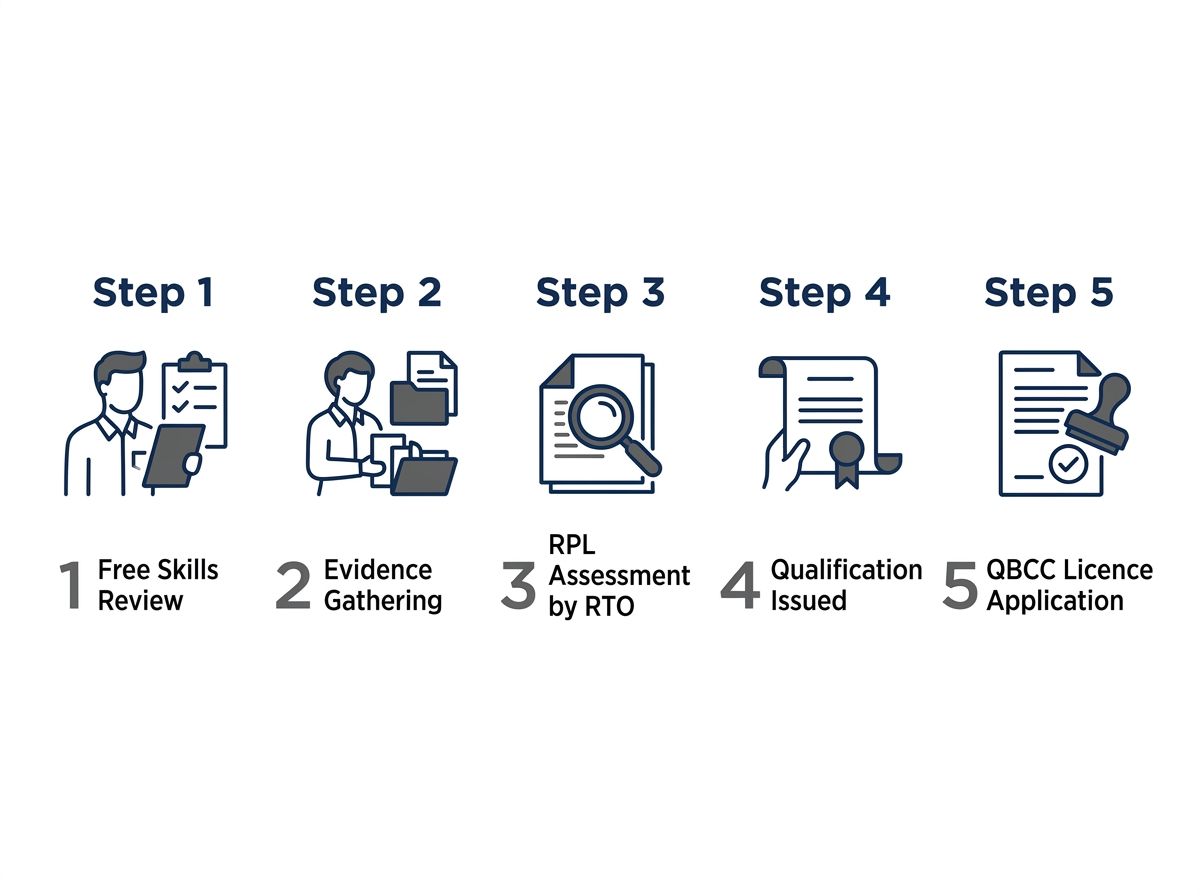
For experienced glaziers, the practical pathway is Recognition of Prior Learning (RPL). RPL is a formal assessment process where a qualified assessor from a partner Registered Training Organisation (RTO) evaluates your existing skills and knowledge against the units of competency in the qualification. If your experience demonstrates the required competency, the partner RTO issues the qualification. RPL it guides you through this process, while the partner RTO conducts the official assessment and issues the qualification.
RPL is not a shortcut, but a genuine assessment of your practical abilities. The outcome is a nationally recognised qualification based on your real-world experience. If any learning gaps are identified during the assessment process, they are addressed through targeted gap training at no additional cost to you.
The qualification structure for MSF30422 typically involves completing a set of core and elective units of competency. The exact packaging rules are set by the national training package and confirmed by the delivering RTO. It is highly recommended to check the current requirements on training.gov.au before you begin.
The MSF30422 qualification is delivered by multiple registered training organisations across Australia, and the full scope and unit structure can be confirmed on the national training register.
What evidence do you need for a glazing RPL assessment?
One of the main concerns experienced glaziers have about RPL is that they do not have the right paperwork. In most cases, however, they have more evidence than they realise. It simply needs to be identified and organised properly.
RPL assessors look for evidence that demonstrates practical competency across the units in the qualification. For glaziers, this commonly includes the following items:
- Photographs of your completed glazing work, including installations, safety glazing, and commercial projects
- References from employers, supervisors, or clients who can verify the quality and scope of your trade work
- Employment records showing your history in the glazing trade
- Any training records, certificates of attendance, or prior qualifications you have obtained over the years
- Documentation of specific projects, such as job sheets, invoices, plans, or site records
- Evidence of tool ownership and familiarity with standard glazing equipment and materials
The specific evidence requirements depend on the units being assessed and the RTO conducting the assessment. The RPL it team can help you understand which evidence is relevant to your situation before you make any decisions about the process.
The Austra College course page for MSF30422 notes that RPL policies and processes are explained to prospective learners prior to enrolment, which is a useful starting point for understanding what the assessment involves.
Your first step: A Free Skills Review
You have the trade experience. The key question is whether that experience is sufficient for RPL, and the honest answer is that only a proper suitability assessment can confirm this.
The Free Skills Review is exactly that suitability assessment. It is a straightforward conversation about your background, your work history, and whether RPL is the right option for you. The review is completely free, with no obligation or commitment to proceed. The goal is clarity, not a sales pitch.
If your experience is a strong match for the Certificate III in Glass and Glazing, the review will confirm that. If there are gaps in your documentation or experience, the review will help you identify those too. Either way, you get a clear picture of where you stand.
Getting your skills recognised should not mean starting your career over. If you have been doing this work for years, the pathway to your QLD glazing licence may be much shorter than you think.
General information only, current at the date shown. Licensing rules change, so check the current requirements with the relevant regulator before you rely on them. RPL it Australia is a student support service, not a Registered Training Organisation; qualifications are assessed and issued by our partner RTOs.