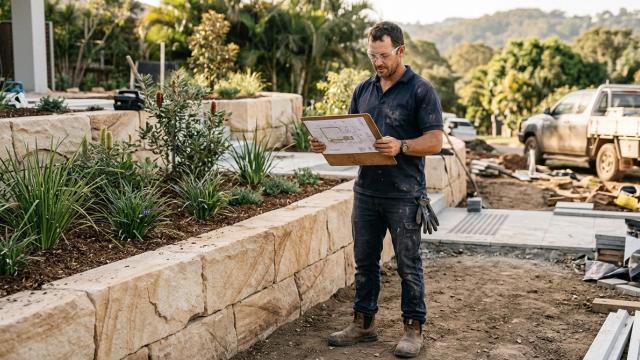
The landscaping licence checklist for experienced tradespeople
Working in landscaping in QLD? Use this self-diagnostic checklist to see if your work history qualifies for an RPL licence assessment.
By RPL it Australia7 min read
The licence requirement that catches experienced landscapers off guard
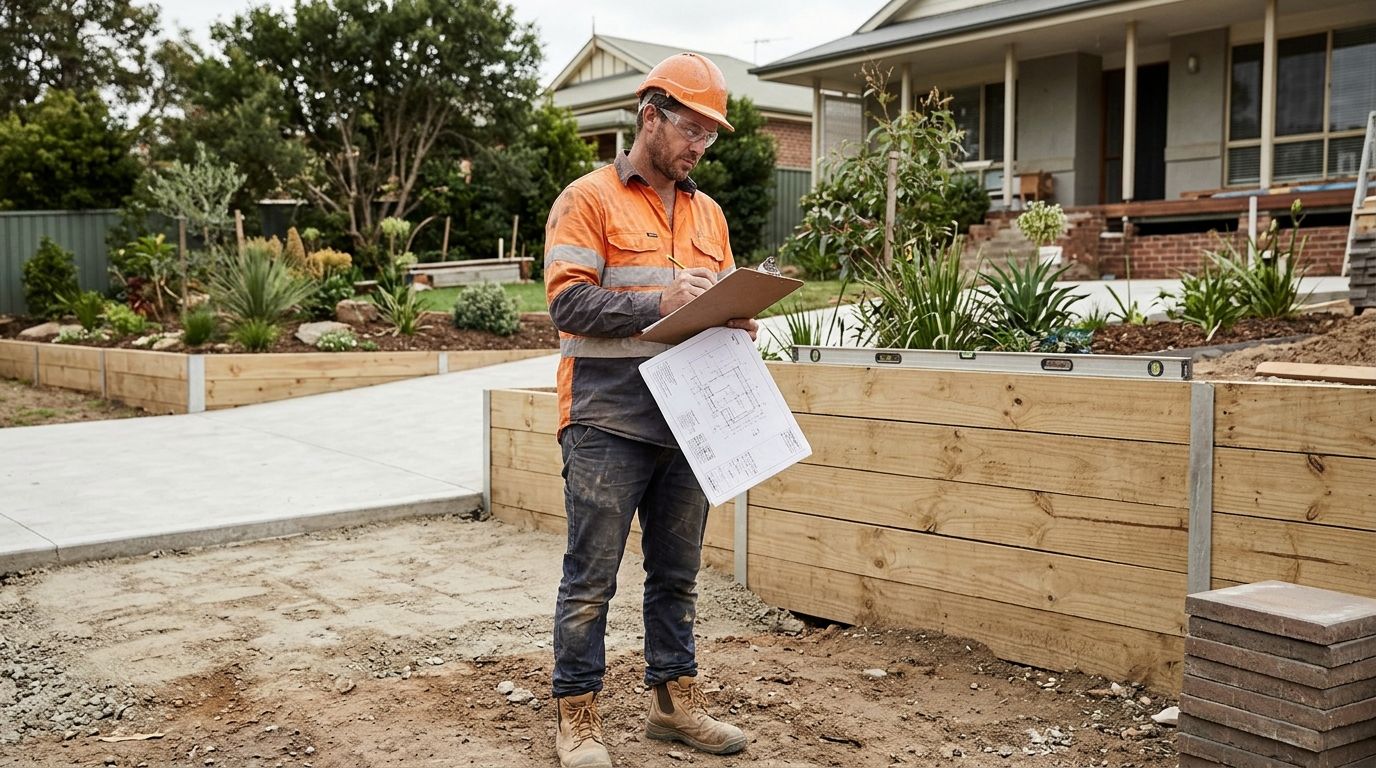
You have been doing this work for years. You know how to read a site, manage a crew on site, and build a retaining wall that will still be standing in twenty years. Then a tender document arrives, or an insurer asks a question, or a client wants to see your licence. Suddenly, the conversation is about paperwork rather than your actual skills.
This moment catches a lot of experienced landscapers off guard. It is not because they lack competence, but because Queensland has specific licensing requirements for certain categories of landscaping work. Many professionals who have been doing this work for years have simply never needed to formalise their qualification before.
This checklist is designed for those tradespeople. It is a practical self-diagnostic tool to help you determine whether your existing work history is likely to qualify for Recognition of Prior Learning (RPL) as a pathway toward your formal licence. It is not a guarantee of eligibility, but rather an honest starting point.
What the QLD landscaping licence actually requires
In Queensland, certain landscaping work, especially work involving structural elements, requires a licence issued through the Queensland Building and Construction Commission (QBCC). The licence category relevant to most professional landscapers is the Structural Landscaping licence. This covers work such as constructing retaining walls, installing irrigation systems, and building other permanent structures.
The QBCC requires applicants to hold a relevant qualification or satisfy the technical requirements for this licence category. For most, this means holding a nationally recognised qualification in landscape construction, typically at a Certificate III level or higher.
Recognition of Prior Learning (RPL) is an accepted pathway to obtain that qualification. Rather than completing a full course from scratch, the RPL process allows your existing work experience to be assessed against the competency units of the qualification. If your experience demonstrates the required skills, you can be awarded the qualification, which then supports your licence application.
The specific qualification requirements and licensing criteria are set by the QBCC and can change. Before making decisions, we recommend verifying the current rules directly with the QBCC or through a Registered Training Organisation (RTO) that delivers the relevant qualification.
For more details on the RPL pathway for the QLD landscaping licence, read our dedicated guide.
How RPL turns work history into a licence pathway
Recognition of Prior Learning (RPL) is a formal assessment pathway within Australia's national training system. It exists because professional competence can be built through practical work on site, not only through classroom study. An RPL assessment evaluates whether your existing skills and knowledge meet the requirements of a qualification's units of competency, using evidence drawn from your actual work history rather than from coursework.
If your RPL assessment shows that you meet all the required competency units, you will be awarded the qualification. If gaps are identified, targeted gap training can address those specific areas. You do not need to repeat any units where your competency has already been clearly demonstrated.
RPL is a rigorous, formal assessment process. It is not a shortcut or a workaround. The qualification you receive through RPL carries the exact same standing as one earned through traditional study, because the assessment standard is identical. What changes is the evidence base, which relies on your actual work rather than coursework.
The self-diagnostic checklist: does your work history qualify?
The checklist below is organised around the specific types of work that RPL assessors typically evaluate for landscaping qualifications. Work through each section honestly. The goal is not to tick every single box, but to get a realistic picture of where your experience is strong and where gaps might exist.
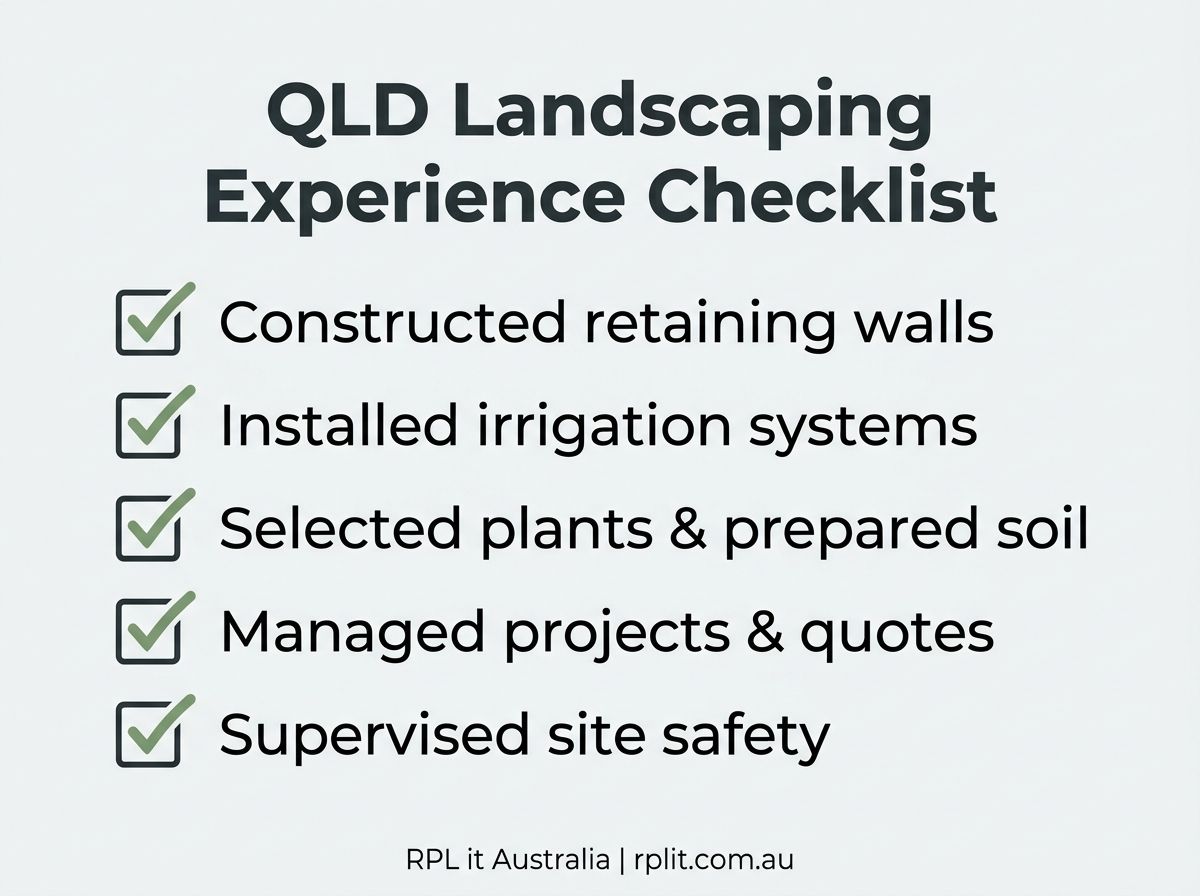
This is a self-assessment guide, not a formal eligibility determination. A proper assessment requires a qualified assessor to review your specific evidence, but this checklist will give you a clear starting point.
Landscape construction and structural work
- Have you constructed retaining walls, garden edging, or other structural landscape elements as part of your regular work?
- Have you installed paving, decking, steps, or other hard landscaping features?
- Have you built pergolas, garden structures, or outdoor living elements as part of landscaping projects?
- Have you worked on projects involving earthworks, site preparation, or drainage solutions?
- Have you completed projects where you were responsible for the structural integrity of the finished work, not just the appearance?
Irrigation and water management
- Have you designed and installed irrigation systems for residential or commercial properties?
- Have you worked with drip irrigation, pop-up systems, or automated watering controllers?
- Have you troubleshot or repaired irrigation systems as part of your regular work?
- Have you managed water-efficient planting or drainage solutions on landscaping projects?
Planting, soil, and horticultural knowledge
- Have you selected and specified plants for landscaping projects based on site conditions, climate, and client requirements?
- Have you prepared soil, applied mulch, and managed planting beds as part of construction projects?
- Have you worked with turf installation, lawn preparation, or sports turf management?
- Do you have practical knowledge of plant health, pest management, or soil nutrition in a professional context?
Project management and client work
- Have you managed landscaping projects from initial quote through to completion?
- Have you supervised other workers, subcontractors, or apprentices on landscaping sites?
- Have you prepared quotes, site plans, or project documentation for clients?
- Have you managed project timelines, materials procurement, and site logistics?
- Have you dealt directly with clients to understand their requirements and deliver to a brief?
Safety and compliance
- Have you worked under a site safety plan or contributed to safety documentation on landscaping projects?
- Do you hold a White Card (Construction Induction Training) or equivalent?
- Have you managed risks associated with excavation, plant operation, or working near utilities?
- Have you worked on projects that required compliance with local council requirements or building codes?
What counts as evidence, and what does not
Ticking the boxes above is a useful starting point. However, RPL requires documented evidence of your skills, not just years spent on the job. The good news is that most experienced landscapers have far more evidence than they realise. It just needs to be identified and organised properly.
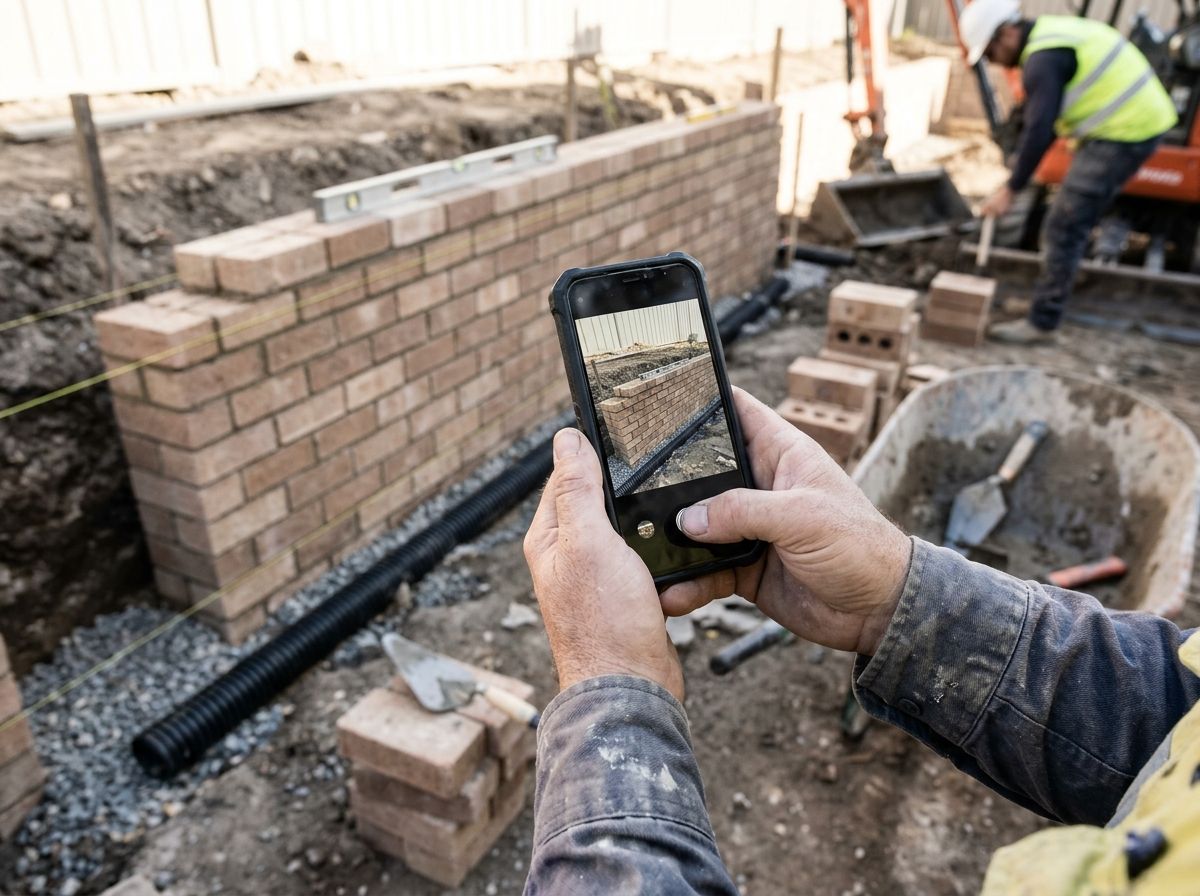
Evidence that RPL assessors look for when reviewing landscaping qualifications includes:
- Photographs of completed projects showing before, during, and after construction phases
- Client references or testimonials that describe the scope and quality of your work
- Invoices, quotes, or contracts that demonstrate the type and scale of projects you have managed
- Employment records, payslips, or letters from employers confirming your role and responsibilities
- Site plans, drawings, or specifications you have prepared or worked from
- Safety documentation, induction records, or licences you hold, such as a White Card or plant operation tickets
- Supplier accounts or materials purchase records that reflect the scale of your projects
If you are self-employed, you may not have formal employer records. However, client references, invoices, and project photographs can serve a similar purpose. An RPL assessor will work directly with you to identify what evidence you have and how it maps to the qualification requirements.
What does not count as evidence: general statements about how long you have been working in the industry, or claims about your skill level without supporting documentation. The assessment is strictly evidence-based, which means the assessor needs to see, not just hear, what you can do.
What happens if your checklist has gaps
Not everyone who works through this checklist will find that their experience covers every area. That is not a problem, but it is worth understanding what it means.
RPL is not an all-or-nothing process. If your assessment demonstrates competency in most of the required units but identifies gaps in specific areas, targeted gap training can address those units. This prevents you from having to repeat the entire qualification. Gap training is practical and focused specifically on those units where your evidence is thin, not on areas where you are already capable.
If your checklist reveals significant gaps, for example, if your work has been primarily in garden maintenance rather than structural landscape construction, RPL may not be the most efficient pathway for you. Alternatively, you might need more substantial gap training than expected. An honest suitability assessment is the right first step before you commit.
The Free Skills Review exists for exactly this reason. It is a direct, no-obligation conversation about your specific background, not a sales pitch. If RPL is not the right pathway for your career goals, we will tell you that directly.
Your next step: a Free Skills Review
You have completed the self-assessment. You now have a clearer picture of where your experience is strong and where questions remain. The next step is finding out what that picture looks like to a qualified RPL assessor.
The Free Skills Review is a no-cost, no-obligation assessment of your specific work history against the requirements of the QLD landscaping licence pathway. It is not a commitment to enrol. It is an honest conversation about whether RPL is likely to work for you, and what the pathway looks like if it does.
Your skills speak. We help them be heard.
Ready to explore the QLD landscaping licence pathway in more detail?
General information only, current at the date shown. Licensing rules change, so check the current requirements with the relevant regulator before you rely on them. RPL it Australia is a student support service, not a Registered Training Organisation; qualifications are assessed and issued by our partner RTOs.