What a diploma of logistics actually assesses — and why you might already qualify
The Diploma of Logistics (TLI50224) assesses real supply chain and operations work. See how your existing workplace experience maps to this qualification.
By RPL it Australia7 min read
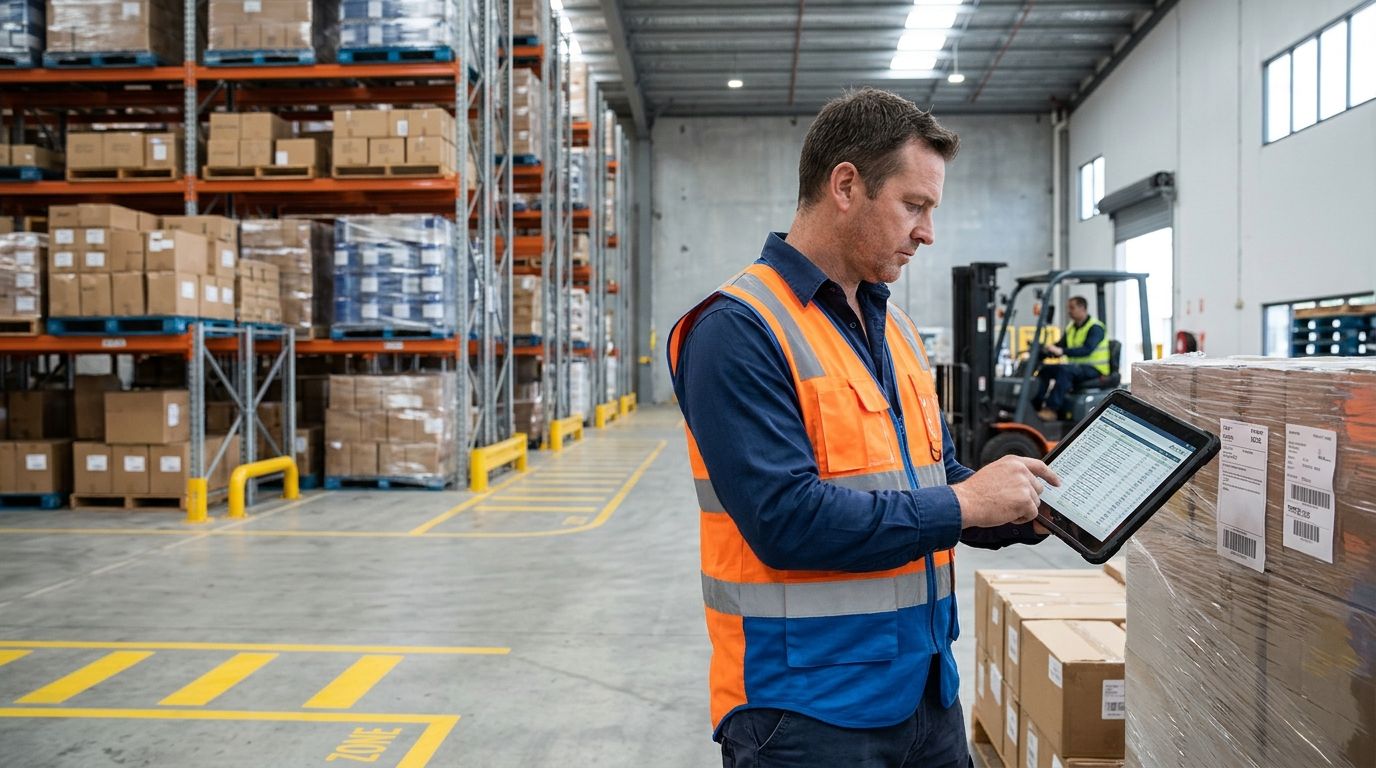
What the Diploma of Logistics actually covers
The Diploma of Logistics (TLI50224) is a nationally recognised qualification at the diploma level of the Australian Qualifications Framework. Most people searching for it expect a course description detailing subjects, modules, and assessments. This qualification operates differently.
The diploma is a formal recognition of competency. It describes what a logistics professional can do, rather than what they have been taught in a classroom. The qualification's units map to actual operational responsibilities: coordinating supply chains, managing transport operations, overseeing inventory, leading teams, and maintaining compliance. If you have been doing this work in logistics, a related operations role, or an industry where supply chain management was central to your job, the diploma assesses competencies you already use daily.
This distinction is important. It is the difference between starting a study course and demonstrating what you already know. The pathway for this second option is Recognition of Prior Learning (RPL). The assessment is conducted by a qualified assessor from a registered training organisation. RPL it guides candidates through preparing and presenting their evidence.
The five areas the diploma assesses — and what they look like in practice
The Diploma of Logistics covers core competency areas that experienced logistics and operations professionals will recognise immediately. Here is how those areas function in practice.
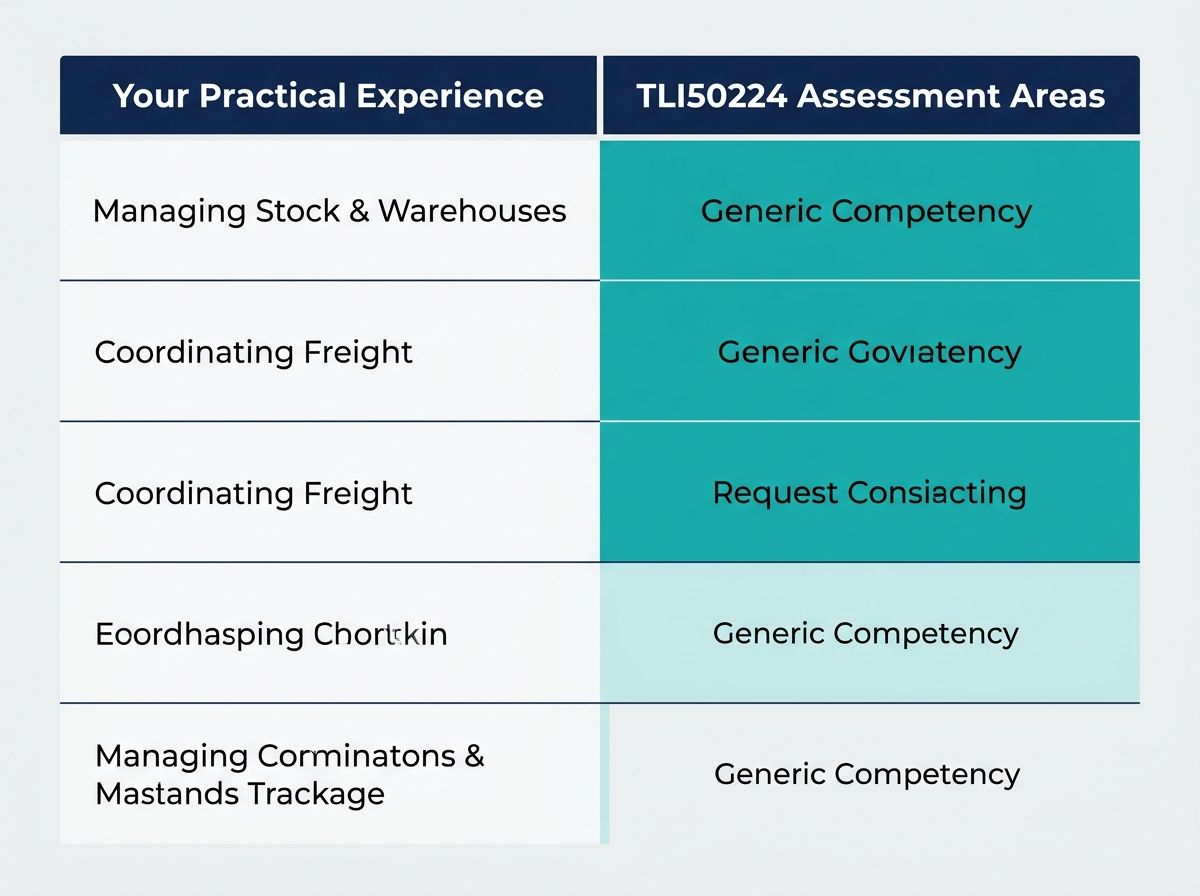
Supply chain coordination
This covers the end-to-end flow of goods from supplier to customer, across multiple transport modes and storage points. If you have managed inbound and outbound freight schedules, coordinated with third-party logistics providers, monitored shipment tracking, and resolved issues when things go wrong, you are working in this competency area. The diploma assesses whether you can manage this systematically using your own judgement, rather than just executing basic tasks.
Transport operations management
This covers the planning, coordination, and oversight of transport activities by road, rail, air, or sea. If you have been responsible for carrier selection, route planning, freight documentation, or transport cost management, this is your field. The diploma does not require you to drive heavy vehicles. It requires you to manage the systems and people that move freight.
Inventory and warehousing operations
This covers stock management, warehousing systems, and the accuracy of inventory records. If you have managed stock replenishment cycles, investigated discrepancies between physical stock and system records, overseen pick-and-pack operations, or managed a warehouse team, this competency area represents your daily work. The diploma assesses whether you can manage inventory using analysis and decision-making, rather than just counting stock.
Team leadership and workforce coordination
Diploma-level qualifications in logistics include a leadership dimension. This covers supervising teams, allocating work, managing performance, and supporting staff development. If you have led a team, even informally as a senior operator or team leader, this competency area is relevant to your experience. The diploma assesses your ability to lead a logistics team rather than work solely as an individual team member.
Compliance, safety, and risk management
This covers workplace health and safety obligations, regulatory compliance in transport and logistics, and the management of operational risk. If you have been responsible for ensuring your team follows safe work procedures, maintained compliance with transport regulations, or managed incident reporting, this area is part of your existing skills. It is one of the most commonly overlooked areas in self-assessment, as experienced logistics professionals often do this work without recognizing it as a formal competency.
Roles that typically map well to this qualification
You have the experience. The question is whether the diploma's unit descriptions match it.
The Diploma of Logistics aligns well with roles such as logistics coordinator, supply chain coordinator, warehouse supervisor, freight operations supervisor, distribution centre team leader, transport operations manager, or inventory controller. It also maps to operations managers from adjacent industries, including hospitality, retail, manufacturing, or construction, where supply chain coordination, inventory management, and team leadership were central to the position.
If you have spent years managing the movement of goods, coordinating with suppliers and carriers, overseeing stock accuracy, and leading a team, regardless of your official job title, the diploma describes work you have already performed.
What the assessment actually involves — and what it does not
Pursuing the Diploma of Logistics through RPL does not require returning to a classroom. It is a process of presenting evidence that you already meet the qualification's competency standards.
This evidence typically includes position descriptions reflecting your responsibilities, work samples such as reports, schedules, or plans you have produced, reference letters from supervisors or clients, and a structured interview or workplace observation with the assessor. The exact requirements depend on the registered training organisation conducting your assessment.
The work involved in RPL is real. Gathering, organising, and presenting evidence takes time and effort. It is not a shortcut, but a pathway that recognises what you have already achieved instead of requiring you to study what you already know. If any gaps are identified during the assessment, gap training may be required. Where this applies, it is provided at no additional cost.
The assessment is conducted by a qualified assessor from the delivering registered training organisation. RPL it guides you through the preparation process, helping you understand what evidence is needed, how to present it, and what to expect. The final decision about competency rests with the assessor.
Self-assessment: How much of this qualification do you already cover?
Work through the following questions to see how your background compares. These questions are a starting point to help you understand where your experience sits relative to the diploma's competency areas.
On supply chain coordination: Have you planned and coordinated the movement of goods across multiple stages of a supply chain, from supplier to warehouse to customer? Have you managed relationships with third-party logistics providers, monitored freight in transit, and resolved issues when shipments were delayed or damaged?
On transport operations: Have you selected carriers or transport modes based on cost, time, and compliance? Have you managed freight documentation, such as consignment notes, customs declarations, or dangerous goods paperwork? Have you been accountable for transport costs within a budget?
On inventory management: Have you been responsible for maintaining accurate stock records across a warehouse management system? Have you managed stock replenishment cycles, investigated discrepancies, and reported on inventory performance? Have you overseen a stocktake or cycle count process?
On warehousing operations: Have you supervised or coordinated pick-and-pack, receiving, or despatch operations? Have you been responsible for the layout, safety, and efficiency of a storage facility? Have you managed the throughput of a distribution centre or warehouse?
On team leadership: Have you supervised a team of two or more people in a logistics or operations environment? Have you allocated work, managed rosters, addressed performance issues, or supported the onboarding of new team members?
On compliance and safety: Have you been responsible for ensuring your team followed safe work procedures? Have you maintained compliance with transport regulations, such as chain of responsibility, load restraint, fatigue management, or dangerous goods? Have you managed incident reporting or participated in a safety audit?
On planning and analysis: Have you produced operational reports, forecasts, or plans that informed management decisions? Have you identified inefficiencies in logistics processes and proposed or implemented improvements?
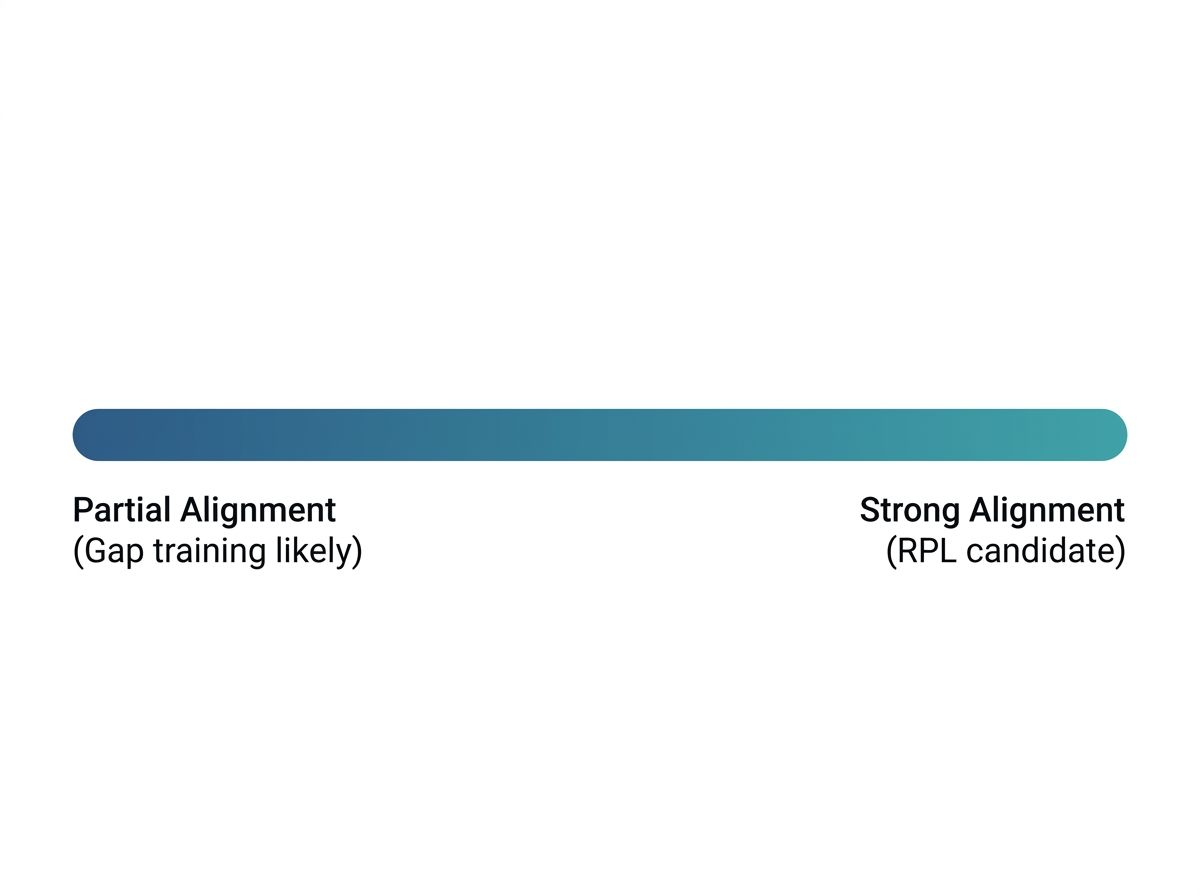
If you answered yes to most of these questions, you are likely operating at a diploma level. If you answered yes to some but not others, partial alignment is common, and gap training can address specific areas where your evidence is thin. If you are unsure how your experience translates to a formal assessment, a Free Skills Review is designed to clarify your options.
If your experience aligns — what happens next
Your skills are your proof. The next step is determining whether the evidence you can present meets the assessor's requirements.
The Diploma of Logistics (TLI50224) qualification page has more detail on the qualification itself and the RPL pathway available through RPL it.
If your self-assessment suggests a strong alignment, the next step is a Free Skills Review. This is not a sales call, but a direct conversation about whether your logistics experience is likely to meet the TLI50224 assessment standard. There is no cost, no obligation, and no commitment required. The decision is entirely yours.
General information only, current at the date shown. Licensing rules change, so check the current requirements with the relevant regulator before you rely on them. RPL it Australia is a student support service, not a Registered Training Organisation; qualifications are assessed and issued by our partner RTOs.