From head gardener to horticulture manager on paper, not just in practice
If you manage teams, budgets, and plant programs without the Diploma of Horticulture Management on paper, your experience may already be the evidence.
By RPL it Australia5 min read
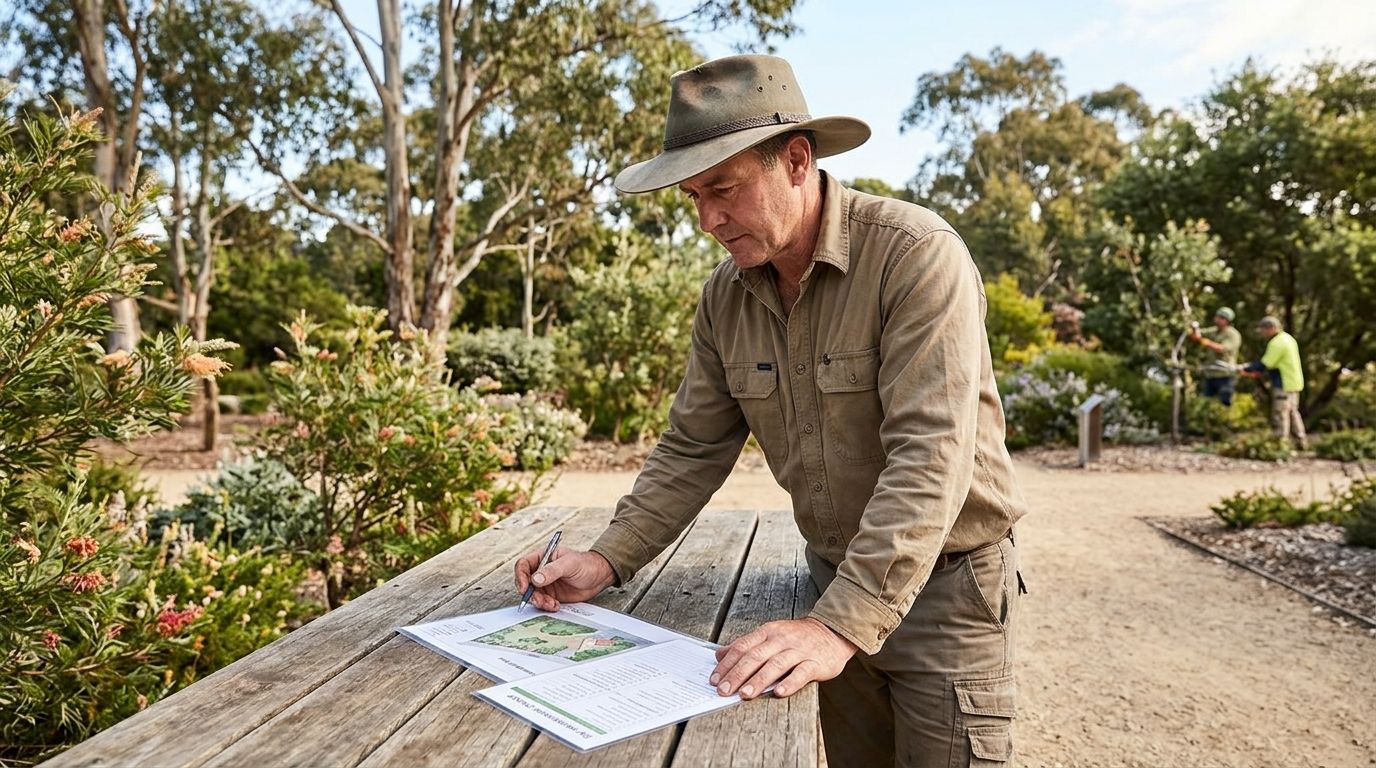
The job title changed, but the paperwork did not.
You manage a team. You plan seasonal programs, oversee plant health, coordinate contractors, and control a maintenance budget. You brief staff, report to leadership, and make the daily decisions that keep a site running. In practice, you are already performing the role of a horticulture manager.
Your formal employment file, however, might state something completely different.
For many experienced horticulture professionals working across Australia, the formal qualification—the Diploma of Horticulture Management (AHC50422)—was never part of the original conversation. You rose through the ranks from hands-on propagation and maintenance to team leadership and full operational management. The job changed, but your official records did not.
This gap between your daily on-site responsibilities and what is listed on your resume is real. It is starting to matter in ways it did not in the past.
What the Diploma of Horticulture Management actually covers
The Diploma of Horticulture Management (AHC50422) is a nationally recognised qualification within the Australian Qualifications Framework. It is not an introductory course for beginners, but a management-level qualification designed for experienced senior professionals.
The competency units within the AHC50422 qualification cover the actual tasks that experienced horticulture professionals perform daily. These include planning long-term programs, managing personnel and external contractors, applying plant science to site decisions, overseeing maintenance, allocating resources, and managing budgets.
If you have worked in the sector for five, ten, or fifteen years, this qualification is not an educational program to teach you new skills, but a formal recognition of the responsibilities you already manage.
This distinction is important, as the path to gaining the credential does not require you to start studying from the beginning.
The invisible credential gap in horticulture management
A common pattern occurs across the Australian horticulture sector. A professional begins in a hands-on position, such as maintenance, propagation, or groundskeeping. They perform well and take on more responsibility. Soon, they are supervising staff, managing a team, handling budgets, and overseeing entire sites or regional programs.
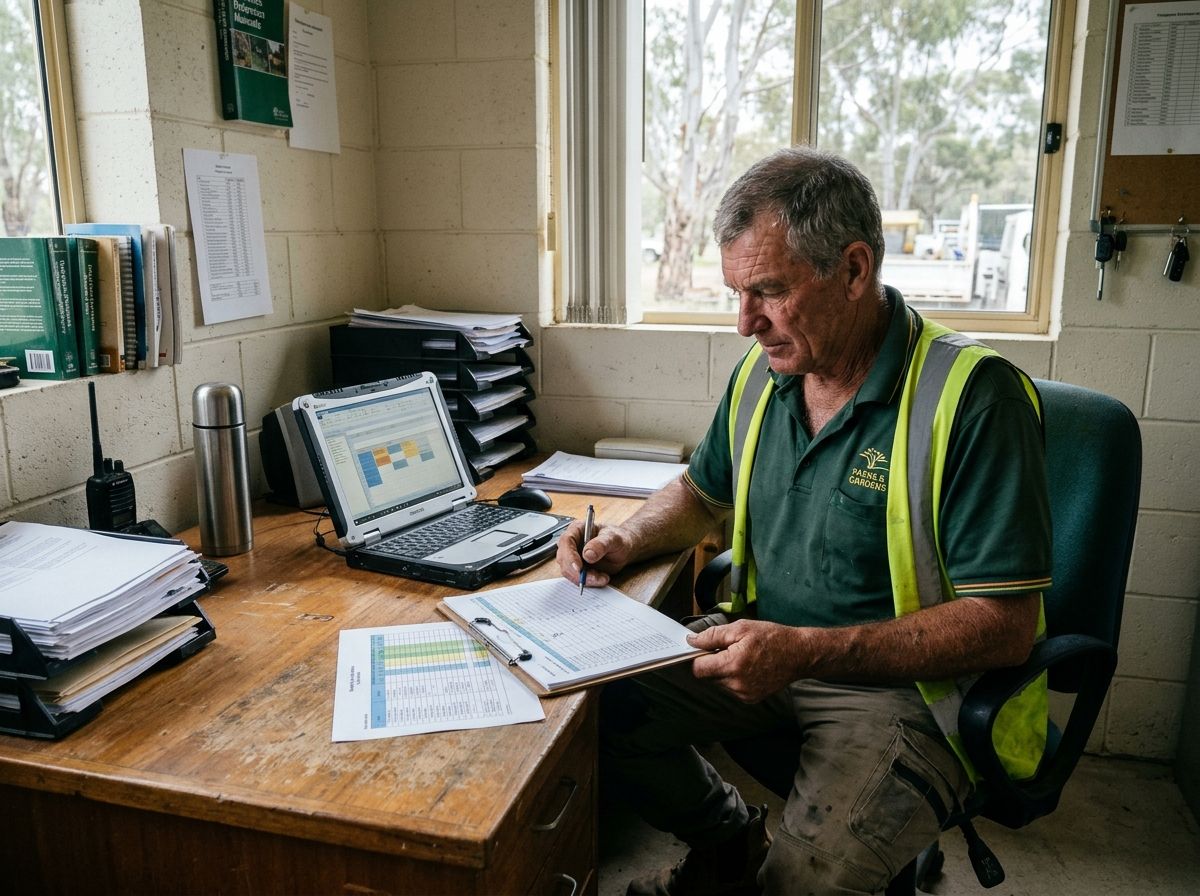
During that steady career progression, there was rarely a formal checkpoint where obtaining a paper qualification felt necessary.
Consequently, many head gardeners who manage a crew of six, control major annual maintenance budgets, design planting schemes, and coordinate with municipal councils, contractors, and clients still only hold a Certificate III they completed early in their careers.
The daily work is management-level, but the official file says otherwise.
This is not a failure on your part. It is a structural pattern in how the horticulture industry has historically approached career progression. Practical competence was what mattered most, and formal qualifications were rarely requested—until recently.
When the qualification gap starts to matter
For years, this lack of formal credentials remains unnoticed. The work is completed successfully, the staff respect your leadership, the landscaping looks excellent, and nobody asks for paper qualifications.
Eventually, something changes.
A senior promotion opportunity arises, and the job specification lists a Diploma of Horticulture Management as a mandatory requirement. A municipal tender process asks for documented evidence of qualified management personnel. A prospective employer questions your formal qualifications, or an internal review highlights the gap for the first time.
These are real scenarios. They are the specific situations experienced horticulture professionals describe when they begin seeking a clear path to formal qualification.
Employers and local councils across Australia regularly specify management qualifications for senior horticultural positions. The professionalisation of the industry is an ongoing reality. This means a qualification gap that was minor for years becomes highly visible when it limits your career progression.
Your actual capability has not changed. What has shifted is how the industry expects you to demonstrate that capability.
Experience as evidence for horticulture managers
Recognition of Prior Learning (RPL) is an established assessment pathway within the Australian Qualifications Framework. It is designed specifically for professionals who have been performing high-level work without holding the corresponding qualification.
Instead of forcing you to study concepts you already understand, the RPL process evaluates the evidence of your existing work.
This evidence can include documented employment histories, professional references, records of programs you planned and completed, budgets you managed, and site management documentation that demonstrates your competency in action.
A qualified assessor from a registered training organisation (RTO) conducts the assessment. RPL it assists candidates with identifying, gathering, and compiling this evidence, while the formal assessment and final qualification are issued directly by the partner RTO.
Your workplace experience is valid evidence. The Diploma of Horticulture Management (AHC50422) could be closer to your reach than you think.
To explore this qualification in detail, visit our Diploma of Horticulture Management page.
What changes when you hold the qualification on paper
Your skills are proven, your experience is substantial, and your recognition is earned.
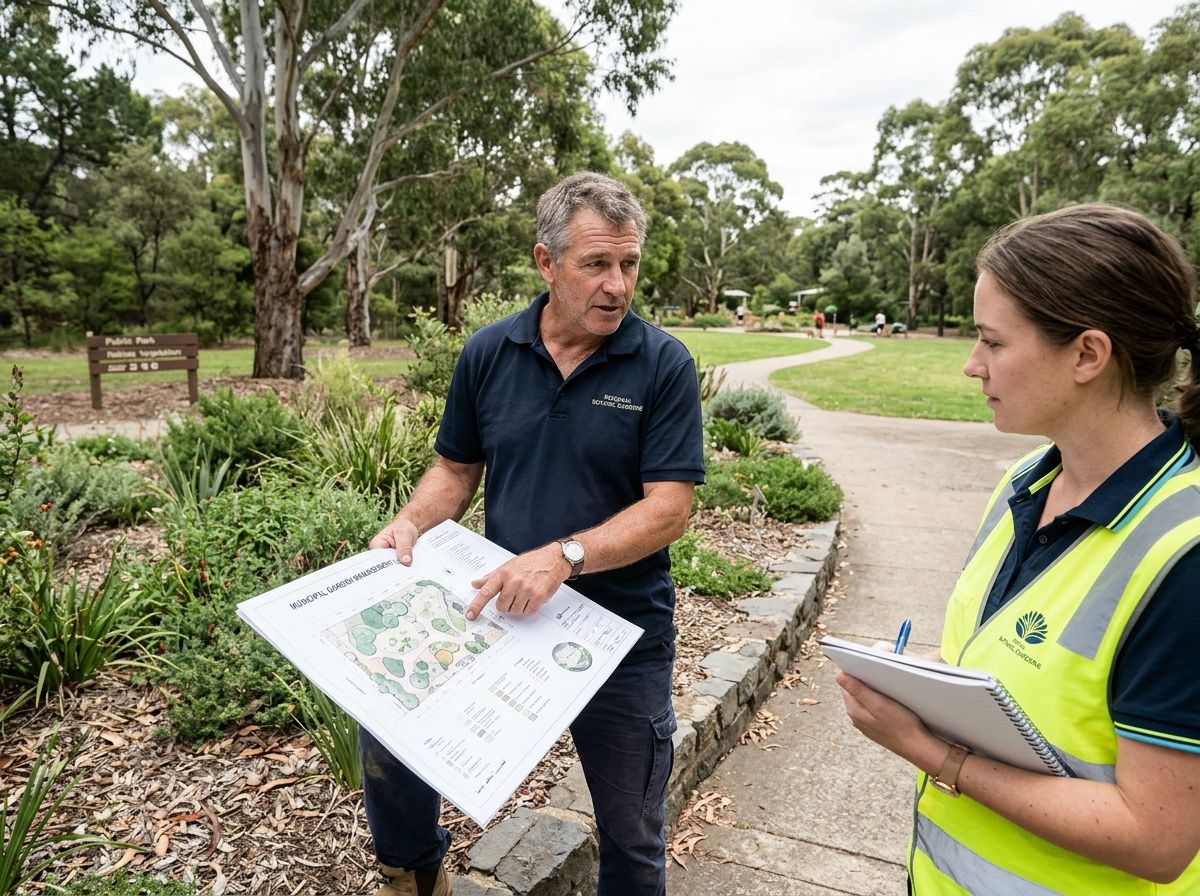
Having the Diploma of Horticulture Management on your record leads to practical advantages. Senior roles that mandate the qualification become accessible. Tenders requiring qualified supervisors can include your profile. Moving between councils, botanic gardens, private estates, or parks departments no longer requires you to re-prove your capability.
The qualification does not change your daily capability; you are already performing at this level. Instead, it makes your competence visible to employers, procurement systems, and councils that require formal documentation.
This is the distinction between managing horticulture in practice and holding the credential on paper. While both reflect real ability, only the formal qualification is recognised by every local council, employer, and tender panel.
The first step is evaluating your existing experience
The Free Skills Review is a straightforward assessment to determine whether your current experience in horticulture management aligns with the standards of the Diploma of Horticulture Management (AHC50422).
This review is completely free and carries no obligation to enrol. It serves as a practical starting point to determine if your career history already meets the qualification requirements.
Our priority is directing professionals to the correct pathway. If your experience does not match the requirements for an RPL pathway, we will tell you directly. If it does, we will outline the next steps in the process.
The decision to proceed is entirely yours.
General information only, current at the date shown. Licensing rules change, so check the current requirements with the relevant regulator before you rely on them. RPL it Australia is a student support service, not a Registered Training Organisation; qualifications are assessed and issued by our partner RTOs.