I built a loyal client base before anyone asked for my certificate
You built the clientele and mastered the techniques. Then someone asked for your Cert III in Nail Technology. Here is what to do next.
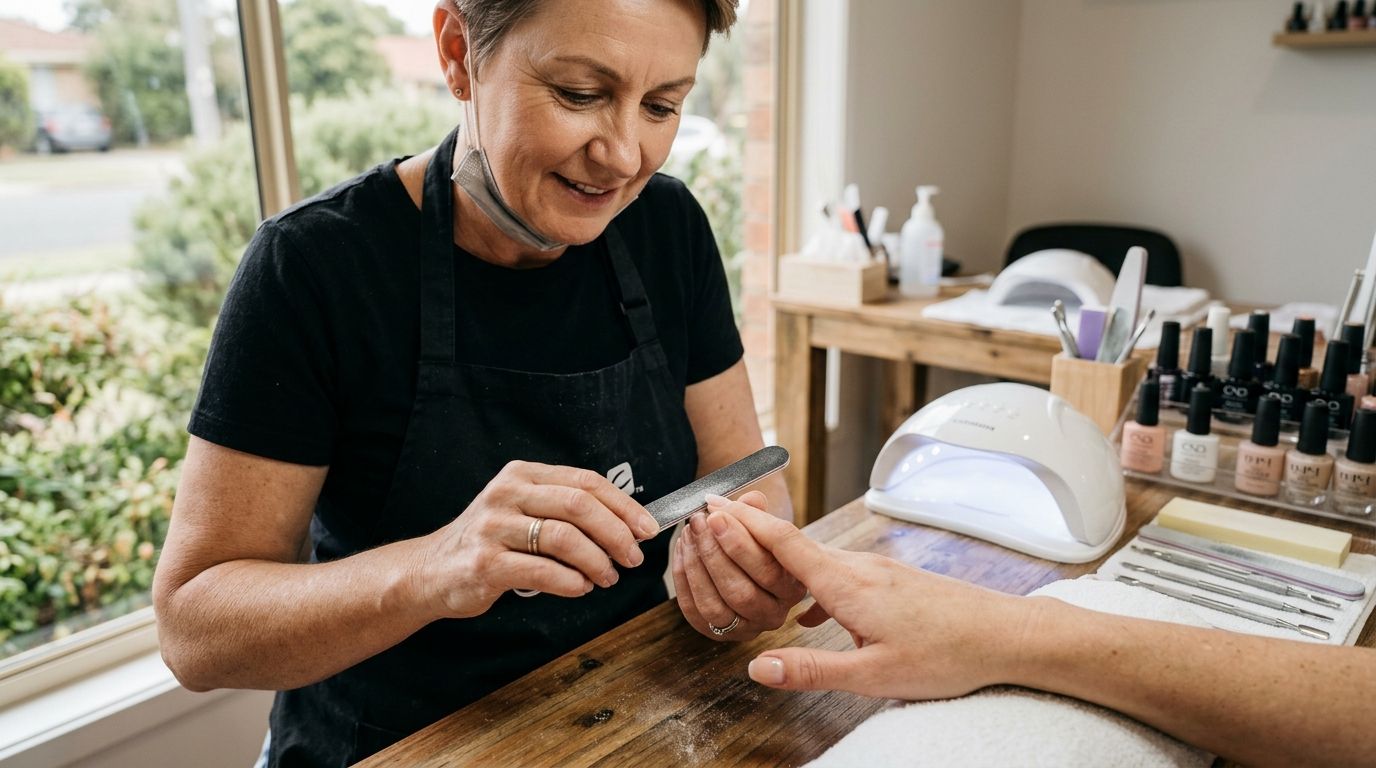
I remember the exact moment. I had been working as a nail technician for six years, and my client books were full three weeks in advance. My regulars brought their daughters to my station, and my Instagram account had grown to a few thousand active, local followers. I thoroughly knew my craft and my clientele. I knew which gel systems lasted on nail-biters, which prep steps prevented lifting, and which shapes suited different hands. Then a salon owner, running the exact kind of high-end business I wanted to work in, asked for my Certificate III in Nail Technology before we could take things any further.
I did not have one. I possessed the skills, the client list, and the experience, but lacked that specific credential.
When the qualification becomes the career barrier
Operating without a qualification was not a failure on my part. What I had built was entirely legitimate. The skills and the client relationships were real. The years of practice, the late nights studying tutorials, and the money invested in courses, kits, and professional-grade products were genuine. However, none of this work existed in a format that the formal education system could recognize.
This is a common frustration for experienced nail technicians, and you likely recognize the feeling. You have built a successful business, your regulars rebook before leaving the salon, and your portfolio speaks for itself. Yet when opportunities arise, such as a premium salon role, a chair rental in an established studio, or opening your own premises, the first requirement is always a formal qualification you do not hold.
The request for a qualification is not a doubt of your technical ability. You can do the work. Instead, it is an administrative check to see if your skills have been formally verified. For many self-taught or informally trained nail technicians in Australia, that formal verification does not exist.
The gap between daily expertise and formal recognition
Consider your daily routine. You understand the practical differences between a gel overlay and a hard gel extension on real hands, under everyday salon conditions. You know how to prepare a nail plate correctly, which clients require additional dehydration, which natural nails need gentle management, and how to handle clients who are prone to picking.
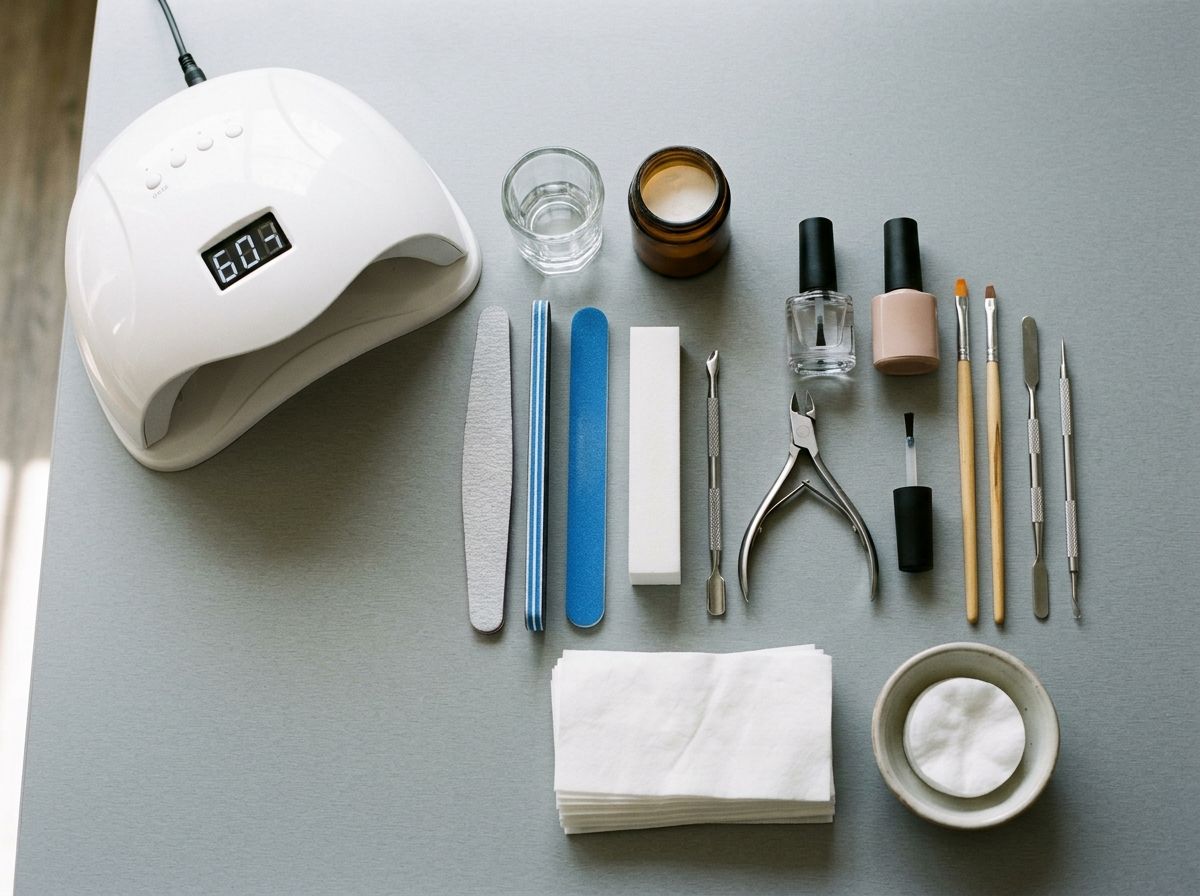
You conduct detailed client consultations, translating what a client asks for into what will actually work for them. You manage expectations regarding complex nail art and advise when a reference photo is unsuited to their nail shape. You maintain strict hygiene and sanitation protocols as a standard part of your professional routine to ensure client safety.
Your day-to-day skills cover acrylic systems, gel polishes, and advanced nail art techniques including freehand work, stamping, foils, and chrome powders. Over your career, you have likely developed a personal style, mentored other technicians informally, managed bookings, ordered stock, and handled your own client communications.
None of this experience is currently documented on a formal resume. It is visible in your finished work, your client retention, and your social media portfolio, but it remains invisible to salon owners, insurers, and landlords who rely on formal qualifications to assess your business suitability.
The career barriers of undocumented skills
This barrier appears at different stages of a nail technician's career. For some, it is a job advertisement requiring a Certificate III in Nail Technology. For others, it is a landlord or salon owner requesting proof of qualifications before agreeing to a chair rental. For those looking to open their own premises, formal credentials are often required for commercial leases, business registration, or professional insurance.
Sometimes the barrier is a client asking if you hold a formal qualification, or a business insurance application that requires trade credentials. Often, it is simply the realization that the Australian beauty industry is tightening its standards. The salons you want to work with require verifiable proof of your skills, making undocumented experience a challenge despite your actual technical capability.
Professional standards are necessary for safety and reputation in our industry. The core issue is that the training system only recognizes formal, structured assessment. When your expertise was developed on the salon floor, through years of practical client work instead of classroom hours, the education system has no automatic way to recognize those hours as valid training, treating your career as if it never happened.
Turning your practical experience into formal evidence
Practical experience can serve as formal evidence. This is the core principle of Recognition of Prior Learning (RPL), a process where your current skills are assessed against the units of a national qualification. Rather than attending weekly classes to study techniques you already use daily, you provide direct evidence of your work, your active salon practice, and your technical competency.
For experienced nail technicians, this means your years of hands-on salon work are not wasted. They serve as the direct foundation for your qualification. The RPL assessment focuses on verifying your current capabilities rather than teaching you new ones. If you have worked professionally for years, you already possess these skills. The next step is simply compiling and formatting this evidence so an assessor can verify it.
This is a formal, rigorous assessment pathway designed specifically for professionals who learned their trade outside the traditional classroom. The resulting qualification is the identical, nationally recognized credential awarded to full-time students, as the underlying assessment processes meet the same strict national standards.
What the Certificate III in Nail Technology covers
The Certificate III in Nail Technology (SHB30321) is the official national credential for professional nail technicians in Australia. It outlines the core technical skills, client service standards, and safety practices required to operate professionally in the beauty industry.
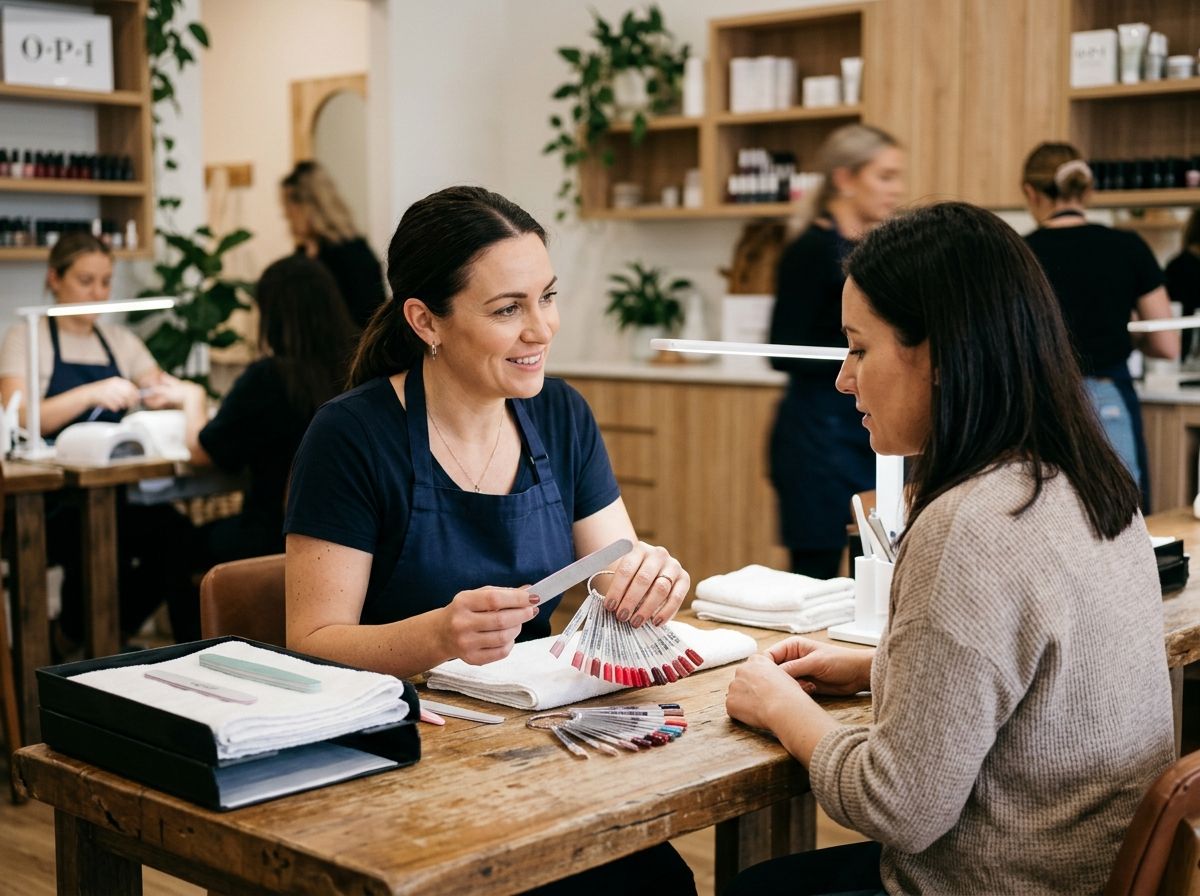
This qualification assesses competence across key areas, including nail preparation, the application of acrylic and gel systems, nail art design, client consultation, infection control, and the safe handling of chemical products. It also covers the essential business and retail communication skills needed to work effectively in a commercial salon environment.
If you work as a nail technician, whether in a commercial salon, a home studio, or as a mobile operator, your daily routine already covers these requirements. The preparation steps you perform before each service, the client consultations you conduct, your sanitation routines, and your nail art applications are not secondary additions; they are the core components of the qualification.
The current qualification version is SHB30321. While the older SHB30316 has been superseded, your experience gained under either standard remains highly relevant to an RPL assessment, as the fundamental technical competencies of professional nail technology have not changed.
Aligning your qualifications with your actual experience
Experienced professionals should not have to repeat basic training. This principle is why the RPL pathway was established for skilled nail technicians.
The RPL process requires you to compile clear evidence of your current technical skills and experience. This evidence generally consists of photos of your work, client booking logs, reference letters from salon owners or senior colleagues, and potentially a practical demonstration. A qualified assessor from a Registered Training Organisation (RTO) reviews these materials against the units of the Certificate III in Nail Technology. If your evidence confirms your competency in these units, you receive the qualification. If there are any gaps in your experience or documentation, these are resolved through targeted gap training, which is typically included at no extra cost.
The time required to complete the process depends on your available documentation and the specific RTO. While gathering your evidence requires careful organization and genuine effort, you will not have to attend classes for skills you already master, nor repeat practical training you perform daily in your salon work. The entire assessment process is designed to formally recognize and verify your current trade skills.
The qualification is issued directly by the Registered Training Organisation that performs the assessment, rather than by RPL it. Our role is to guide you through the preparation phase, helping you identify and compile the necessary evidence before connecting you with a partner RTO. The resulting credential carries full national recognition because it is backed by a compliant, thorough assessment.
Determining if your salon experience meets the standards
You already have the technical skills. The key step is verifying whether your work history contains the right type and volume of documentation to meet the standards for a Certificate III in Nail Technology assessment.
A Free Skills Review is designed to clarify your eligibility. This is an initial evaluation rather than a course enrolment or commitment. We discuss your professional background and current evidence to determine if RPL is a viable option for you. If your experience does not align with the qualification requirements, we will let you know directly so you can choose the correct pathway forward.
The choice to proceed is entirely yours. If you want to confirm whether your years of practical experience can be translated into a formal qualification, the first step is evaluating your current portfolio.
Ready to Get Recognised?
Start with a free skills review to find out if RPL is right for you.