Start My Skills Review
Accepting applications

Certificate III in Patisserie

This qualification reflects the role of pastry chefs who use a wide range of well-developed patisserie skills and sound knowledge of kitchen operations to produce patisserie products.

Qualification overview
SIT31021
LevelAQF 3Certificate III
Units2115 core, 6 elective
PackageSITTourism, Travel and Hospitality Training Package
Timeframe
Typically 4 to 6 weeksAfter evidence is submitted to the RTO. Individual timelines vary.
Fees
Personalised quote before you commitRefund and withdrawal policy
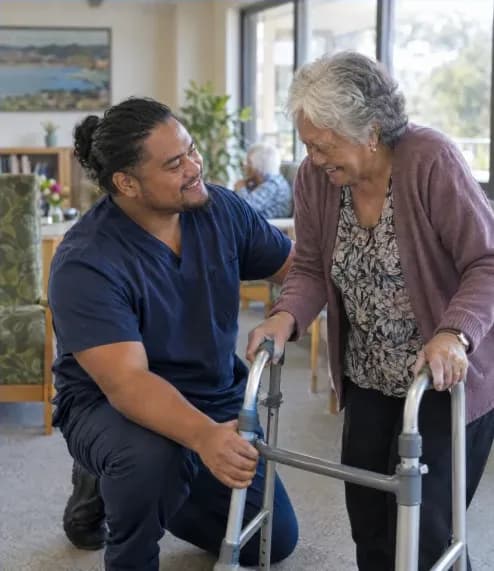
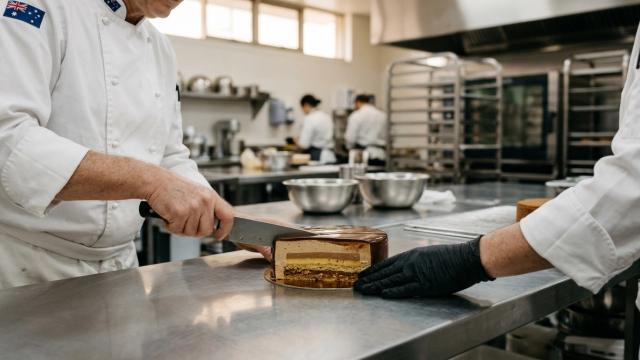
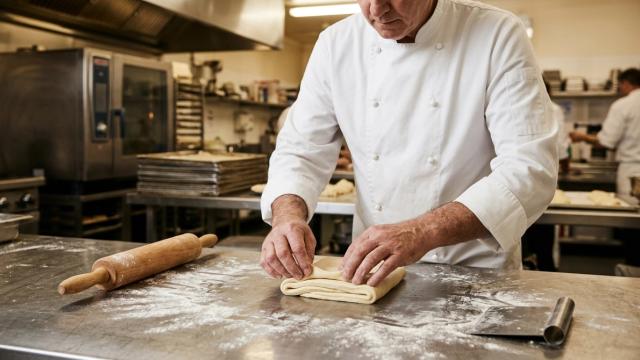
A carpenter marking timber framing on a building site, a chef plating a dish in a commercial kitchen, and an aged care worker helping a resident with her walking frame
Recognition of Prior Learning

What is an RPL qualification?

Recognition of Prior Learning assesses skills you already have against a nationally recognised qualification. Demonstrate competency, and you receive the same nationally recognised qualification, issued by a registered training organisation (RTO), as someone who completed the full course.

Who is eligible for RPL?

  • You have years of experience in your field
  • You learned the work on the job, through mentoring or on your own
  • You need the qualification for licensing, promotion or migration
  • You hold overseas qualifications you want recognised in Australia

About this qualification

Certificate III in Patisserie (SIT31021) through RPL

What the qualification covers

This qualification reflects the role of pastry chefs who use a wide range of well-developed patisserie skills and sound knowledge of kitchen operations to produce patisserie products. Using discretion and judgement, they work with some independence and under limited supervision using plans, policies and procedures to guide work activities. This qualification provides a pathway to work in various organisations where patisserie products are prepared and served, including patisseries, restaurants, hotels, catering operations, clubs, pubs, cafés and coffee shops. The skills in this qualification must be applied in accordance with Commonwealth and State or Territory legislation, Australian standards and industry codes of practice. No occupational licensing, certification or specific legislative requirements apply to this qualification at the time of publication.


Units of competency (36)

Core units

  • SITHCCC023 Use food preparation equipment
  • SITHCCC027 Prepare dishes using basic methods of cookery
  • SITHCCC034 Work effectively in a commercial kitchen
  • SITHKOP009 Clean kitchen premises and equipment
  • SITHPAT011 Produce cakes
  • SITHPAT012 Produce specialised cakes
  • SITHPAT013 Produce pastries
  • SITHPAT014 Produce yeast-based bakery products
  • SITHPAT015 Produce petits fours
  • SITHPAT016 Produce desserts
  • SITXFSA005 Use hygienic practices for food safety
  • SITXFSA006 Participate in safe food handling practices
  • SITXHRM007 Coach others in job skills
  • SITXINV006 Receive, store and maintain stock
  • SITXWHS005 Participate in safe work practices

Elective units

  • FBPRBK3005 Produce basic bread products
  • FBPRBK3014 Produce sweet yeast products
  • FBPRBK4001 Produce artisan bread products
  • HLTAID011 Provide First Aid
  • SIRXOSM002 Maintain ethical and professional standards when using social media and online platforms
  • SIRXOSM003 Use social media and online tools
  • SITHASC028 Prepare Asian desserts
  • SITHASC032 Produce Japanese desserts
  • SITHCCC038 Produce and serve food for buffets
  • SITHCCC042 Prepare food to meet special dietary requirements
  • SITHFAB024 Prepare and serve non-alcoholic beverages
  • SITHFAB025 Prepare and serve espresso coffee
  • SITHFAB027 Serve food and beverage
  • SITHKOP010 Plan and cost recipes
  • SITHPAT017 Prepare and model marzipan
  • SITXCCS014 Provide service to customers
  • SITXCOM006 Source and present information
  • SITXCOM007 Show social and cultural sensitivity
  • SITXFSA007 Transport and store food
  • SITXINV007 Purchase goods
  • SITXWHS006 Identify hazards, assess and control safety risks
An RPL it team member sorting an electrician's job photos and reference letter into his evidence folder at a ute tailgate on a building site

How RPL works in four steps

  1. Free Skills Review

    Tell us about your work experience. We’ll match it to valid qualifications.

  2. Build your evidence

    Your account manager helps you gather your required evidence for your RTO.

  3. RTO assessment

    Your evidence portfolio is submitted to our partner RTO. A qualified assessor evaluates your competency.

  4. Get your qualification

    Once assessed as competent, the RTO issues your nationally recognised qualification.

Career Outcomes

Explore Roles Associated with this Qualification

If your current or past work looks like one of these roles, this qualification may suit you.

  • 01

    Chef Patissier

    Leading production teams and supervising the creation of complex pastry products in a large-scale hotel or catering environment.

  • 02

    Pastrycook

    Preparing, baking, and decorating high-quality breads, pastries, and cakes in a boutique patisserie or café.

  • 03

    Dessert Chef

    Specialising in the production and plating of complex desserts within a restaurant or club kitchen.

Evidence Checklist

What Suitable Evidence Can Support Your Evidence Portfolio?

Your consultant can help you identify relevant workplace records. The delivering RTO decides whether the evidence is sufficient and current.

Work History & Roles
  • A detailed CV outlining your experience in patisseries or hotels
  • Position descriptions from previous pastry roles
  • Third-party reports or letters of employment from head chefs

Production Evidence
  • Photos or videos of cakes, pastries, and yeast-based products you have created
  • Production logs and specialised dessert prep lists
  • Menu plans showcasing a range of patisserie techniques

Kitchen Operations
  • Food safety supervisor certificates or training records
  • Stock delivery and maintenance records
  • Cleaning schedules and temperature logs from your workplace

Technical Skills
  • Standard operating procedures and recipes you have developed
  • Photos of petits fours and specialised cake decorations
  • Records of coaching or mentoring junior kitchen staff

Qualification comparison

RPL and Traditional Study

Two routes to the same qualification, assessed against the same RTO competency standards.

RPL PathwaySupported by RPL it, assessed by the RTO
Traditional StudyDelivered and assessed by the RTO
Starting point
Your existing, current workplace skills and evidence
A planned course of learning and assessment
How competency is shown
Workplace evidence mapped to the qualification requirements
Learning activities, assignments, practical work, and assessment
Assessment decision
Made by a qualified assessor from the delivering RTO
If gaps are identified
Additional evidence or targeted gap training may be required
Learning and assessment continue through the course structure
Qualification outcome
Issued only when the RTO determines all requirements are met

RPL it Australia reviews

What our clients say

Selected Google reviews. Individual experiences vary. Every applicant is assessed against the same requirements, and some require gap training or additional evidence.

Frequently asked questions

Recognition of Prior Learning, your experience, and your next step.

Got more questions?
How do I get started with RPL for this qualification?

The process begins with a free skills review where we evaluate your pastry experience. From there, your dedicated consultant guides you in building an evidence portfolio, which is then formally assessed by a qualified assessor from our partner RTO.

Is an RPL qualification the same as one from full-time study?

Yes. A qualification achieved through Recognition of Prior Learning is a nationally recognised certificate issued by a Registered Training Organisation (RTO). It carries the same weight and validity as one earned through traditional classroom study.

How long does the process typically take?

While the time to gather your evidence varies, the formal assessment by the RTO typically takes 4 to 6 weeks once your completed portfolio has been submitted.

What kind of evidence will I need to provide for patisserie?

Evidence often includes a detailed resume, photos or videos of you preparing patisserie products, copies of recipes and menus you have worked with, and references from past or current head chefs and supervisors.

Does this qualification allow me to work as a Chef Patissier?

Yes, the Certificate III in Patisserie is the industry-standard qualification for those looking to work as a Chef Patissier or pastry chef in restaurants, hotels, and specialised patisseries.

Do I need to demonstrate food safety and hygiene practices?

Yes. Safe food handling and hygiene are core competencies of this qualification. You will need to provide evidence that you consistently apply these standards in a commercial kitchen environment.

How long does the RPL process take?

Most candidates who submit a complete evidence portfolio receive their qualification within 4 to 6 weeks from RTO assessment. The total timeline depends on evidence readiness. Strong documentation can help the process move quickly, while evidence gaps or gap training may take longer.

Is an RPL qualification the same as one from TAFE?

Yes. An RPL qualification is issued under the Australian Qualifications Framework, the same framework that governs qualifications from TAFE colleges and all other Registered Training Organisations. It carries the same national recognition. Licensing requirements vary, so check with the relevant authority.

How much does RPL cost?

RPL costs vary by qualification level, complexity, and number of units. Because RPL assesses what you already know rather than teaching new content, it is typically less expensive than full enrolment. Contact our team for a tailored quote. Payment plans are interest-free with no establishment fee, and the instalment schedule and any extension fee that could apply are set out in your quote.

What evidence do I need for RPL?

Evidence can include your resume, reference letters from employers, photos or videos of your work, previous qualifications and certificates, job descriptions, and any other documentation that demonstrates your skills and knowledge. The RTO tells you exactly what evidence it needs for your specific qualification, and your RPL it consultant helps you put it together.

Can I get credit for units I have already completed?

Yes, if you hold a qualification or Statement of Attainment that includes units equivalent to units in this qualification. This is called credit transfer. The delivering RTO checks your AQF certification documents or authenticated VET transcript. Where a unit is equivalent and your certification is authenticated, the RTO must grant credit for it. It can refuse only on limited grounds, for example where a licensing or regulatory requirement calls for reassessment.

Delivering RTO · 1 partner RTOs

Assessed and issued by a partner RTO

Your delivering RTO is confirmed before enrolment. Check any RTO’s registration on training.gov.au.