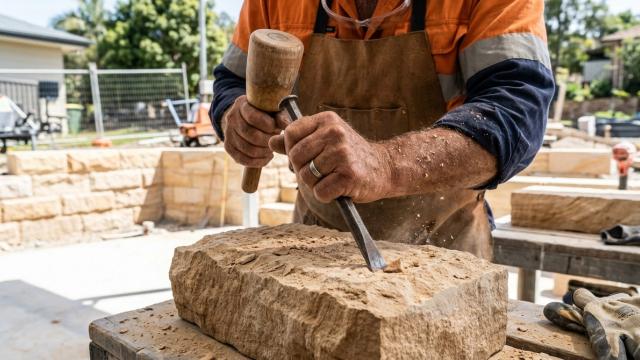
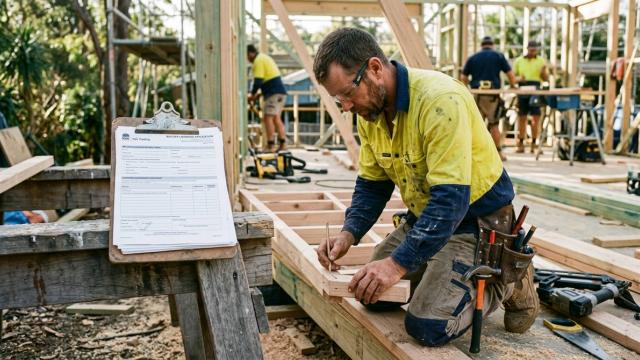
Stonemasonry Training Is Expensive and Slow: The RPL Pathway That Skips Both
Experienced stonemasons blocked by training costs and time? RPL recognises your existing skills with no repeat study. Find out if you qualify today for free.
By RPL it Australia8 min read
The Qualification Trap: Why Experienced Stonemasons Get Stuck
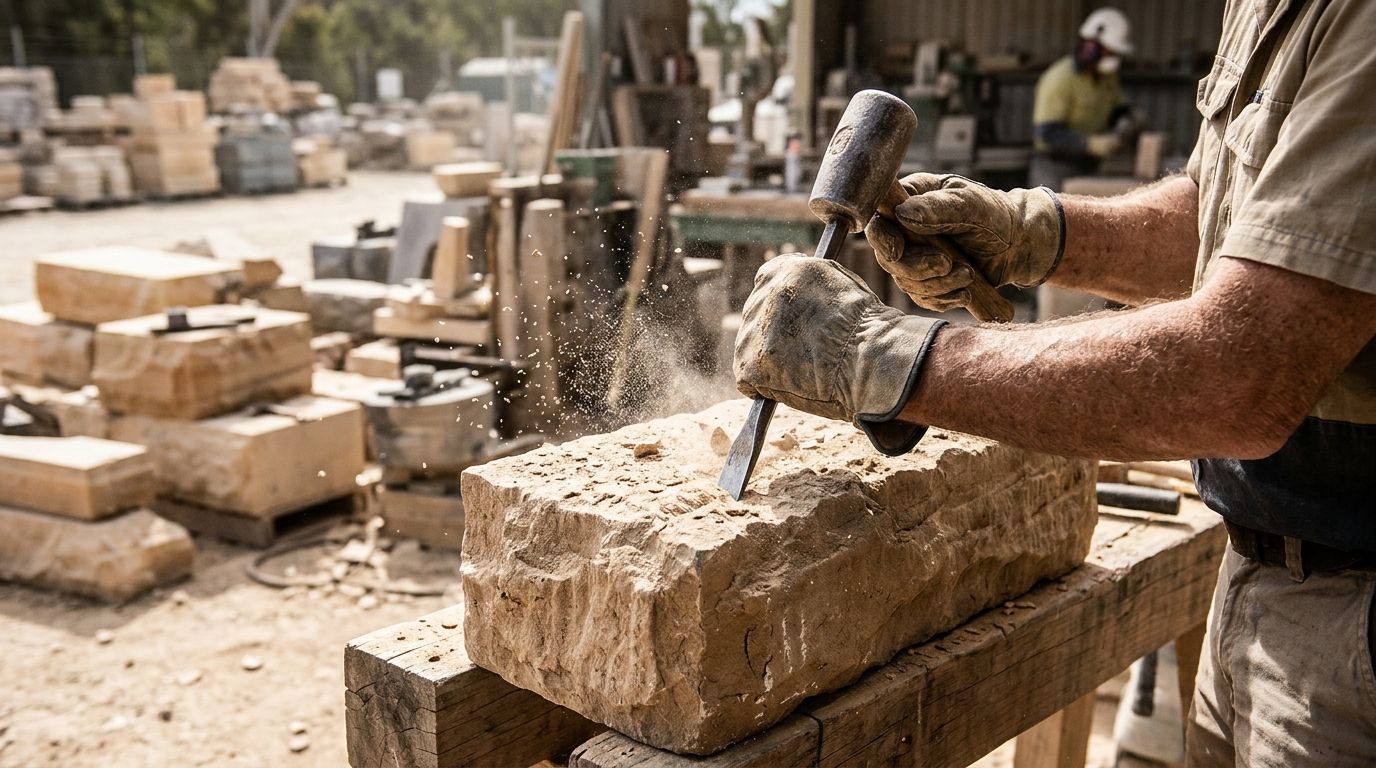
You have the experience. The system has the paperwork. Those are two different things. If you have been working stone for years, laying walls, dressing blocks, finishing facades, and constructing arches, you already have the skills that formal licensing requires. What you may not have is the certificate that proves it on paper. That gap is not a skills problem. It is a logistics hurdle. And it has a name: the Qualification Trap.
In Queensland, stonemasonry work valued at more than $3,300 requires a licence issued by the Queensland Building and Construction Commission (QBCC). The licence covers the full scope of the trade: finishing, laying, machining, renovating and shaping stone; constructing arches, fireplaces, stairs and walls; concrete work for stonemasonry; setting out and anchoring facades; and applying waterproofing and damp-proofing for stonemasonry work.
To hold that licence, you need to demonstrate technical qualifications. For most experienced stonemasons, that means one thing: the Certificate III in Stonemasonry (CPC32320). The problem is not whether you can do the work. The problem is that the traditional path to that certificate is expensive, slow, and designed for people who have not already spent years doing the job.
What Stonemasonry Training Actually Costs and Why It Stops Most People
Let's be direct about the financial barrier. Published course fees for the Certificate III in Stonemasonry vary significantly by provider, residency status, and whether government subsidies apply. One Queensland-located provider lists total tuition costs of AUD $30,000 for international students. Another RTO publishes a total course fee of $20,000, which includes tuition, enrolment, and materials. The Australian Government's Your Career platform shows an estimated national fee range of $2,330 to $3,200, though this figure does not identify a specific provider, state, or subsidy status and should be treated as broad indicative context only.
The reality is this: fees vary widely depending on the provider, your eligibility for a government subsidy, and how the course is delivered. What does not vary is the opportunity cost. Nationally, the median full-time weekly earnings for the combined bricklayers and stonemasons occupation are $2,317 before tax, with median hourly earnings of $53. That is the income a working stonemason stands to forgo for every week spent in a classroom instead of on site.
For a working tradesperson with a business to run or a family to support, the combined weight of course fees and lost income is not a minor inconvenience. It is a genuine barrier. And it is a barrier that has nothing to do with whether you can do the work.
The Time Problem: Why a Working Stonemason Can't Just 'Go Back to Study'
The course takes roughly a year full-time. You have been doing this work for years. The system is asking you to prove something you have already proven, just in a classroom instead of on site.
Provider examples reviewed list the Certificate III in Stonemasonry at around 52 weeks full-time, including holiday or term breaks, with approximately 20 hours per week of classroom or face-to-face training. Austra College lists the course as 52 weeks full-time, including 4 weeks of holiday breaks. Omni College lists a total course duration of 52 weeks, calculated on 20 hours per week of face-to-face training for 44 weeks plus 8 weeks of allocated term break.
For those pursuing the apprenticeship pathway, the timeframe is longer still. Holmesglen lists the apprenticeship as part-time over four years, tied to a four-year apprenticeship contract, with training delivered across six block sessions per year.
Duration varies by provider and delivery mode. But the core reality does not: a working stonemason cannot simply pause their livelihood for a year or more to complete a qualification they have already earned through practice. The traditional pathway was built for people entering the trade. It was not built for people who are already in it.
Recognition of Prior Learning: The Pathway Built for People Who Already Know the Work
Recognition of Prior Learning (RPL) is a nationally recognised assessment pathway that lets experienced workers have their competency formally assessed without repeating training they have already done on the job. It is not a shortcut or a loophole. It is a rigorous assessment process, conducted by a qualified assessor from a registered training organisation (RTO), to evaluate whether your existing skills and knowledge meet the requirements of a formal qualification.
The distinction matters. RPL does not bypass the standard of the qualification. It bypasses the requirement to sit in a classroom and learn what you already know. The assessor determines whether your competency is real and documented. If it is, the qualification is awarded. If gaps are identified, gap training is provided. With RPL it, that gap training is included at no additional cost.
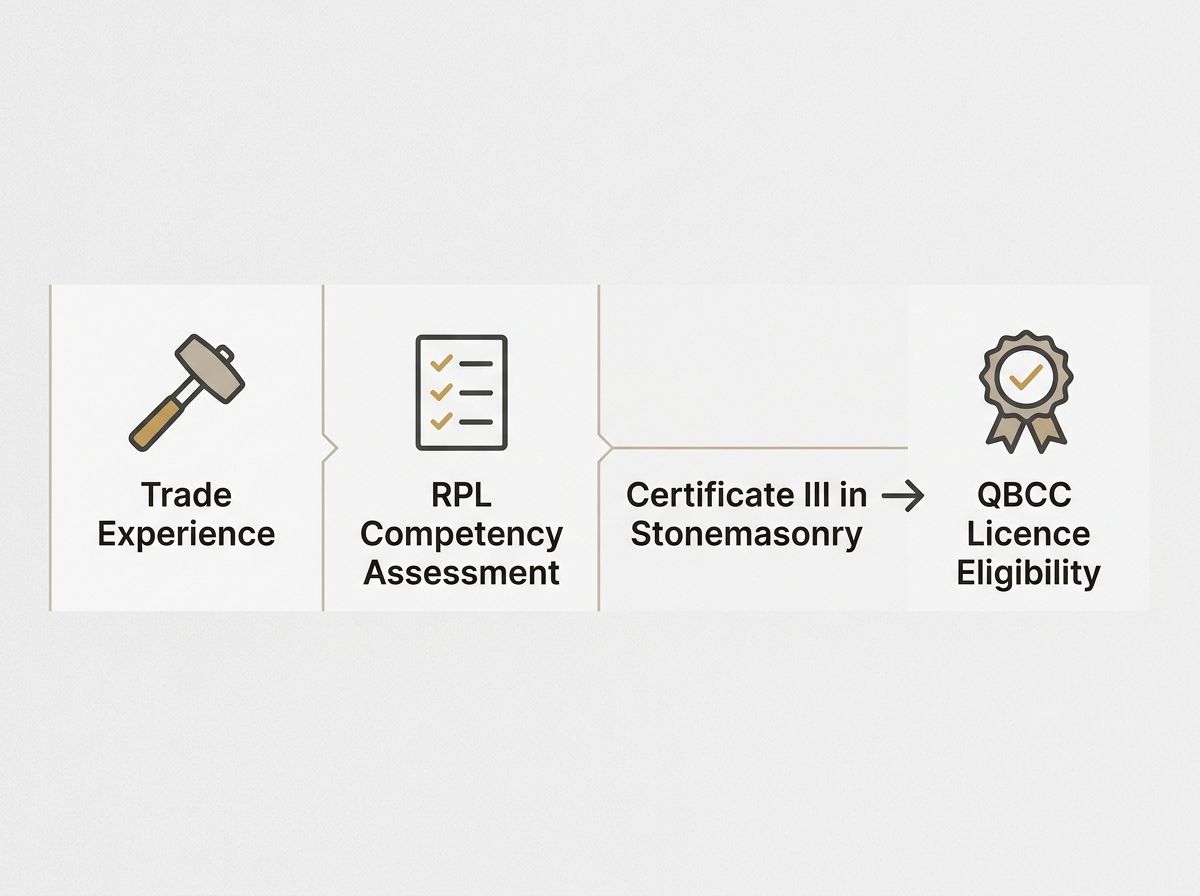
For experienced stonemasons in Queensland, RPL offers a pathway to the Certificate III in Stonemasonry (CPC32320), the qualification that underpins the QBCC stonemasonry trade licence, without requiring a year of full-time study or a four-year apprenticeship contract.
If you are working toward a Queensland stonemasonry trade licence, the RPL pathway to the Certificate III in Stonemasonry is worth understanding in detail.
What RPL for Stonemasonry Actually Looks Like in Practice
The RPL process is more practical than most people expect. It starts with a self-assessment, which is a structured review of your experience against the units of competency within the Certificate III in Stonemasonry. From there, you compile a portfolio of evidence that demonstrates your competency across the tasks the qualification covers.
For a stonemason, that evidence is the work itself. Building Trades Australia, a Queensland-based RTO offering CPC32320, lists assessment activities that include self-assessment, third-party assessment, a competency conversation, and a portfolio of evidence. Assessment can occur through an interview and your portfolio, rather than a written exam or a classroom test.
The core units within CPC32320 cover the tasks that experienced stonemasons perform every day: setting out, levelling, restricted-height scaffolding, working safely at heights, reading plans and specifications, finishing stone, laying stone, identifying and using stone products, using stonemasonry tools and equipment, dressing and moulding stone, shaping solid stone, splitting stone manually, dressing stone manually, machining stone, setting out and cutting letters in stone, carrying out profile work, and applying WHS requirements.
Elective units extend into areas including stone arches, stonemasonry stairs, restoration of stonework, conservation principles and practices for heritage stonework, tuck pointing and repointing, basic stonemasonry demolition, and drawing principles for stonemasonry.
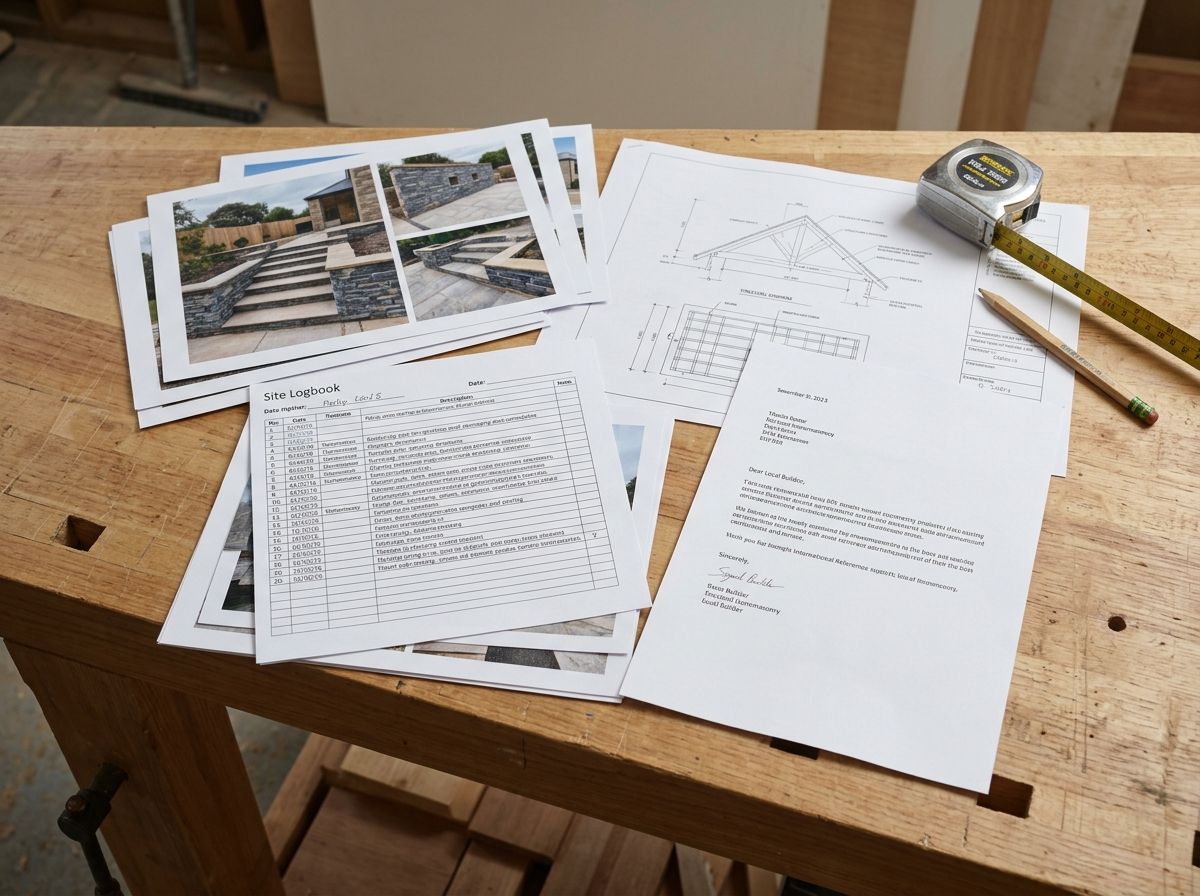
If you have been doing this work, such as laying stone, dressing and shaping, working on heritage restoration, and constructing stairs and arches, you are likely already doing what the qualification assesses. The RPL process makes those skills visible to a formal assessor. Evidence types typically include photographs of completed projects, employer or client references, job sheets, site records, safe work method statements, and documentation of tools and plant used. Specific evidence requirements vary by assessing RTO.
Why the Queensland Stonemasonry Licence Matters More Than Most Tradespeople Realise
The stakes of formal licensing are higher than many working stonemasons appreciate. In Queensland, stonemasonry work valued at more than $3,300, including labour and material costs, requires a licence. Operating without one exposes you to compliance risk and limits the work you can legally take on independently.
The Queensland stonemasonry licence covers a broad scope: finishing, laying, machining, renovating and shaping stone; constructing stone arches, fireplaces, stairs and walls; concrete work for stonemasonry; facade set-out and anchoring; and waterproofing or damp-proofing for stonemasonry. Licence classes include contractor, company, nominee supervisor and site supervisor, each with different permissions for contracting, performing and supervising building work.
QBCC advises applicants to confirm that the licence class covers all work they intend to undertake, and notes that work outside that scope, beyond incidental work, may require additional licences. Eligibility requirements include technical, managerial, and financial criteria that vary by licence class.
For stonemasons who want to contract independently, tender for larger projects, or operate a company, the licence is not optional. It is the credential that unlocks the full commercial value of the skills you already have. And if you do not currently hold the technical qualification required, RPL may be a pathway to obtaining it.
The Queensland Building and Construction Commission publishes the scope of work and eligibility requirements for the stonemasonry licence class on its website.
The Australian Business Licence and Information Service also summarises the Queensland stonemasonry licence, including the work-value threshold and licence application types.
Is RPL the Right Pathway for You? What Honest Suitability Looks Like
RPL is not for everyone. It requires genuine, demonstrable experience that can be proven through completed work, employer references, and documented practice. If you have been working as a stonemason for several years across the core tasks the qualification covers, you are likely a strong candidate for RPL assessment. If your experience is narrow, recent, or difficult to document, there may be gaps that require additional training before or alongside assessment.
That is not a failure. It is an honest assessment. Gap training may be required, and where it is, it is provided at no additional cost through the RPL process. The goal is not to guarantee an outcome; the RTO assessor determines competency, not RPL it. The purpose is to find out honestly whether your experience is sufficient before you commit to anything.
ABLIS notes that if an applicant does not meet the technical qualifications for a Queensland stonemasonry licence, they may be able to obtain them through recognition of prior learning by a registered training organisation. Interstate applicants may be eligible through mutual recognition, and international applicants may need an overseas qualification assessed for equivalency. Requirements vary.
Jobs and Skills Australia reports national median full-time earnings for the combined bricklayers and stonemasons occupation, providing useful context on the income a working stonemason may forgo during traditional study.
The Next Step: A Free Skills Review With No Obligation
Your skills are real. Your experience counts. The question is whether it can be formally recognised, and the only way to find out is to have someone review it honestly.
A Free Skills Review with RPL it is exactly that: a direct, no-obligation assessment of whether your stonemasonry experience is likely to support an RPL pathway to the Certificate III in Stonemasonry. It is free, carries no commitment to proceed, and gives you a clear answer before you invest any time or money.
Recognition shouldn't require starting over. If you have been doing the work, the work should count.
General information only, current at the date shown. Licensing rules change, so check the current requirements with the relevant regulator before you rely on them. RPL it Australia is a student support service, not a Registered Training Organisation; qualifications are assessed and issued by our partner RTOs.