Your overseas pattern-making and sewing experience counts here: Here is how
Trained in pattern-making or garment construction overseas? Your experience counts. Learn how RPL for MST31022 turns your work into a formal qualification.
By RPL it Australia6 min read
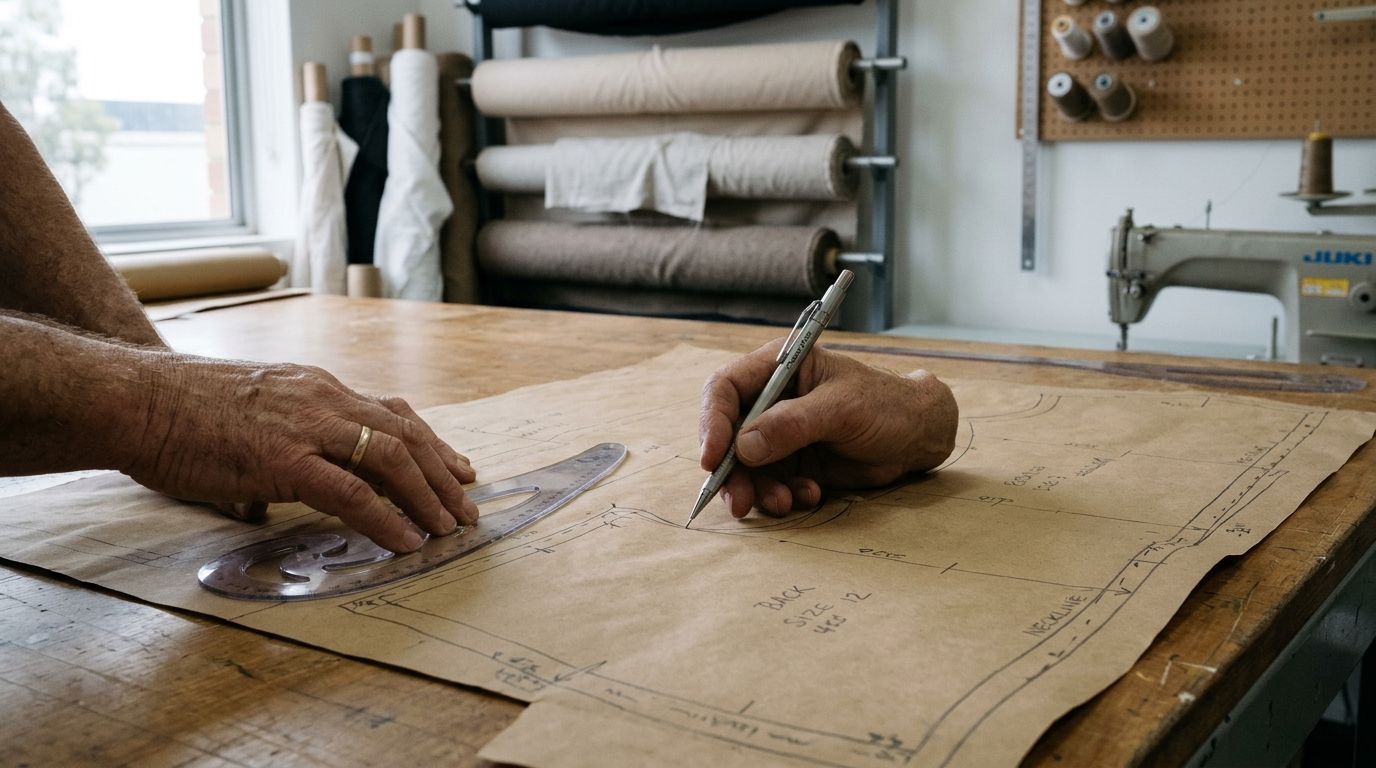
You know how to make clothes. Australia does not know that yet.
You have years of real, hands-on experience. You can draft patterns from a technical sketch, cut fabric to within a millimetre, and assemble garments that fit as intended. You might have managed quality control or supervised an entire sewing floor. This is skilled trade work, and it took you years to master.
When you arrived in Australia, your professional experience became invisible. This is not because your work lacks quality or because your skills are irrelevant. It is because the Australian system cannot read your history. Your overseas training is real, but it is not in the format local employers and regulators expect. The competence is there, but the paperwork is not.
The divide between what you can do on the workshop floor and what the Australian system sees on paper is highly frustrating. Many skilled migrants face this exact obstacle, but it does not have to be permanent.
The recognition gap: What it is and why it happens
This challenge is called the recognition gap. It represents the distance between your daily competence on the job and your official documentation. This gap is not a negative judgment of your skills; it is simply a feature of how Australian qualifications are structured.
Australia's vocational education system relies heavily on a national framework of qualifications. Local employers, licensing boards, and visa assessment authorities use these codes when they evaluate your credentials. If you gained your skills overseas through an apprenticeship, technical college, factory training, or years of supervised work, your paperwork will not map directly to an Australian code. The domestic system is not set up to read it.
This is the recognition gap. You have the practical skills, but you lack the local paperwork. Recognition of Prior Learning (RPL) is the formal process designed to bridge this divide.
RPL is not a shortcut or an informal workaround. It is an official assessment pathway within the national training system. A qualified assessor from a registered training organisation (RTO) reviews your evidence against the exact standards of an Australian qualification. If you demonstrate your competency, the RTO issues the certificate. You do not need to study what you already know.
What MST31022 covers, and why your work may map to it
The relevant qualification for experienced garment and textile workers is the Certificate III in Apparel, Fashion and Textiles (MST31022). This qualification officially recognises trade-level competency in a skilled occupation. It sits well above introductory manufacturing work and reflects the level of expertise you develop through years of hands-on production experience.
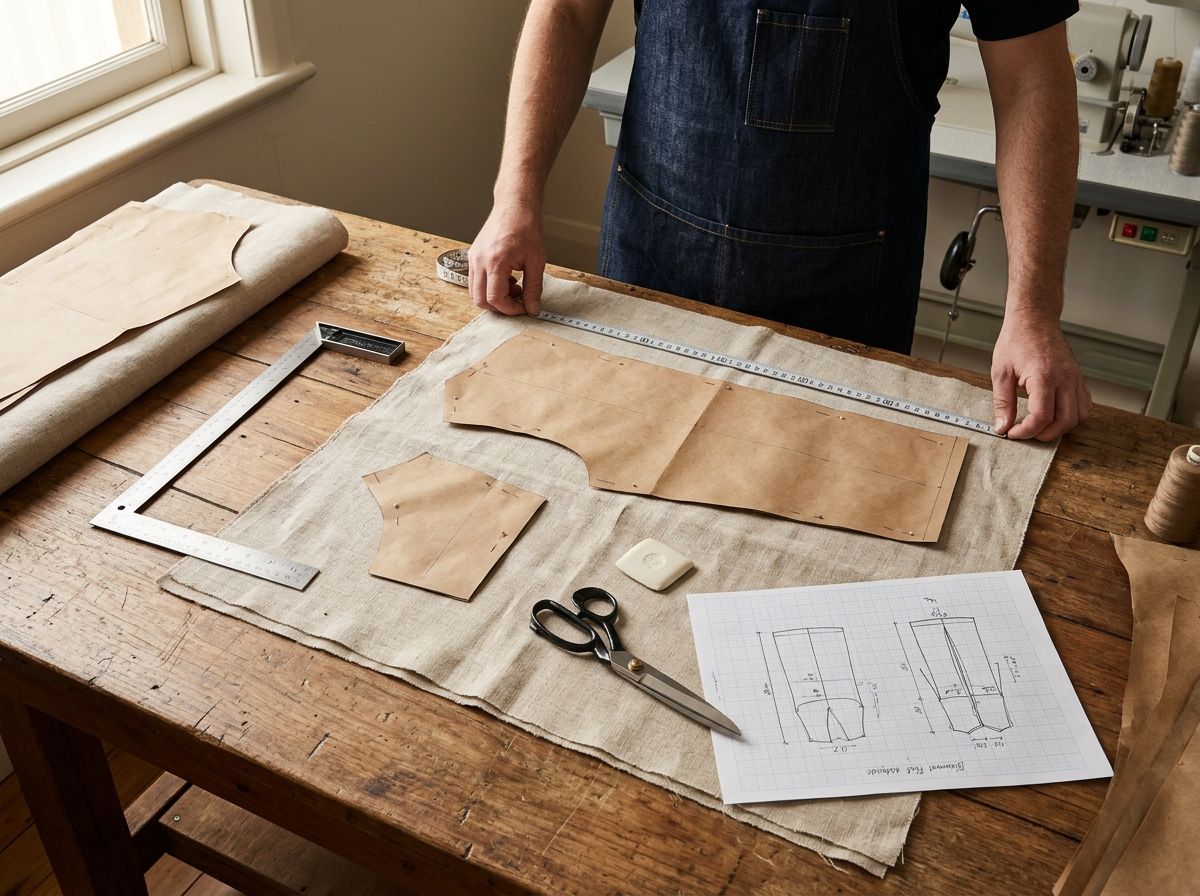
If you have searched for a Certificate II in clothing production, you may find that the Certificate III (MST31022) is more appropriate for your level of experience. Certificate II qualifications cover foundational skills, whereas a Certificate III matches the depth of competency most experienced garment workers already have. An RPL adviser can help you confirm the right target qualification for your background.
You can verify the current unit list for MST31022 at training.gov.au. The Certificate III in Apparel, Fashion and Textiles assesses competency across key areas of garment and textile production. These include pattern construction and interpretation, garment assembly techniques, fabric characteristics, manufacturing quality assurance, and workplace safety. Your elective units might cover production planning, specialised machine operation, or advanced construction methods, depending on the specific RTO performing the assessment.
If you have worked as a pattern-maker, sample machinist, production machinist, garment technician, quality controller, or workshop supervisor in an overseas factory or atelier, your daily work likely covered these standards. The RPL process does not ask where you went to school, but whether you can demonstrate that you can do the work. For experienced tradespeople, the answer is usually yes.
What counts as evidence: The work you have already done
This is the question that stops many overseas-trained workers: 'I do not have an Australian certificate, so what evidence can I show?' The answer is usually much more than you realise.
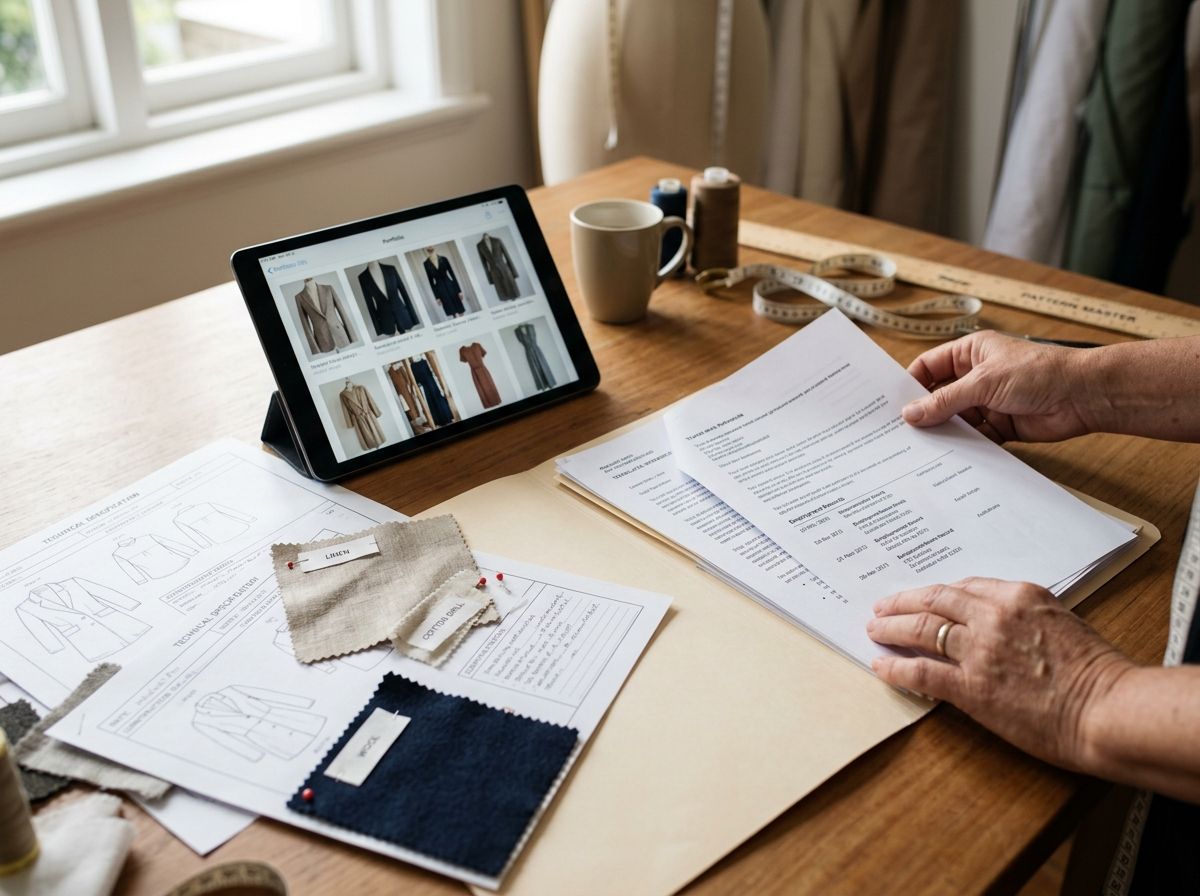
RPL assessors are qualified to review a broad range of evidence types. For garment and textile workers, the evidence used to support an RPL application typically includes:
- Employment records, such as payslips, contracts, or letters confirming your role, employer, and employment dates
- Employer or supervisor references, meaning written statements describing your daily tasks and technical skills
- Photographs or samples of your work, including finished garments, drafted patterns, or supervised production runs
- Production records or quality assurance reports showing your role in the manufacturing process
- Overseas training certificates or academic records, which provide background context even if not directly recognised here
- A technical interview or practical demonstration where you explain or show your trade competency directly to an assessor
Many overseas-trained workers have employment contracts, references, and records written in their native language. You can usually submit these documents alongside certified English translations. Because requirements vary between RTOs, you should confirm translation specifications with your RPL adviser before translating your files.
Your evidence does not have to be perfect or exhaustive. Assessors understand that employment documentation formats vary around the world. What matters is that your collective records show a clear picture of your abilities. Your RPL adviser will help you audit your files, address any gaps, and organize your application.
The RPL process: What happens after you apply
The RPL process is structured and straightforward. This is what you can expect when seeking recognition for your garment and textile experience.
- Skills Review: You discuss your work history and available evidence with an RPL adviser. This step determines if you are a good candidate for RPL before you make any commitment.
- Evidence Collection: You compile documentation proving your industry competency. Your adviser helps you identify what records you have, what is missing, and how to resolve any gaps.
- Technical Assessment: An assessor from an RTO evaluates your documents against the official MST31022 standards. The assessor might also conduct a practical demonstration or technical interview.
- Outcome: If your evidence demonstrates competency across the required units, the RTO issues your qualification. If some units require more proof, you can complete targeted gap training to finish the process.
You must understand the distinct roles involved. RPL it assists you through the preparation process, helping you organize your evidence and understand the national standards. The RTO conducts the official evaluation and issues the qualification. The assessor's professional judgment is independent, and the final outcome depends entirely on your proof.
If required, gap training addresses the specific competency units you could not fully prove through your past work. This does not mean starting your training from scratch; it simply completes an otherwise solid foundation. For most experienced garment workers, any necessary gap training is highly targeted and brief.
Recognition should not require starting over
You have spent years mastering your trade. Skills in pattern-making, garment construction, and textile production are not introductory. They are the result of disciplined, professional work, and that work deserves to be recognized in Australia.
The recognition gap is real, but it is not a permanent barrier. The RPL pathway exists because your work experience is valid evidence of your skills. The Australian system provides this formal mechanism to recognize what you can already do on the job. You do not need to retrain in a trade you have already mastered.
Your skills speak for themselves. We help the system understand them.
If you are an overseas-trained garment worker, you might wonder if your years at the cutting table, sewing machine, or production floor count here. The first step is simply finding out. You do not need to enroll or make any commitments; you only need to check your eligibility.
General information only, current at the date shown. Licensing rules change, so check the current requirements with the relevant regulator before you rely on them. RPL it Australia is a student support service, not a Registered Training Organisation; qualifications are assessed and issued by our partner RTOs.