How to get a mechanic licence in WA without repeating years of work
Experienced WA mechanics: there is a licensing pathway that uses your existing work history as evidence. You may not need to start over. Here is what to know.
By RPL it Australia5 min read
The assumption that stops experienced mechanics from looking
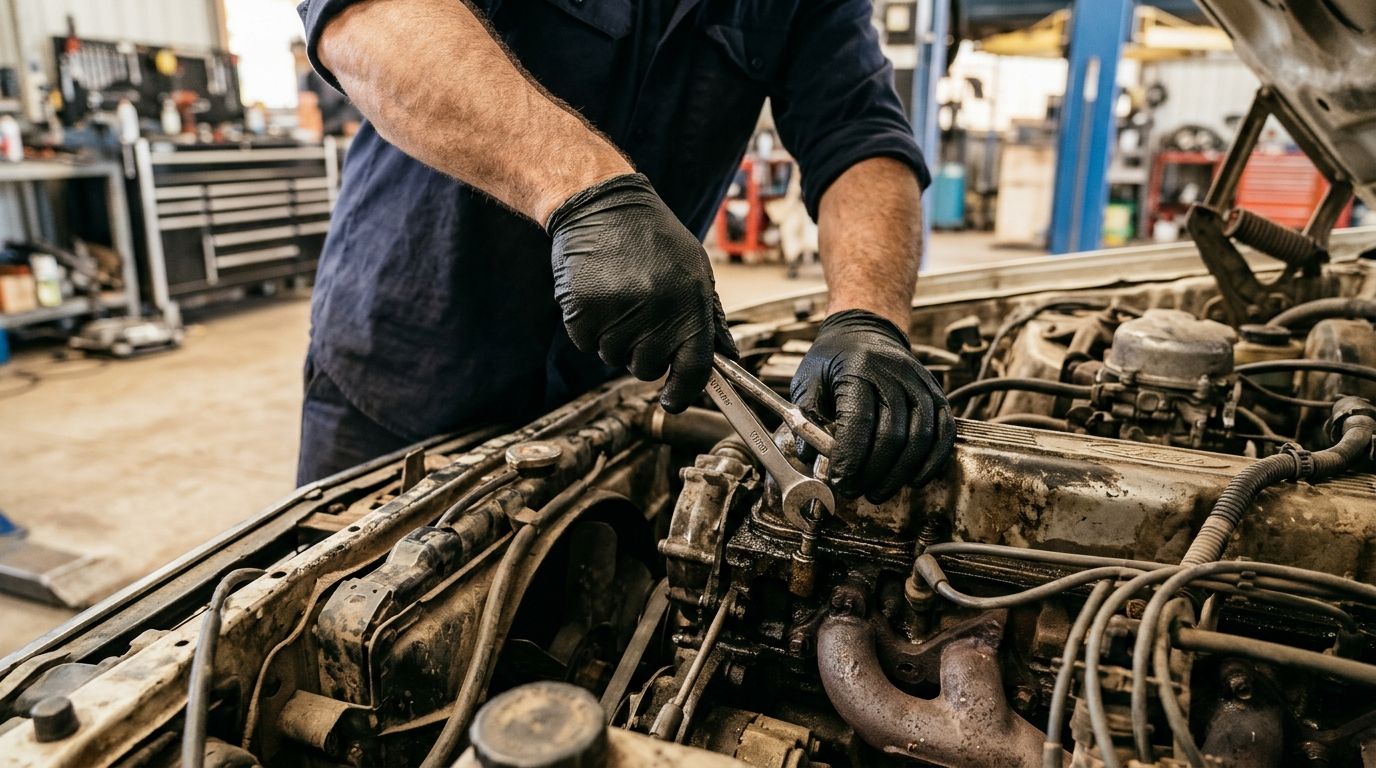
You have the experience. Years of it. Engines diagnosed, faults traced, and repairs completed. This work speaks for itself on the floor of any workshop in Western Australia. Yet, when the question of a formal mechanic licence comes up, most experienced mechanics assume they have to start their training from scratch.
That assumption is the main barrier. It is not the licensing system itself.
The idea that getting qualified requires sitting through classroom training you already know in practice, repeating years of learning you completed on the job, stops many skilled people from investigating the actual process. They write it off before they have looked at it properly.
If you want to know whether mechanics need a formal licence in WA, that question has a clear answer. If you already know you need one and want to find out how to get it without starting over, there is a practical pathway designed for your situation.
If you are still working out whether a formal licence applies to your situation, you can read about whether mechanics need a licence in WA before going further.
What the formal requirements actually involve
The qualification required for automotive technician licensing in Western Australia is based on demonstrated competency. The requirement is real, but the idea that you have to start from the beginning is incorrect.
The licensing pathway is tied to a nationally recognised qualification. This qualification assesses whether you can actually do the work, rather than whether you have attended a classroom course. This distinction is vital for experienced technicians because the assessment system measures competency instead of hours spent in a classroom.
In practice, the evidence used to satisfy these requirements does not need to come from formal study. It can come from years of hands-on work, provided that work is documented and presented in a way the assessment system recognises.
The requirement exists, but the pathway to achieve it is rarely the long, repetitive process that experienced mechanics expect.
Note: The specific WA regulatory body and exact licence name for automotive technicians should be confirmed directly with the relevant WA government authority before relying on any single source. Licensing requirements can change, and the details of your specific situation will determine which pathway applies to you.
Your work history is evidence, if presented correctly
Consider what you have done in workshops over your career: diagnosing engine faults, servicing braking systems, tracing electrical faults, and performing scheduled maintenance on different vehicle types. You have identified and replaced worn components and worked to manufacturer specifications under daily time pressure.
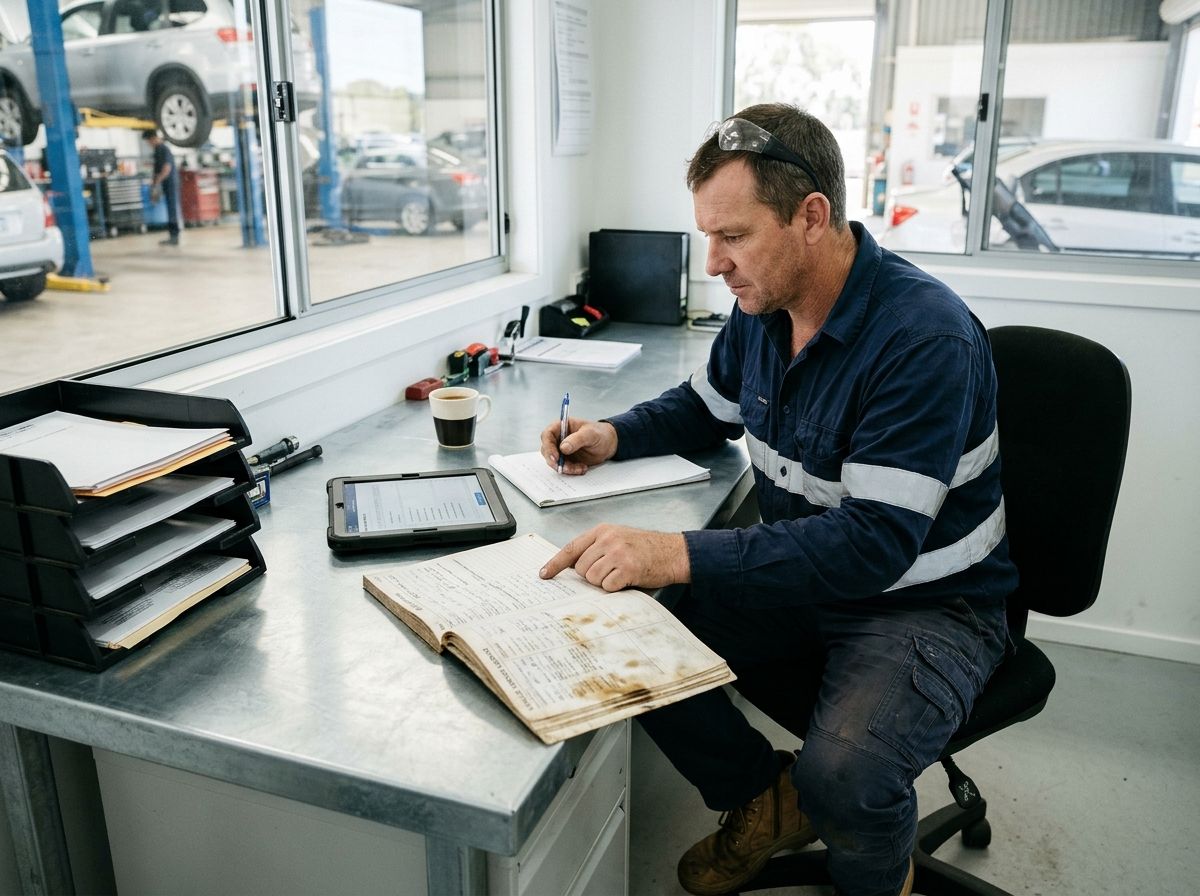
This work maps directly to the competency areas assessed in the qualification. The tasks you perform daily are not separate from what the qualification covers; they are the core of what is being assessed.
The challenge is not a lack of experience. It is translating that experience into a format that the assessment system recognizes.
Documentation of your work history, such as records of completed repairs, employer references, service logs, and evidence of the vehicles and systems you have worked on, is the raw material for a Recognition of Prior Learning assessment. These documents show that your skills are real and your experience is established.
The gap is not between your actual knowledge and the requirements of the qualification. The gap is simply between what you have done and what has been formally documented. That gap can be bridged.
A guided process for experienced technicians
Recognition of Prior Learning (RPL) is the formal assessment pathway that evaluates your existing competency against qualification standards. It is not a shortcut. It is a rigorous assessment that starts from what you already know, rather than assuming you are starting from scratch.
The assessment is conducted by a registered training organisation (RTO). RTOs are the bodies authorised to issue nationally recognised qualifications in Australia. RPL it guides candidates through the process of preparing and presenting their experience as evidence, but the assessment itself, and the qualification that results from it, comes directly from the partner RTO.
This distinction is important, and the guidance is also critical. Presenting years of experience as evidence is not always straightforward. It requires understanding what the assessor needs to see, how to structure documentation, and how to demonstrate competency across all qualification requirements. The right support helps you build a complete, well-evidenced portfolio instead of one that leaves gaps.
It is also true that an RPL assessment sometimes identifies areas where you need additional training before the full qualification can be awarded. This is not a failure. It is the system working properly to ensure that the qualification reflects true competency. If gap training is required, it is targeted specifically to what is missing, rather than repeating what you already know.
The assessment starts from your existing knowledge. This is a very different starting point from a standard training pathway, and for experienced technicians, it is the most appropriate option.
Find out if you qualify before committing
The first step is not enrolment. It is an honest assessment of whether your experience meets the entry requirements for RPL.
This assessment is free and carries no obligation. It exists so that experienced mechanics can find out where they stand before committing time or money to the process.
We would rather guide someone to the right pathway than enrol them in the wrong one. If RPL is not the right fit for your situation, we will tell you directly and point you toward better options. Honest suitability guidance before enrolment is not a limitation. It is the foundation of a reliable process.
Your work deserves to be recognised. The decision about what to do next is yours.
You can find out more about the WA Automotive Technician trade licence pathway and what it involves before taking your next step.
General information only, current at the date shown. Licensing rules change, so check the current requirements with the relevant regulator before you rely on them. RPL it Australia is a student support service, not a Registered Training Organisation; qualifications are assessed and issued by our partner RTOs.