From performer to qualified dance teacher without repeating years of training
Years of performance and informal teaching may already qualify you for CUA40320. Learn how experienced dancers get recognized without starting over.
By RPL it Australia5 min read
The qualification wall most performers don't see coming
You have the experience. Years of it. Seasons on stage, time in rehearsal rooms, and the specific knowledge that only comes from doing the work. You know how to read a room of students, correct their lines, and understand why a movement is not landing. You have been teaching, in every practical sense, for longer than some graduates have been dancing.
Then the wall appears. A studio position requires a formal teaching qualification. A school program asks for credentials. An insurer wants documentation. Most performers assume that getting qualified means going back to the beginning, sitting through content they already know, and starting over.
This assumption is worth examining. It is often incorrect.
What performing for years actually taught you (and why it counts)
Formal qualifications in dance teaching assess competency. They measure what you can actually do, rather than where you learned it or how long you sat in a classroom. A career in performance builds substantial, practical skills.
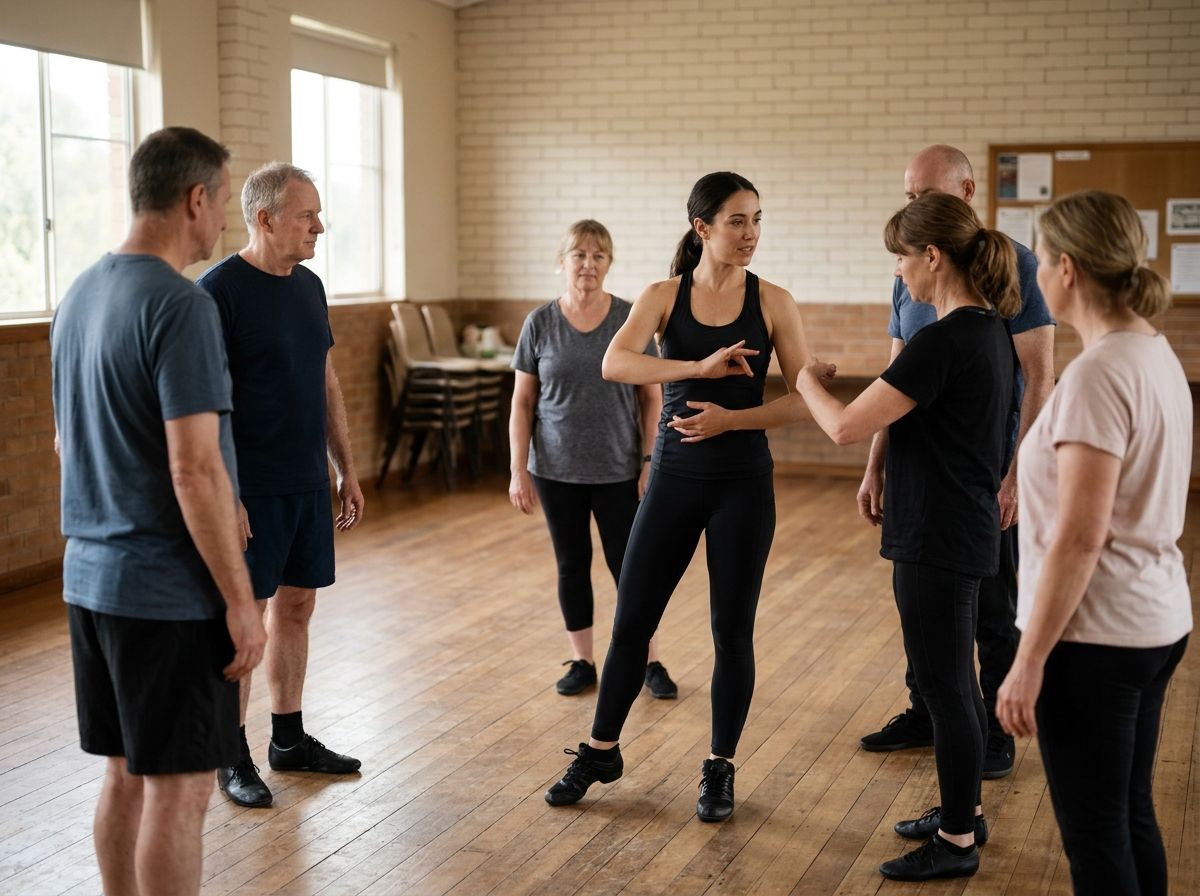
Years on stage and in studios develop highly specific capabilities. You build musicality, which is the practical understanding of rhythm, phrasing, and how movement relates to sound. You refine spatial awareness and body mechanics through thousands of hours of physical practice and self-correction. Your career also builds repertoire knowledge across styles, the ability to observe a student and pinpoint exactly what needs adjustment, and the communication skills required to manage a room. These instincts come from mentoring younger dancers, teaching informally, and running classes when a scheduled teacher is unavailable.
These are not soft skills; they are the core of dance teaching. They are the exact capabilities a formal qualification in dance teaching and management is designed to assess. For most performers, the barrier is not competency. It is documentation.
You already have the skills. They simply have not been translated into the formal education system yet.
The assumption that keeps experienced performers stuck
Most performers who reach this point assume that getting qualified requires enrolling in a full course. They expect to spend significant time in a classroom alongside students who are learning foundational concepts, which represents a major cost and a disruption to current teaching work.
As a result, many choose not to pursue formal credentials. They continue teaching informally, turn down opportunities that require a qualification, or work with the frustration of being treated as unqualified despite their extensive practical expertise.
Formal recognition should not require you to start your training from the beginning. For experienced performers with a clear teaching history, it does not have to.
There is an alternative pathway that does not start in a classroom. Instead, it begins with the work you have already completed.
What the recognition pathway looks like for dancers
Recognition of Prior Learning, commonly known as RPL, is a formal assessment pathway within Australia's vocational education system. It allows a qualified assessor, working through a Registered Training Organisation (RTO), to evaluate your existing competency against national qualification standards. The assessor determines whether your professional experience demonstrates the skills that the qualification certifies.
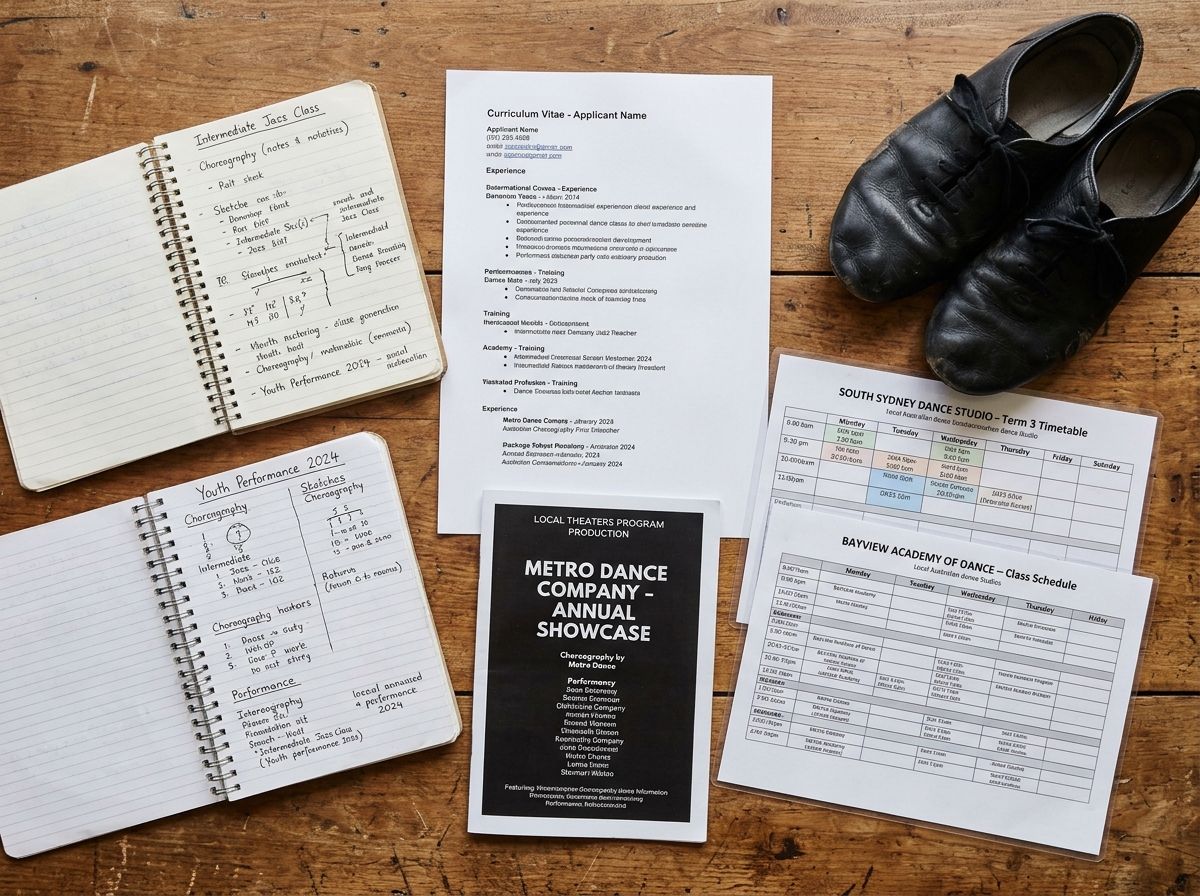
For a performer with a substantial teaching history, the necessary evidence is often already available. This documentation might include performance records, teaching schedules, and references from studio directors, choreographers, or students. It can also include videos of classes you have led and choreography you have created and taught over your career.
An RPL assessment draws on this evidence, which is compiled and presented through a guided process. The assessor reviews these materials against the competency standards of the qualification. Where your competency is demonstrated, it is recognized. If any specific gaps are identified, target training may be required, which reputable providers build directly into the process.
To be clear on how the process works: RPL it guides you through the evidence-gathering and preparation stages. The actual assessment is conducted by a qualified assessor from a registered training organisation. If you demonstrate competency, that RTO issues the qualification. The resulting credential is fully recognized across Australia because the assessment process is rigorous and compliant.
The Certificate IV in Dance Teaching and Management (CUA40320) is the primary qualification this pathway leads to, representing a nationally recognised credential for professional dance teachers.
Who this pathway is and is not for
This pathway suits professionals with deep experience in both performance and teaching. If you have spent years working on stage and teaching in studios, community settings, or private lessons, you likely have a strong foundation of evidence for an RPL application.
It is not a shortcut for beginners. RPL is a strict assessment process where the assessor evaluates actual competency rather than potential. If your experience is limited or your teaching background is narrow, a suitability assessment will identify those gaps and point you toward the traditional training pathways that fit your current level.
This distinction is practical. The right path for someone with three years of performance experience and occasional teaching is very different from the path for someone with fifteen years of professional performance and a decade of running studio classes. A Free Skills Review helps make this distinction before you make any commitment.
The first step does not require a commitment
The main question most performers have is simple: does my experience actually qualify under current standards? This means looking at how your practical history maps to the specific requirements of the qualification.
A Free Skills Review is designed to answer that question clearly before you make any decisions. The review is completely free, carries no obligation to proceed, and helps you determine whether your background is suitable for formal recognition or if another pathway is more appropriate.
The choice to proceed is yours, but it starts with a clear understanding of how your current experience is valued.
General information only, current at the date shown. Licensing rules change, so check the current requirements with the relevant regulator before you rely on them. RPL it Australia is a student support service, not a Registered Training Organisation; qualifications are assessed and issued by our partner RTOs.