Advanced horticulture systems knowledge you didn't know was Certificate IV level
If you manage irrigation, plant health, and site supervision daily, you may already meet Certificate IV in Horticulture competencies. Take the self-check.
By RPL it Australia8 min read
What 'advanced horticulture systems' actually means in a formal qualification
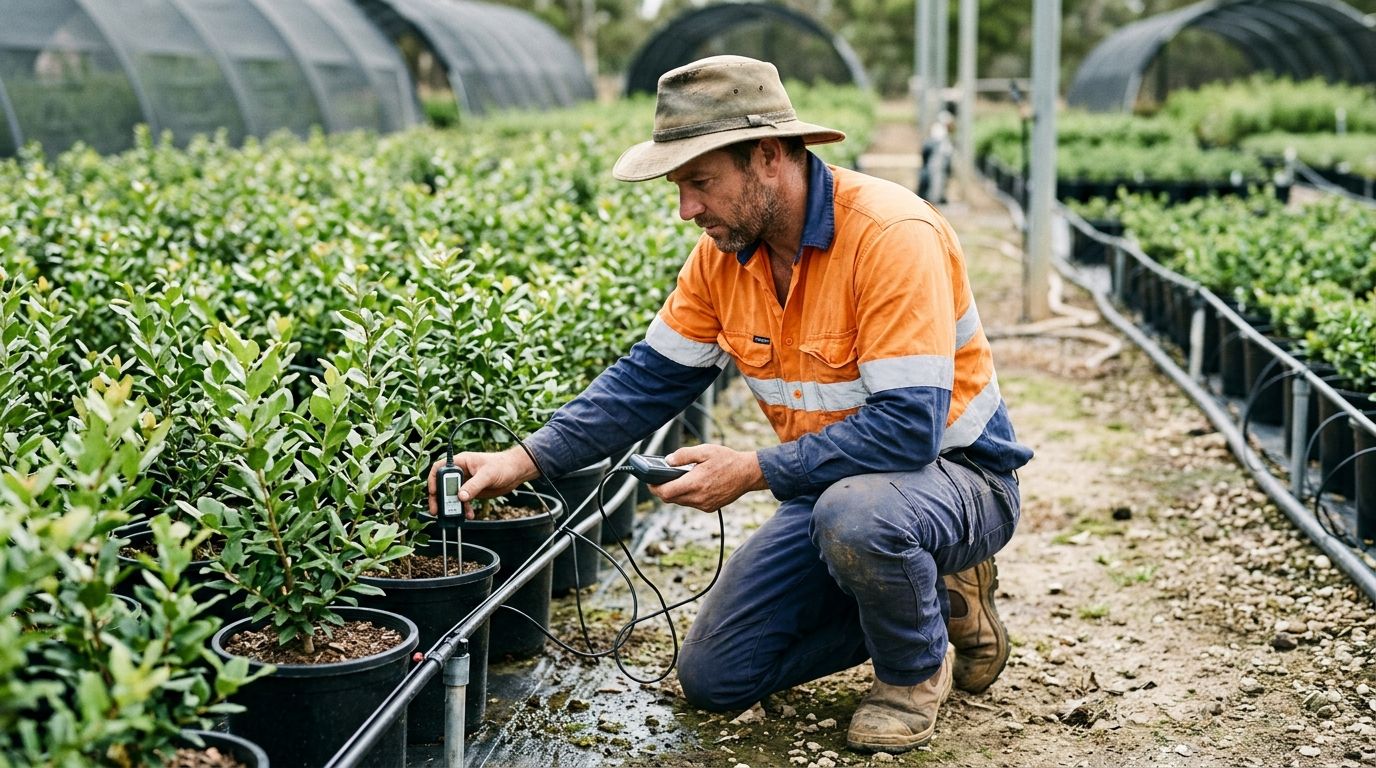
The phrase 'advanced horticulture systems' sounds like something from a course catalogue. For experienced horticulture workers, it describes a standard Tuesday. Managing irrigation infrastructure, diagnosing plant health problems, and coordinating site crews is the daily work of thousands of people across Australia who have never sat in a classroom for it.
The Certificate IV in Horticulture (AHC40422) formalises this knowledge. Its competency areas cover planning, implementing, and evaluating irrigation systems, managing plant health, and supervising site operations and teams. These are not academic concepts. They are practical skills that experienced commercial horticulture workers develop over years on the job.
Most experienced workers do not realise the qualification describes their daily work. The language of the framework sounds foreign because it was written for a training context rather than the workplace. This gap between your daily tasks and formal competency descriptions is not a skills gap; it is a visibility gap.
The self-check: Irrigation systems knowledge
The Certificate IV in Horticulture includes competency areas covering the design, management, maintenance, and troubleshooting of irrigation systems at a supervisory level. This involves more than operating a system someone else installed; it requires understanding water requirements, monitoring system performance, and making decisions that keep a site productive.
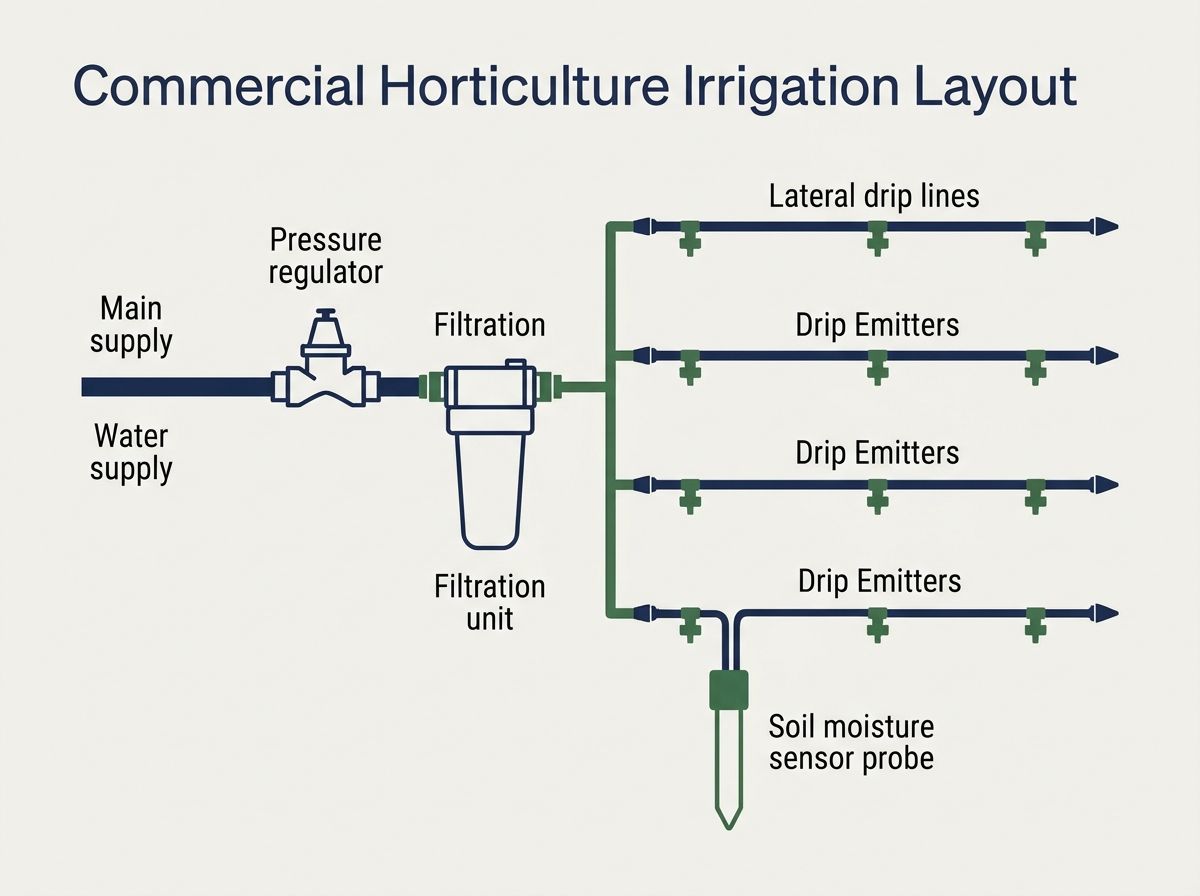
Work through the items below. These are not theoretical questions; they describe observable tasks. If most of these points describe your regular work, your irrigation knowledge likely sits at Certificate IV level.
- You assess the water needs of different plant species or crop types and adjust irrigation schedules accordingly.
- You design or modify irrigation layouts to suit site conditions, soil types, or production goals.
- You manage drip, overhead, or subsurface irrigation systems across a commercial site, including pressure management and flow rate adjustment.
- You monitor soil moisture levels, either by technical instrument or manual observation, and use those direct readings to make irrigation scheduling decisions.
- You identify and diagnose common irrigation system faults, including blocked emitters, sudden pressure drops, uneven water coverage, or controller failures.
- You carry out or supervise standard repairs and maintenance on irrigation infrastructure without needing to escalate routine problems.
- You assess water efficiency across an entire site and make practical recommendations or adjustments to reduce waste and improve distribution uniformity.
- You understand the direct relationship between irrigation scheduling and plant health outcomes, adjusting your watering approach when plants show physical signs of stress.
- You maintain regular records of irrigation activity, total water use, and system performance for compliance, reporting, or operational planning.
The self-check: Plant health management
Plant health management at Certificate IV level does not mean identifying a common pest and reporting it to someone else. It requires developing a treatment plan, implementing it, monitoring the outcomes, and adjusting the approach. Workers who make these decisions independently, such as choosing chemical treatments, managing usage, and planning monitoring schedules, operate at this level regardless of formal credentials.
The distinction between Certificate III and Certificate IV in this area centers on autonomy and planning. At Certificate III level, a worker identifies problems and applies treatments under supervision. At Certificate IV level, a worker develops and manages the entire approach. If the items below describe your daily work, you likely meet this standard.
- You develop seasonal or site-wide pest and disease monitoring schedules, rather than simply responding to problems as they appear.
- You identify a broad range of pests, diseases, and physiological disorders affecting your site's plant species, including less common or emerging biosecurity threats.
- You select appropriate chemical or non-chemical treatments based on the specific pest, plant species, current site conditions, and relevant chemical regulations.
- You apply or supervise pesticide and chemical applications in strict compliance with product label instructions, WHS regulations, and local environmental obligations.
- You evaluate how well these treatments work over time and actively adjust your control strategy if the outcomes are not as expected.
- You write or contribute to an integrated pest management plan for your site, balancing prevention, regular monitoring, and direct chemical or physical interventions.
- You instruct and brief other team members on specific plant health risks, treatment protocols, and daily crop monitoring responsibilities.
- You keep precise records of pest activity, chemical treatments applied, and treatment outcomes for compliance, reporting, or operational reviews.
- You assess plant health across a site to identify underlying systemic issues like soil health, irrigation faults, or nutritional deficiencies that cause recurring problems.
The self-check: Site supervision and team coordination
Supervision is the competency most experienced horticulture workers do not count because it feels like a normal part of the job. If you coordinate a crew, brief junior workers, manage planting or maintenance schedules, and take responsibility for site outcomes, you perform supervision-level work. The qualification framework has a name for this work, even if you do not.
The Certificate IV in Horticulture includes competency areas covering the supervision of work teams, planning and scheduling site operations, and managing resources and safety. If the items below match your regular responsibilities, your supervisory experience is likely at Certificate IV level.
- You plan and schedule daily or weekly work activities for a team, allocating specific tasks based on skills, priorities, and site conditions.
- You brief workers at the start of a shift, clearly explaining what needs to be done, how to do it, and what standards are expected.
- You monitor work progress on site and adjust operational plans when conditions change, resources are unavailable, or site priorities shift.
- You identify and address performance or quality issues in the work of team members, either directly or through appropriate escalation.
- You manage site safety, including conducting or overseeing toolbox talks, identifying physical hazards, and ensuring WHS requirements are met.
- You coordinate the use of equipment, materials, and resources across a site, which includes ordering supplies or managing stock levels.
- You communicate with clients, external contractors, and other stakeholders regarding site progress, project requirements, and operational issues.
- You take responsibility for all outcomes on your site, which means managing the quality and completion of work done by your whole team.
- You train or mentor junior workers, whether formally or informally, passing on practical trade knowledge and site-specific skills.
What your score means: Interpreting the self-check
This self-check is not a formal assessment. It is a practical starting point designed to help you view your own experience through the framework of the qualification. Here is how to interpret your results.
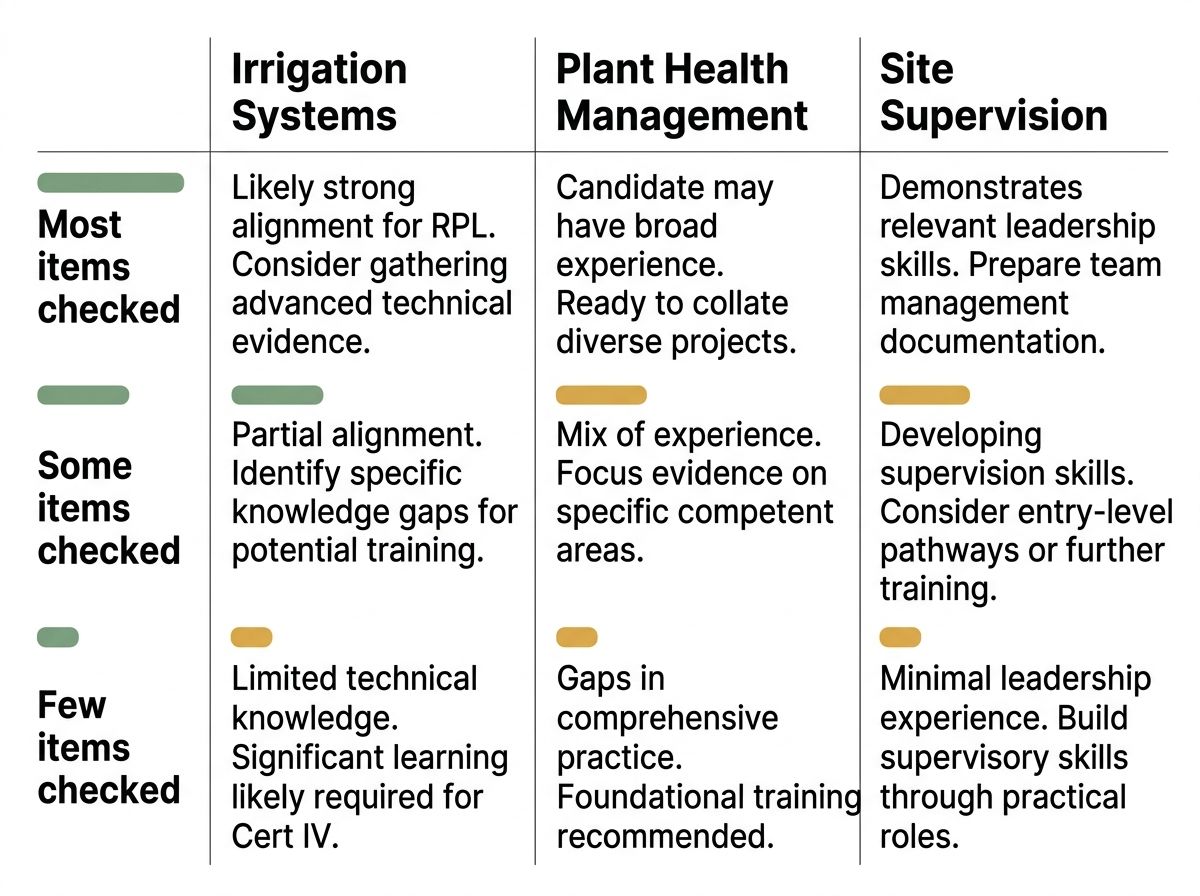
If you checked most items across all three areas of irrigation, plant health management, and site supervision, your experience is likely sufficient to support an RPL assessment for the Certificate IV in Horticulture (AHC40422). The pattern of your daily work aligns closely with the competency areas this qualification recognises.
If you checked most items in two areas but fewer in a third, RPL is still a viable option. It simply means there may be a knowledge gap in one area that needs addressing. Gap training is a normal part of the RPL process rather than a setback, and it is provided at no additional cost. The purpose of this suitability assessment is to give you an honest appraisal before you commit to anything.
If you checked relatively few items across the three areas, RPL might not be the right pathway for you right now. Having this honest answer early saves you time and effort. A Free Skills Review will clarify where your current skills stand and outline the training options available to you.
Why experienced horticulture workers do not realise they already meet the standard
The qualification framework was written by training specialists, not by active industry practitioners. This is why the terminology often feels foreign.
Reading about 'advanced horticulture systems knowledge' in a syllabus makes it sound like an academic subject you would learn in a classroom. Spending your day adjusting irrigation schedules, managing a pest outbreak, and briefing your crew on a planting programme simply feels like work. It is the same knowledge viewed through two entirely different lenses.
This is not a skills gap, but a visibility gap. The formal education system does not recognize practical expertise until it is formally documented as evidence. Years of competent, responsible, and independent work on commercial horticulture sites is the exact evidence an RPL assessment is designed to recognise, provided you know how to present it.
The self-check above is a practical first step toward making your experience visible to the formal system. It does not replace an official assessment, nor does it guarantee an outcome. Instead, it gives you a way to view your daily work through the lens of the qualification, helping you recognize that your routine tasks correspond to a coded national credential.
What happens next: The Free Skills Review
This self-check is a practical starting point. The next step is a Free Skills Review, which is a straightforward conversation that maps your specific experience against the AHC40422 competency areas to give you an honest picture of your RPL suitability before any commitment is made. The formal assessment is conducted by a registered training organisation, while RPL it helps you gather and present your practical evidence.
If you checked most of the points across the three domains, a Free Skills Review will help you understand what evidence you need to collect, where any gaps might lie, and how the assessment process works. This service is free, and there is no obligation to proceed.
General information only, current at the date shown. Licensing rules change, so check the current requirements with the relevant regulator before you rely on them. RPL it Australia is a student support service, not a Registered Training Organisation; qualifications are assessed and issued by our partner RTOs.