
Start My Skills Review
Accepting applications

Certificate III in Automotive Body Repair Technology

This qualification reflects the role of individuals who perform a broad range of tasks when repairing and maintaining the body of cars, heavy vehicles and other vehicles in the automotive service and repair sector. 

Qualification overview
AUR32120
LevelAQF 3Certificate III
Units3117 core, 14 elective
PackageAURAutomotive Retail, Service and Repair Training Package
Timeframe
Typically 4 to 6 weeksAfter evidence is submitted to the RTO. Individual timelines vary.
Fees
Personalised quote before you commitRefund and withdrawal policy
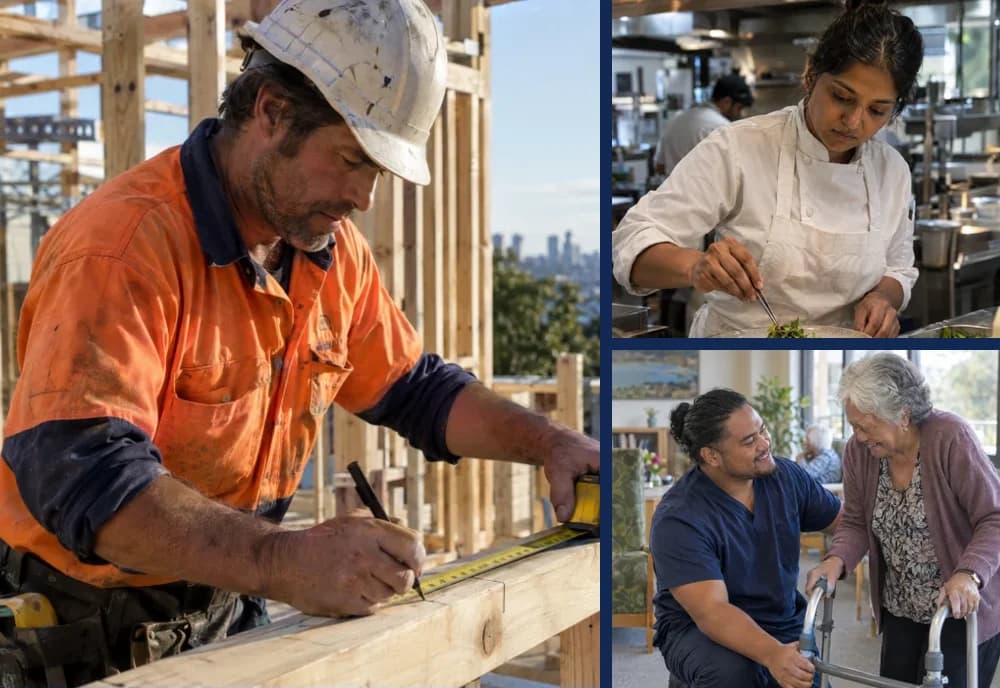
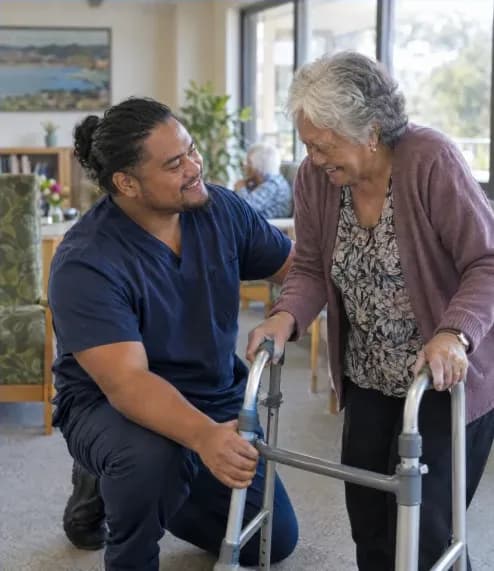
A carpenter marking timber framing on a building site, a chef plating a dish in a commercial kitchen, and an aged care worker helping a resident with her walking frame
Recognition of Prior Learning

What is an RPL qualification?

Recognition of Prior Learning assesses skills you already have against a nationally recognised qualification. Demonstrate competency, and you receive the same nationally recognised qualification, issued by a registered training organisation (RTO), as someone who completed the full course.

Who is eligible for RPL?

  • You have years of experience in your field
  • You learned the work on the job, through mentoring or on your own
  • You need the qualification for licensing, promotion or migration
  • You hold overseas qualifications you want recognised in Australia

About this qualification

Certificate III in Automotive Body Repair Technology (AUR32120) through RPL

What the qualification covers

This qualification reflects the role of individuals who perform a broad range of tasks when repairing and maintaining the body of cars, heavy vehicles and other vehicles in the automotive service and repair sector. 

Units of competency (70)

Core units

  • AURAEA002 Follow environmental and sustainability best practice in an automotive workplace
  • AURAFA108 Interpret and apply automotive repair instructions
  • AURASA102 Follow safe working practices in an automotive workplace
  • AURETR042 Remove, refit and operate electrical components following body repair activities
  • AURETR125 Test, charge and replace batteries and jump-start vehicles
  • AURTTK102 Use and maintain tools and equipment in an automotive workplace
  • AURTTY001 Repair vehicle chassis, frame and associated components
  • AURVTN003 Remove and store vehicle body components
  • AURVTN022 Repair vehicle body misalignment
  • AURVTN104 Remove, replace and align bolt-on vehicle body panels and components
  • AURVTN116 Repair vehicle body panels using filler
  • AURVTN120 Remove and replace major welded panels on vehicles
  • AURVTN123 Repair adhesive bonded structural damage on vehicles
  • AURVTN132 Inspect vehicle damage and determine repair procedures
  • AURVTN135 Apply original equipment manufacturer repair procedures during vehicle repairs
  • AURVTW103 Carry out advanced gas metal arc welding on vehicle body sections
  • AURVTW105 Carry out spot welding

Elective units

  • AUMABA012 Operate load shifting equipment
  • AUMGTY002 Install vehicle components
  • AURAFA002 Read and respond to automotive workplace information
  • AURAFA104 Resolve routine problems in an automotive workplace
  • AURAMA001 Work effectively with others in an automotive workplace
  • AURETH011 Depower and reinitialise hybrid electric vehicles
  • AURETH017 Work safely with hydrogen in the automotive industry
  • AURETH101 Depower and reinitialise battery electric vehicles
  • AURETR149 Apply knowledge of ADAS technology in vehicle pre-repair scans
  • AURTTA020 Apply heat induction processes
  • AURTTW001 Carry out soft soldering techniques
  • AURVTA001 Prepare vehicles for customer use
  • AURVTA002 Remove and replace vehicle supplementary restraint systems
  • AURVTN005 Remove and replace adhesive attached components on vehicles
  • AURVTN006 Remove and replace mechanical units during vehicle repair
  • AURVTN017 Repair vehicle thermoplastic body panels and components
  • AURVTN018 Repair and replace vehicle structural damage
  • AURVTN021 Repair vehicle body components using lead wiping
  • AURVTN025 Repair corroded vehicle body panels and components
  • AURVTN029 Set up and operate universal vehicle measuring systems
  • AURVTN030 Service air compressors and air lines
  • AURVTN031 Carry out vehicle sectional repairs
  • AURVTN102 Carry out non-structural vehicle panel repairs
  • AURVTN112 Install vehicle sunroofs
  • AURVTN113 Carry out paint-less dent repairs on vehicle body panels
  • AURVTN115 Repair vehicle body panels using metal finishing
  • AURVTN119 Repair vehicle structural damage by riveting
  • AURVTN126 Repair vehicle aluminium body panels without the use of body filler
  • AURVTN127 Repair vehicle aluminium body panels using filler
  • AURVTN128 Identify and repair high strength steel vehicle components
  • AURVTN133 Service and repair air compressors and components
  • AURVTN143 Identify and repair high strength aluminium components
  • AURVTP005 Apply rust prevention and sound deadening materials to vehicle body components
  • AURVTP113 Prepare vehicle substrates for refinishing
  • AURVTS001 Fabricate wooden components for vehicles
  • AURVTS006 Fabricate automotive and marine trim components
  • AURVTS103 Fabricate vehicle composite material components
  • AURVTS104 Repair vehicle composite material components
  • AURVTS105 Fabricate vehicle body panels and components
  • AURVTT009 Remove and replace vehicle and vessel seats and fittings
  • AURVTT121 Select and apply adhesives in automotive and marine service and repair work
  • AURVTV001 Remove, replace and test non-electrical vehicle components and accessories
  • AURVTW007 Carry out oxyacetylene thermal heating and cutting on vehicle body sections
  • AURVTW104 Carry out tungsten inert gas welding
  • BSBWHS332X Apply infection prevention and control procedures to own work activities
  • MEM05004 Perform routine oxy fuel gas welding
  • MEM11011 Undertake manual handling
  • MEM13015 Work safely and effectively in manufacturing and engineering
  • MEM16006 Organise and communicate information
  • MEM18001 Use hand tools
  • MEM24001B Perform basic penetrant testing
  • RIIWHS204D Work safely at heights
  • TAEDEL301 Provide work skill instruction
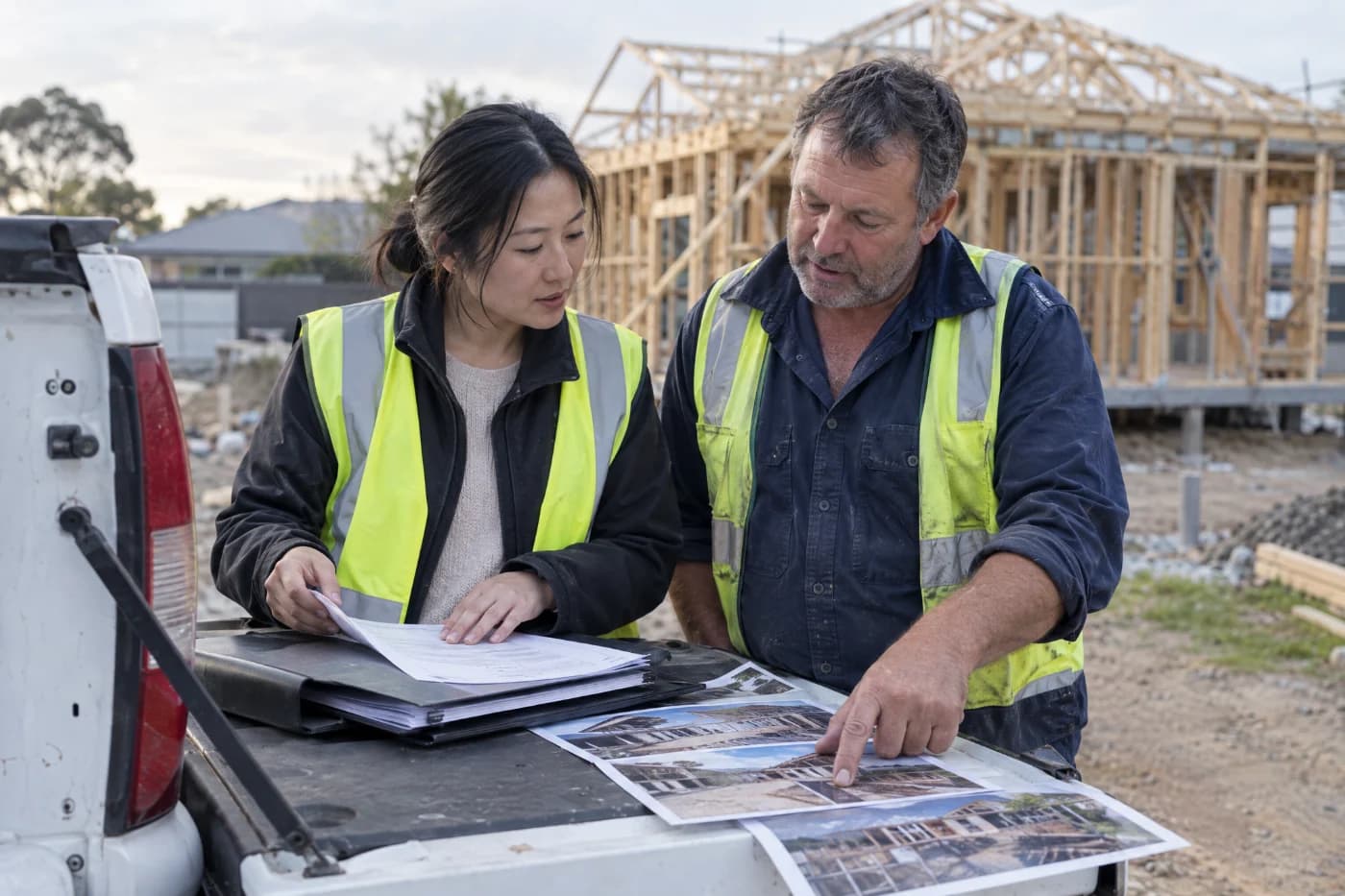
An RPL it team member sorting an electrician's job photos and reference letter into his evidence folder at a ute tailgate on a building site

How RPL works in four steps

  1. Free Skills Review

    Tell us about your work experience. We’ll match it to valid qualifications.

  2. Build your evidence

    Your account manager helps you gather your required evidence for your RTO.

  3. RTO assessment

    Your evidence portfolio is submitted to our partner RTO. A qualified assessor evaluates your competency.

  4. Get your qualification

    Once assessed as competent, the RTO issues your nationally recognised qualification.

Career Outcomes

Explore Roles Associated with this Qualification

If your current or past work looks like one of these roles, this qualification may suit you.

  • 01

    Panelbeater

    Repairing damaged metal, plastic, and fibreglass bodywork to restore vehicles to their original factory standards.

  • 02

    Vehicle Body Restoration Technician

    Applying specialised fabrication and repair techniques to restore vintage or corroded vehicle components.

  • 03

    Heavy Vehicle Body Repairer

    Managing structural and chassis repairs specifically for commercial trucks, buses, and heavy transport vehicles.

Evidence Checklist

What Suitable Evidence Can Support Your Evidence Portfolio?

Your consultant can help you identify relevant workplace records. The delivering RTO decides whether the evidence is sufficient and current.

Work History & Roles
  • Current and detailed CV outlining your experience in body repair or restoration
  • Position descriptions showing responsibilities in panel beating or chassis repair
  • References or letters from employers confirming your technical proficiency

Structural & Panel Repair
  • Photos or videos of major panel replacements and structural alignments
  • Records of adhesive bonding and mechanical fastener applications
  • Job cards detailing the removal and refitting of vehicle body components

Welding & Fabrication
  • Documentation of advanced gas metal arc welding (GMAW) on body sections
  • Evidence of spot welding and metal finishing techniques
  • Records of chassis and frame repairs involving thermal heating or cutting

Diagnostics & Compliance
  • Damage inspection reports and repair procedure determinations
  • Evidence of applying Original Equipment Manufacturer (OEM) repair standards
  • Workplace safety audits and environmental best practice logs

Specialised Techniques
  • Records of thermoplastic body panel repairs or aluminium finishing
  • Documentation of vehicle restoration projects or heavy vehicle chassis work
  • Evidence of testing and replacing electrical components or batteries

Certifications & Training
  • Manufacturer-specific training certificates for body repair technologies
  • Workplace Health and Safety (WHS) certificates or induction records
  • Any previous automotive units of competency or related trade qualifications

Qualification comparison

RPL and Traditional Study

Two routes to the same qualification, assessed against the same RTO competency standards.

RPL PathwaySupported by RPL it, assessed by the RTO
Traditional StudyDelivered and assessed by the RTO
Starting point
Your existing, current workplace skills and evidence
A planned course of learning and assessment
How competency is shown
Workplace evidence mapped to the qualification requirements
Learning activities, assignments, practical work, and assessment
Assessment decision
Made by a qualified assessor from the delivering RTO
If gaps are identified
Additional evidence or targeted gap training may be required
Learning and assessment continue through the course structure
Qualification outcome
Issued only when the RTO determines all requirements are met

RPL it Australia reviews

What our clients say

Selected Google reviews. Individual experiences vary. Every applicant is assessed against the same requirements, and some require gap training or additional evidence.

Frequently asked questions

Recognition of Prior Learning, your experience, and your next step.

Got more questions?
How do I get started with RPL for this qualification?

The process begins with a free skills review where we assess your panel beating and body repair experience. From there, you will compile a portfolio of evidence, such as work photos and references, which is then assessed by one of our partner RTOs for formal certification.

Is an RPL qualification the same as one from full-time study?

Yes, a qualification obtained through Recognition of Prior Learning (RPL) is identical to one earned through traditional study. It is nationally recognised and carries the same weight with employers and industry bodies across Australia.

How long does the process typically take?

Most candidates complete their RPL process within 4 to 6 weeks once their evidence portfolio has been submitted to the RTO. The timeline depends on how quickly you can gather your documentation and work history.

What kind of evidence do I need to provide for body repair?

Evidence typically includes photos or videos of your repair work, job cards, employer references, and proof of your ability to use industry-standard tools for metal, plastic, and fibreglass bodywork.

Can I apply for RPL if I have experience in heavy vehicle body repair?

Yes, this qualification covers a broad range of tasks for repairing and maintaining the body of cars, heavy vehicles, and other transport vehicles. Your experience in heavy vehicle restoration is highly relevant for the RPL process.

Do I need to be currently employed as a panelbeater?

While current employment is helpful for providing recent evidence, we can also assess your skills based on your past experience and portfolio of previous automotive body repair projects.

How long does the RPL process take?

Most candidates who submit a complete evidence portfolio receive their qualification within 4 to 6 weeks from RTO assessment. The total timeline depends on evidence readiness. Strong documentation can help the process move quickly, while evidence gaps or gap training may take longer.

Is an RPL qualification the same as one from TAFE?

Yes. An RPL qualification is issued under the Australian Qualifications Framework, the same framework that governs qualifications from TAFE colleges and all other Registered Training Organisations. It carries the same national recognition. Licensing requirements vary, so check with the relevant authority.

How much does RPL cost?

RPL costs vary by qualification level, complexity, and number of units. Because RPL assesses what you already know rather than teaching new content, it is typically less expensive than full enrolment. Contact our team for a tailored quote. Payment plans are interest-free with no establishment fee, and the instalment schedule and any extension fee that could apply are set out in your quote.

What evidence do I need for RPL?

Evidence can include your resume, reference letters from employers, photos or videos of your work, previous qualifications and certificates, job descriptions, and any other documentation that demonstrates your skills and knowledge. The RTO tells you exactly what evidence it needs for your specific qualification, and your RPL it consultant helps you put it together.

Can I get credit for units I have already completed?

Yes, if you hold a qualification or Statement of Attainment that includes units equivalent to units in this qualification. This is called credit transfer. The delivering RTO checks your AQF certification documents or authenticated VET transcript. Where a unit is equivalent and your certification is authenticated, the RTO must grant credit for it. It can refuse only on limited grounds, for example where a licensing or regulatory requirement calls for reassessment.

Delivering RTO · 1 partner RTOs

Assessed and issued by a partner RTO

Your delivering RTO is confirmed before enrolment. Check any RTO’s registration on training.gov.au.