8 Years Fixing Pipes in Canberra — Why Your Experience Doesn't Count Without the Paper
You've been plumbing for years in Canberra. So why does the ACT say your experience doesn't count? Here's why the system works this way — and how RPL changes it.
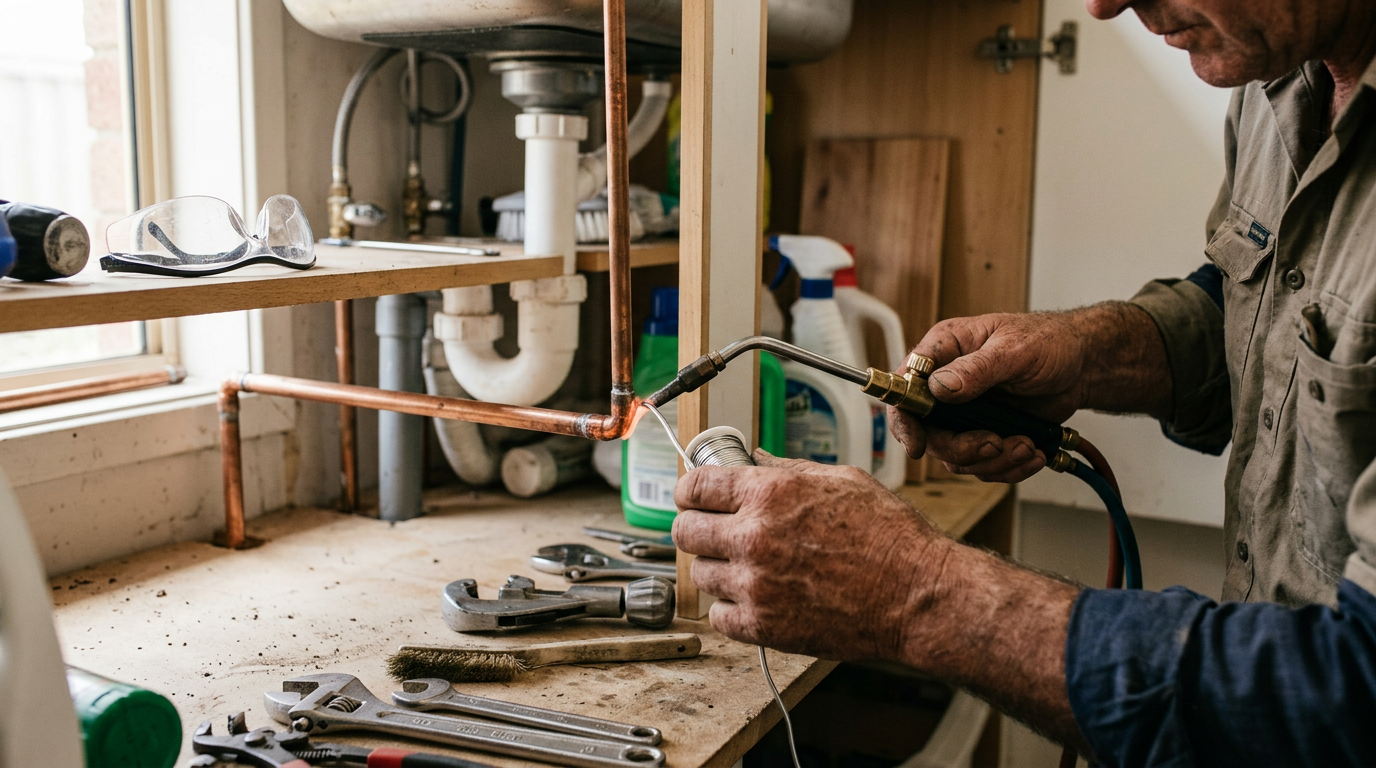
You Know the Work. The System Doesn't Know You.
You've fixed hundreds of pipes. You know the difference between a rough-in that will hold and one that won't. You've worked through Canberra's winters, squeezed into tight ceiling spaces, dealt with builders who needed the job done yesterday. You've been doing this for eight years — maybe more.
And now someone is telling you that none of it counts.
Not because your work is poor. Not because you've made mistakes. But because the formal licensing system has no record of you. In its eyes, your years of practical experience are invisible — and invisible expertise is no expertise at all.
That frustration is legitimate. It deserves to be named before anything else is said. You are not imagining it. The system genuinely cannot see what you know — and that is a structural problem, not a personal one.
Why the ACT requires a formal plumbing licence
The ACT requires plumbers to hold a formal licence before they can legally carry out plumbing work. This is not a bureaucratic quirk unique to Canberra — it reflects a national framework that treats plumbing as a licensed trade because the consequences of poor plumbing work can be serious: contaminated water supplies, gas leaks, structural water damage, and public health risks that extend well beyond the individual job.
The licence is the system's way of verifying that the person doing the work meets a nationally recognised standard. Without it, there is no formal record that the work was carried out by someone whose competency has been assessed. That matters for consumers, for insurers, and for the integrity of the built environment.
This is not about doubting your skill. It is about the system having no other way to verify it. The licence does not create competency — it recognises it. And right now, the system has nothing to recognise you by.
The problem isn't your skill. It's the form your skill is in.
Here is the honest diagnosis: your skill is real. The problem is that it exists in the wrong form for formal recognition.
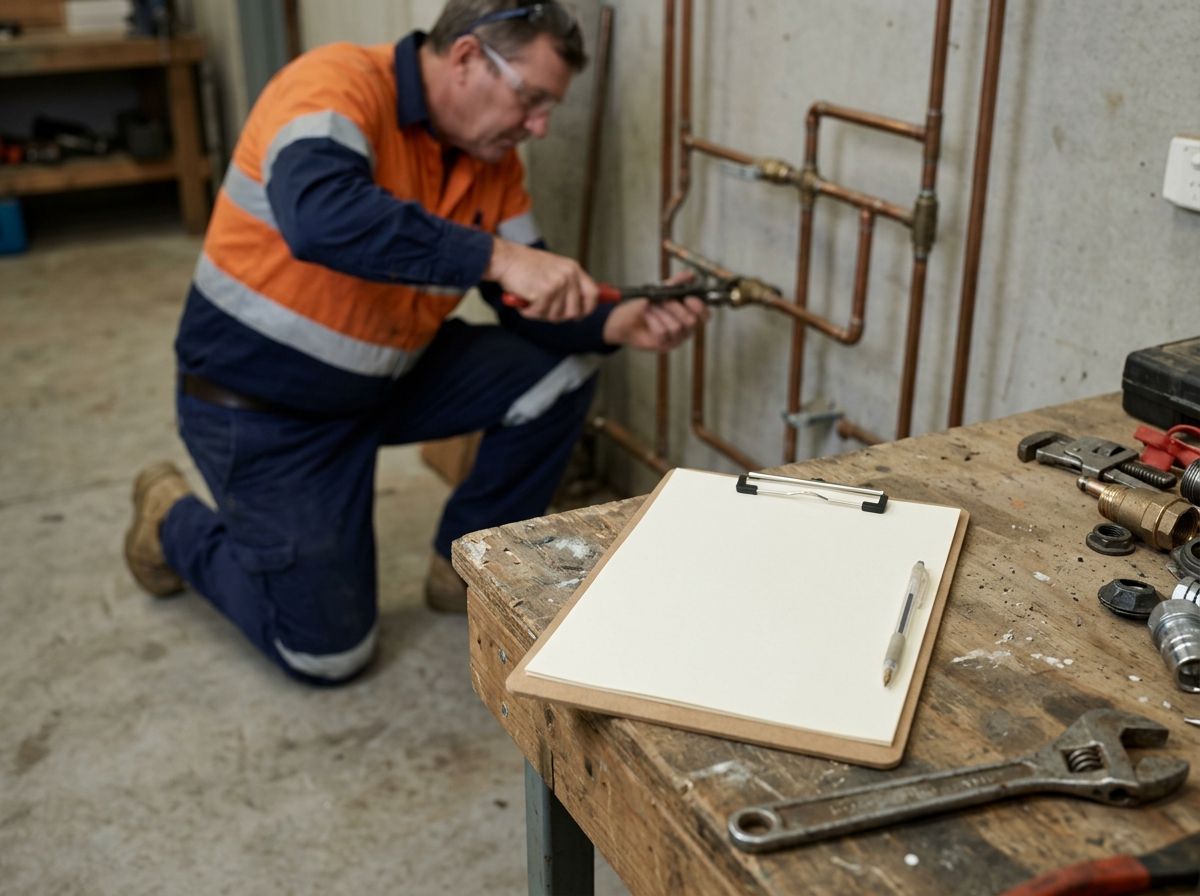
Your competency lives in your hands, your memory, your job history, your instincts built over years of real work. It does not live in a certificate. And the formal licensing system — like most formal systems — can only read what has been formally assessed and recorded.
This is not a judgment on the quality of your work. It is a structural limitation. The system is not designed to look at a plumber and say 'clearly this person knows what they're doing.' It is designed to look at a credential and say 'this person's competency has been assessed against a national standard.' Without that credential, the system has nothing to read.
Your skill is real. The problem is that it's invisible to a system that can only read certificates. That is a translation problem — and translation problems have solutions.
What RPL actually does — and why it's different from going back to study
Recognition of Prior Learning — RPL — is an assessment process that evaluates your existing skills and experience against the units of competency in a nationally recognised qualification. It does not ask you to re-learn what you already know. It asks you to demonstrate that you know it.
That distinction matters. Going back to study means starting from the beginning — sitting through content you already understand, completing assessments designed for people who are learning the trade for the first time. RPL starts from where you are. The assessor is not teaching you; they are assessing you.
The assessment is conducted by a qualified assessor from a registered training organisation (RTO). They review the evidence you provide, may conduct a practical assessment, and make an independent professional judgment about whether your existing competency meets the required standard. RPL it guides you through that process — from gathering your evidence to understanding what the assessor needs to see. The qualification, if awarded, comes from the RTO.
This is recognition, not repetition. It is a rigorous process — not a rubber stamp — but it is designed for people who already have the skill. That is exactly the situation you are in.
What 'demonstrating competency' looks like for an experienced plumber
An experienced plumber does not walk into an RPL assessment empty-handed. You have years of evidence — you just may not have thought of it that way.
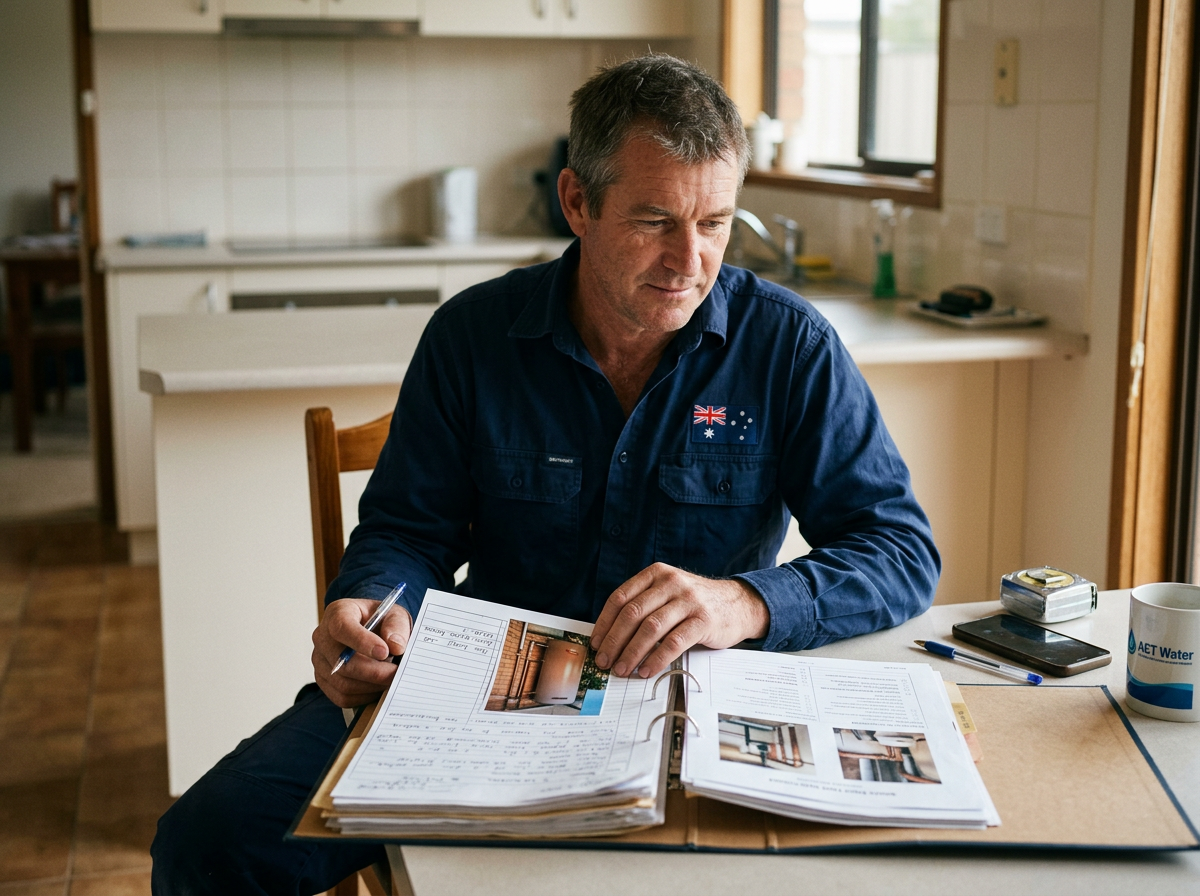
Evidence in an RPL assessment can take many forms. Employer references from builders or contractors you have worked with. Records of jobs completed — addresses, scope of work, dates. Photographs of installations you have carried out. Logbooks or site diaries if you have kept them. References from colleagues or supervisors who can speak to the quality and scope of your work. In some cases, a practical demonstration where the assessor observes you working.
- Employer or supervisor references that describe the scope and quality of your work
- Records of completed jobs — addresses, dates, scope of work
- Photographs of installations, fit-outs, or repairs you have carried out
- Logbooks or site diaries documenting your work history
- Third-party reports from builders, project managers, or clients
- Practical demonstration observed by the assessor
The assessor is looking for evidence that you can perform the required competencies — not evidence that you studied them. If you have been doing this work for years, you have been building that evidence every day. The RPL process is about gathering it, organising it, and presenting it in a form the assessor can evaluate.
That is what RPL it guides you through. We help you see your work history as evidence — and present it in a way that gives the assessor what they need.
The honest part: what RPL involves and what it doesn't guarantee
RPL is a genuine assessment. The assessor makes an independent professional judgment. We cannot predict the outcome, and we will not pretend otherwise.
If the assessor identifies gaps — areas where your evidence does not fully demonstrate the required competency — gap training may be required. Gap training addresses specific areas, not the whole qualification. It is targeted, not a full course. But it is a real possibility, and you deserve to know that before you begin.
The qualification is nationally recognised precisely because the assessment is genuine. A credential awarded without rigorous assessment is worth very little. The rigour is what makes it meaningful — and what makes it recognised by licensing authorities, employers, and insurers.
If you have been doing this work for years, you have the evidence. The assessment is not something to fear — it is the mechanism that makes your experience visible. We help you present it.
Your work deserves to be counted
Eight years fixing pipes in Canberra. Hundreds of jobs. Skills built through real work, in real conditions, for real clients. That experience is not nothing — it is exactly what the plumbing trade needs.
The licensing system is not designed to dismiss your experience. It is designed to verify competency — and RPL is the pathway that allows it to verify yours. Not by asking you to start over. By asking you to show what you already know.
Your experience is real. The pathway exists. The decision is yours.
The ACT plumbing trade licence pathway is the formal destination — RPL through Certificate III in Plumbing is how experienced plumbers without formal credentials can reach it.
Ready to Get Recognised?
Start with a free skills review to find out if RPL is right for you.