Start My Skills Review
Register interest

Certificate IV in Aboriginal and/or Torres Strait Islander Primary Health Care Practice

This qualification reflects the role of Aboriginal and Torres Strait Islander health practitioners.

Register your interest and we will email you if this qualification opens through a delivering RTO.

Qualification overview
HLT40221
LevelAQF 4Certificate IV
Units1914 core, 5 elective
PackageHLTHealth
AvailabilityNot yet available through RPL it. No delivering RTO, fee or timeline is confirmed yet. Registering interest is not an enrolment and does not guarantee future availability.
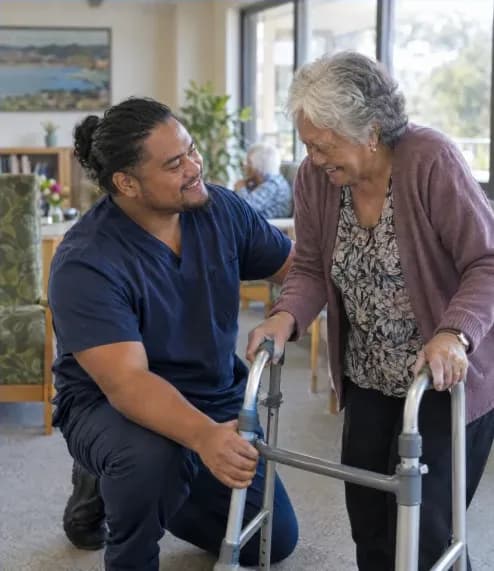
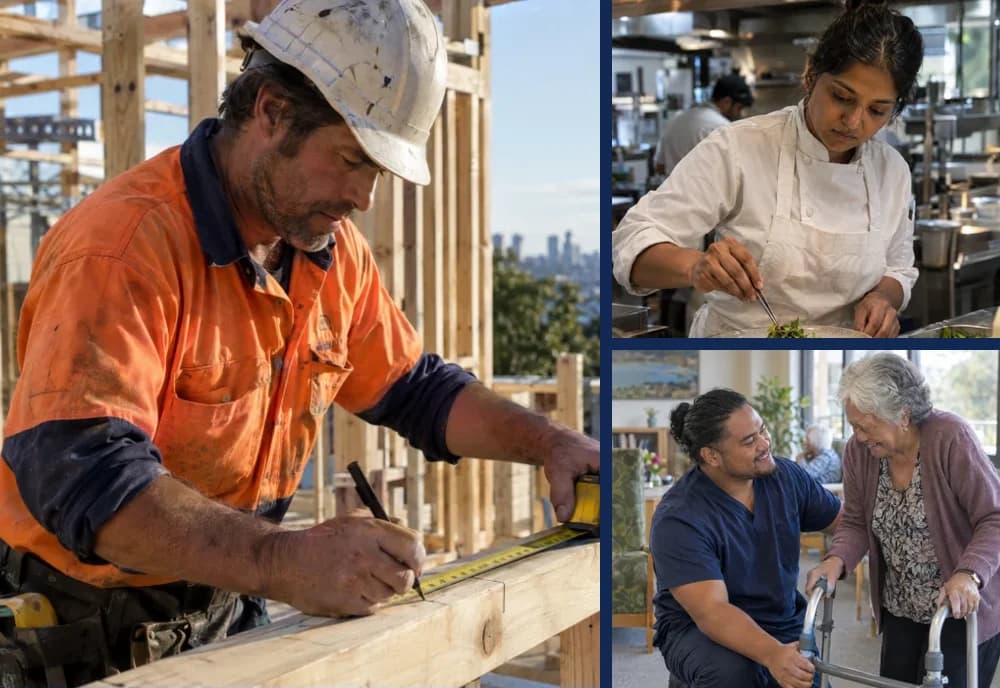
A carpenter marking timber framing on a building site, a chef plating a dish in a commercial kitchen, and an aged care worker helping a resident with her walking frame
Recognition of Prior Learning

What is an RPL qualification?

Recognition of Prior Learning assesses skills you already have against a nationally recognised qualification. Demonstrate competency, and you receive the same nationally recognised qualification, issued by a registered training organisation (RTO), as someone who completed the full course.

Who is eligible for RPL?

  • You have years of experience in your field
  • You learned the work on the job, through mentoring or on your own
  • You need the qualification for licensing, promotion or migration
  • You hold overseas qualifications you want recognised in Australia

About this qualification

Certificate IV in Aboriginal and/or Torres Strait Islander Primary Health Care Practice (HLT40221) through RPL

What the qualification covers

This qualification reflects the role of Aboriginal and Torres Strait Islander health practitioners. It is specific to Aboriginal and/or Torres Strait Islander people who work as part of a multidisciplinary health care team providing primary health care services to Aboriginal and/or Torres Strait Islander clients and communities.They provide culturally safe health and wellbeing promotion, preventative health care and clinical treatment services in a diversity of locations including urban, rural and remote settings.Aboriginal and Torres Strait Islander health practitioners use initiative and judgement within the parameters of practice standards, treatment protocols and clinical supervision arrangements established by the employing organisation.This qualification provides a pathway to work in a range of health care settings including Aboriginal and/or Torres Strait Islander community organisations, and the public or private health sector. 
Licensing

Practising as an Aboriginal and/or Torres Strait Islander Health Practitioner is a regulated profession in Australia. While this qualification is a key requirement for registration, please note that the qualification alone does not grant the right to practice under the protected title.

  • NSW: Aboriginal and Torres Strait Islander Health Practice Board of Australia (AHPRA)
  • VIC: Aboriginal and Torres Strait Islander Health Practice Board of Australia (AHPRA)
  • QLD: Aboriginal and Torres Strait Islander Health Practice Board of Australia (AHPRA)
  • WA: Aboriginal and Torres Strait Islander Health Practice Board of Australia (AHPRA)
  • SA: Aboriginal and Torres Strait Islander Health Practice Board of Australia (AHPRA)
  • TAS: Aboriginal and Torres Strait Islander Health Practice Board of Australia (AHPRA)
  • NT: Aboriginal and Torres Strait Islander Health Practice Board of Australia (AHPRA)
  • ACT: Aboriginal and Torres Strait Islander Health Practice Board of Australia (AHPRA)

Licensing decisions are made by the regulator, not by RPL it Australia or the RTO.

Units of competency (72)

Core units

  • CHCCOM002 Use communication to build relationships
  • CHCLEG001 Work legally and ethically
  • HLTAADV002 Support the rights and needs of clients
  • HLTAHCS004 Complete comprehensive physical health assessments
  • HLTAHCS006 Implement complex health care plans
  • HLTAHPR007 Promote lifestyle change
  • HLTAMED002 Support the safe use of medications
  • HLTAMED003 Administer medications
  • HLTASEW002 Assess and support the social and emotional wellbeing of clients
  • HLTAWOR002 Work in Aboriginal and/or Torres Strait Islander primary health care
  • HLTAWOR003 Use and promote reflective practice in Aboriginal and/or Torres Strait Islander primary health care
  • HLTAWOR004 Provide support to address social and cultural determinants of client and community health
  • HLTINF006 Apply basic principles and practices of infection prevention and control
  • HLTWHS001 Participate in workplace health and safety

Elective units

  • CHCAGE011 Provide support to people living with dementia
  • CHCAOD004 Assess needs of clients with alcohol and other drugs issues
  • CHCAOD005 Provide alcohol and other drugs withdrawal services
  • CHCCCS003 Increase the safety of individuals at risk of suicide
  • CHCCCS014 Provide brief interventions
  • CHCCCS019 Recognise and respond to crisis situations
  • CHCCCS020 Respond effectively to behaviours of concern
  • CHCCOM005 Communicate and work in health or community services
  • CHCDFV001 Recognise and respond appropriately to domestic and family violence
  • CHCDFV002 Provide support to children affected by domestic and family violence
  • CHCDFV003 Promote community awareness of domestic and family violence
  • CHCDIS019 Provide person-centred services to people with disability with complex needs
  • CHCFAM010 Provide intervention support to families
  • CHCPAL003 Deliver care services using a palliative approach
  • CHCPAL004 Contribute to planning and implementation of care services using a palliative approach
  • CHCPRT025 Identify and report children and young people at risk
  • HLTAADV003 Support the rights and needs of clients in the justice system
  • HLTADM008 Administer and coordinate Telehealth services
  • HLTAEDR002 Assess and respond to medical emergencies
  • HLTAHCS003 Complete routine physical health assessments
  • HLTAHCS007 Provide support to men with cancer
  • HLTAHCS008 Provide support to women with cancer
  • HLTAHCS009 Provide support to clients with diabetes
  • HLTAHCS010 Provide support to clients with chronic disease
  • HLTAHCS011 Provide support to clients experiencing alcohol and other drugs problems
  • HLTAHCS012 Provide support to older clients
  • HLTAHCS013 Provide eye health care
  • HLTAHCS014 Provide ear health care
  • HLTAHCS015 Facilitate access to tertiary health services
  • HLTAHPR002 Promote awareness and early detection of cancer to men
  • HLTAHPR003 Promote awareness and early detection of cancer to women
  • HLTAHPR004 Promote awareness and early detection of diabetes
  • HLTAHPR005 Promote awareness and prevention of chronic disease
  • HLTAID011 Provide First Aid
  • HLTAID013 Provide First Aid in remote or isolated site
  • HLTAMAT001 Provide antenatal health care
  • HLTAMAT004 Assess children's health
  • HLTAMAT005 Provide health care for children
  • HLTASEW001 Work according to the principles of social and emotional wellbeing care
  • HLTASEW003 Provide support to clients affected by loss, grief or trauma
  • HLTASXH001 Promote men's sexual health
  • HLTASXH002 Promote women's sexual health
  • HLTAUD007 Conduct basic audiometric testing
  • HLTAUD008 Conduct audiometric testing
  • HLTAUD009 Conduct audiometric screening for young school age children
  • HLTOHC007 Recognise and respond to oral health issues
  • HLTOHC008 Inform and support patients and groups about oral health
  • HLTOHC009 Apply and use basic oral health products
  • HLTOHC010 Use basic oral health screening tools
  • HLTOHC011 Apply fluoride varnish
  • HLTPAT008 Identify and respond to clinical risks in pathology collection
  • HLTPAT009 Collect pathology specimens other than blood
  • HLTPAT014 Perform venous blood collections
  • HLTPOP015 Provide information on smoking and smoking cessation
  • HLTPOP016 Provide interventions to clients who are nicotine dependent
  • HLTPOP030 Determine and implement disease prevention and control measures
  • HLTPOP031 Provide information and support on environmental health issues
  • HLTWHS006 Manage personal stressors in the work environment
An RPL it team member sorting an electrician's job photos and reference letter into his evidence folder at a ute tailgate on a building site

If This Qualification Opens Through an RTO

  1. Register interest

    Tell us you are interested in HLT40221. There is no commitment or obligation.

  2. Availability confirmed

    We contact you when a suitable delivering RTO and current servicing details are confirmed.

  3. Evidence planning

    If you choose to proceed, we help you understand the workplace evidence an RTO may need to review.

  4. RTO assessment

    Formal assessment and any qualification outcome are handled only by the delivering Registered Training Organisation.

Career Outcomes

Explore Roles Associated with this Qualification

If your current or past work looks like one of these roles, this qualification may suit you.

  • 01

    Aboriginal Health Practitioner

    Delivering clinical treatment and preventative health care within a multidisciplinary team in urban or remote settings.

  • 02

    Aboriginal Health Worker in Community Health

    Providing primary health services including medication assistance and social and emotional wellbeing programs.

  • 03

    Primary Health Care Coordinator

    Managing community-based health promotion and lifestyle change initiatives for Indigenous clients.

Evidence Checklist

What Suitable Evidence Can Support Your Evidence Portfolio?

Your consultant can help you identify relevant workplace records. The delivering RTO decides whether the evidence is sufficient and current.

Work History & Roles
  • Current and past position descriptions in community health
  • A detailed resume outlining clinical and cultural roles
  • Third-party reports from health service supervisors

Clinical Practice
  • Redacted health care plans and assessment records
  • Evidence of conducting comprehensive physical health assessments
  • Records of clinical treatment services provided under supervision

Medication & Safety
  • Evidence of supporting safe medication use and administration
  • Infection prevention and workplace health and safety logs
  • Records of applying treatment protocols and practice standards

Community & Wellbeing
  • Samples of health promotion and lifestyle change materials
  • Evidence of assessing social and emotional wellbeing
  • Documentation of support for social and cultural determinants of health

Communication & Ethics
  • Evidence of working within multidisciplinary healthcare teams
  • Documentation of client rights advocacy and ethical practice
  • Reflective practice journals or community engagement logs

Qualification comparison

RPL and Traditional Study

Two routes to the same qualification, assessed against the same RTO competency standards.

RPL PathwaySupported by RPL it, assessed by the RTO
Traditional StudyDelivered and assessed by the RTO
Starting point
Your existing, current workplace skills and evidence
A planned course of learning and assessment
How competency is shown
Workplace evidence mapped to the qualification requirements
Learning activities, assignments, practical work, and assessment
Assessment decision
Made by a qualified assessor from the delivering RTO
If gaps are identified
Additional evidence or targeted gap training may be required
Learning and assessment continue through the course structure
Qualification outcome
Issued only when the RTO determines all requirements are met

RPL it Australia reviews

What our clients say

Selected Google reviews. Individual experiences vary. Every applicant is assessed against the same requirements, and some require gap training or additional evidence.

Frequently asked questions

Recognition of Prior Learning, your experience, and your next step.

Got more questions?
Is this qualification currently available for RPL?

We are currently in the process of establishing partnerships with Registered Training Organisations to offer this qualification. By registering your interest, you will be the first to know when the pathway is open for assessment.

Why should I register my interest?

Registering interest helps us demonstrate to our RTO partners that there is a demand for recognition in this field. It ensures we prioritize the resources needed to guide practitioners through the evidence collection process.

Is RPL the same as completing a full course?

Yes. The qualification issued through RPL is the same nationally recognised certificate as one earned through study. The difference lies in how you demonstrate competency—using your existing experience rather than attending classes.

Are there specific cultural requirements for this qualification?

Yes, this qualification is specifically designed for Aboriginal and/or Torres Strait Islander people who are working within their communities to provide culturally safe primary health care.

Will this RPL process provide me with professional registration?

The RPL process focuses on the assessment of your skills for the HLT40221 qualification. Once you have the qualification, you must apply separately to the Aboriginal and Torres Strait Islander Health Practice Board of Australia (AHPRA) for registration.

What if I have clinical experience but no formal documentation?

Our role is to guide you in identifying and gathering evidence. This may include third-party observations, redacted workplace records, and practical demonstrations to show an assessor that your skills meet the national standard.

Can I apply for this qualification now?

Not yet. The Diploma of Conservation and Ecosystem Management is not currently available through RPL it Australia, and no delivering RTO, fee or timeline is confirmed. Registering interest is not an enrolment and does not guarantee future availability.

What happens after I register my interest?

We keep your details and email you if this qualification opens through a delivering RTO. At that point we explain which RTO would assess you, the fee and the evidence it needs, and you decide whether to go ahead. Registering interest is free and there is no obligation.

Can I start preparing evidence now?

You can start keeping records of your work, such as position descriptions, references and examples of projects you have worked on. The evidence checklist on this page gives examples. The delivering RTO decides what evidence it needs and whether it is sufficient, so what you gather now may not cover everything.

Is there a qualification I can apply for now?

Possibly. The related qualifications on this page are open for applications. You can also start a free skills review and we will tell you whether any qualification that is open now suits your experience.